FDA autoriza tercera dosis de vacuna contra covid-19 para niños de 5 a 11 años en EE. UU.
Refuerzo se aplicará al menos cinco meses después de la segunda dosis, CDC todavía debe dar visto bueno a la medida
(FILES) In this file photo taken on September 13, 2021 an elerly patient receives the third dose of the Pfizer-BioNtech Covid-19 vaccine in Paris. - A booster shot of the anti-Covid-19 vaccine developed by Pfizer/BioNTech is 95.6 percent effective against symptomatic infection, according to trial data published by the makers on October 21, 2021. The clinical phase three trial with "10,000 participants 16 years of age and older" showed "a relative vaccine efficacy of 95.6 percent against disease during a period when Delta was the prevalent strain", the companies said in a statement. (Photo by THOMAS COEX / AFP) THOMAS COEX
Este refuerzo se recibiría al menos cinco meses después de la segunda dosis, aunque aún la autorización debe de ser ratificada por el Centro de Control de Enfermedades (CDC, por sus siglas en inglés). Un comité de expertos externos convocado por el CDC discutirá esta posibilidad el jueves.
“Aunque la gran mayoría de casos de covid-19 tienden a ser menos severos en niños que en adultos, en la ola de la variante ómicron se han visto más niños enfermos y hospitalizados. Además, los menores también pueden tener secuelas a largo plazo, incluso si tuvieron una enfermedad leve”, señaló en un comunicado de prensa Rober Califf, comisionado de la FDA.
“La vacunación sigue siendo la forma más efectiva de prevenir la covid-19 y sus consecuencias graves y es segura. Si su hijo es elegible y aún no ha recibido el esquema inicial, vacunarlo puede protegerlo de eventuales consecuencias, como hospitalización y muerte”, añadió.
Peter Marks, director del Centro de Evaluación de Biológicos e Investigación de la FDA complementó: “Desde la autorización de la vacuna para niños en octubre de 2021, nuevos datos sugieren que la efectividad contra covid-19 baja después de la segunda dosis en todas las poblaciones. La FDA ha determinado que los beneficios conocidos y potenciales de un refuerzo para los niños son mayores a los riesgos y pueden dar protección contra las formas graves de la enfermedad en este grupo de edad y en los grupos mayores”.
En este momento, las poblaciones menores de 5 años no tienen un producto autorizado para ellos, aunque ya se evalúan dos biológicos: el preparado por Pfizer y BioNTech (dividido en dos grupos de 6 a 24 meses y de 2 a 5 años) y el de la compañía Moderna para menores de 6 años.
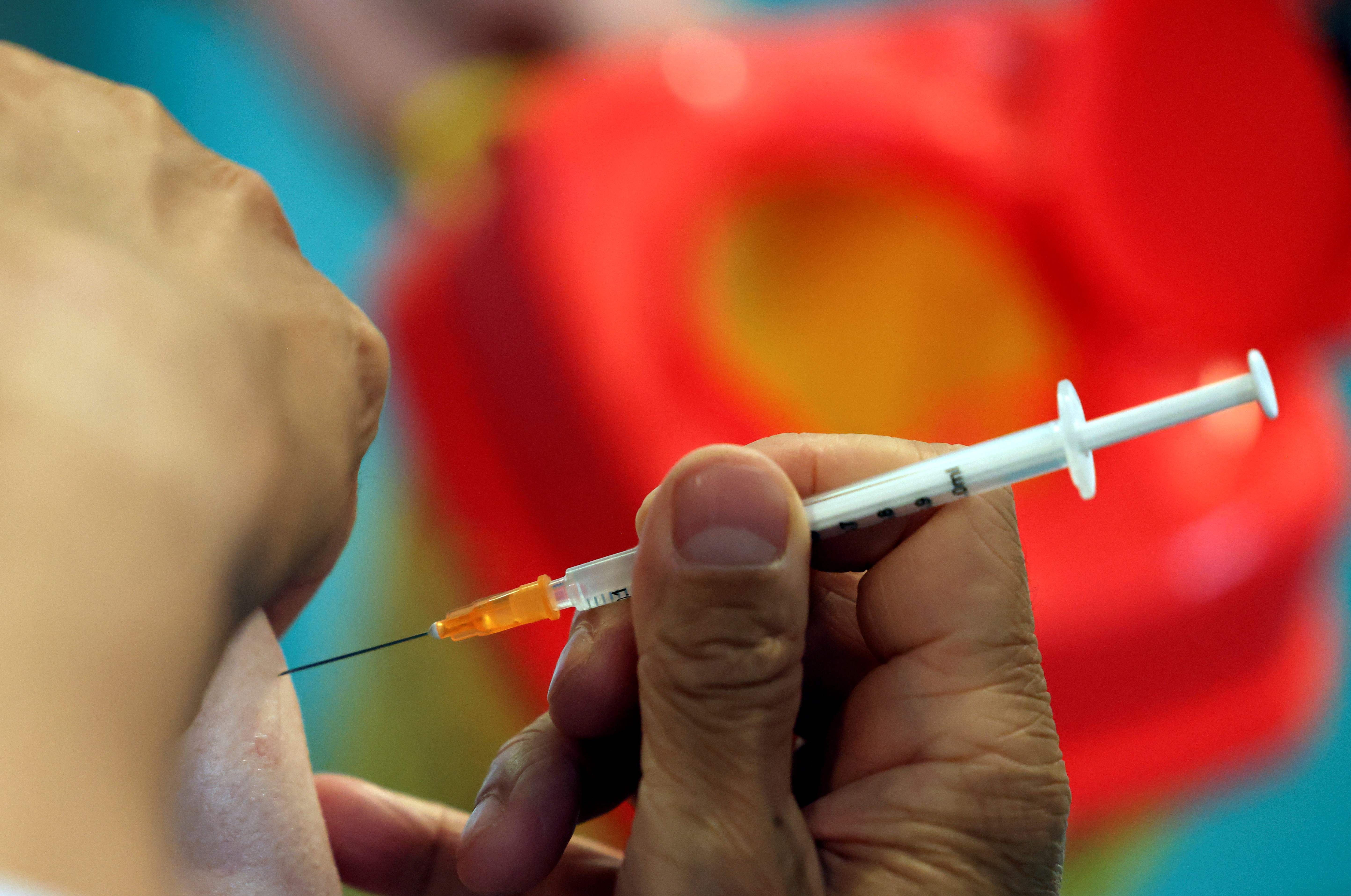
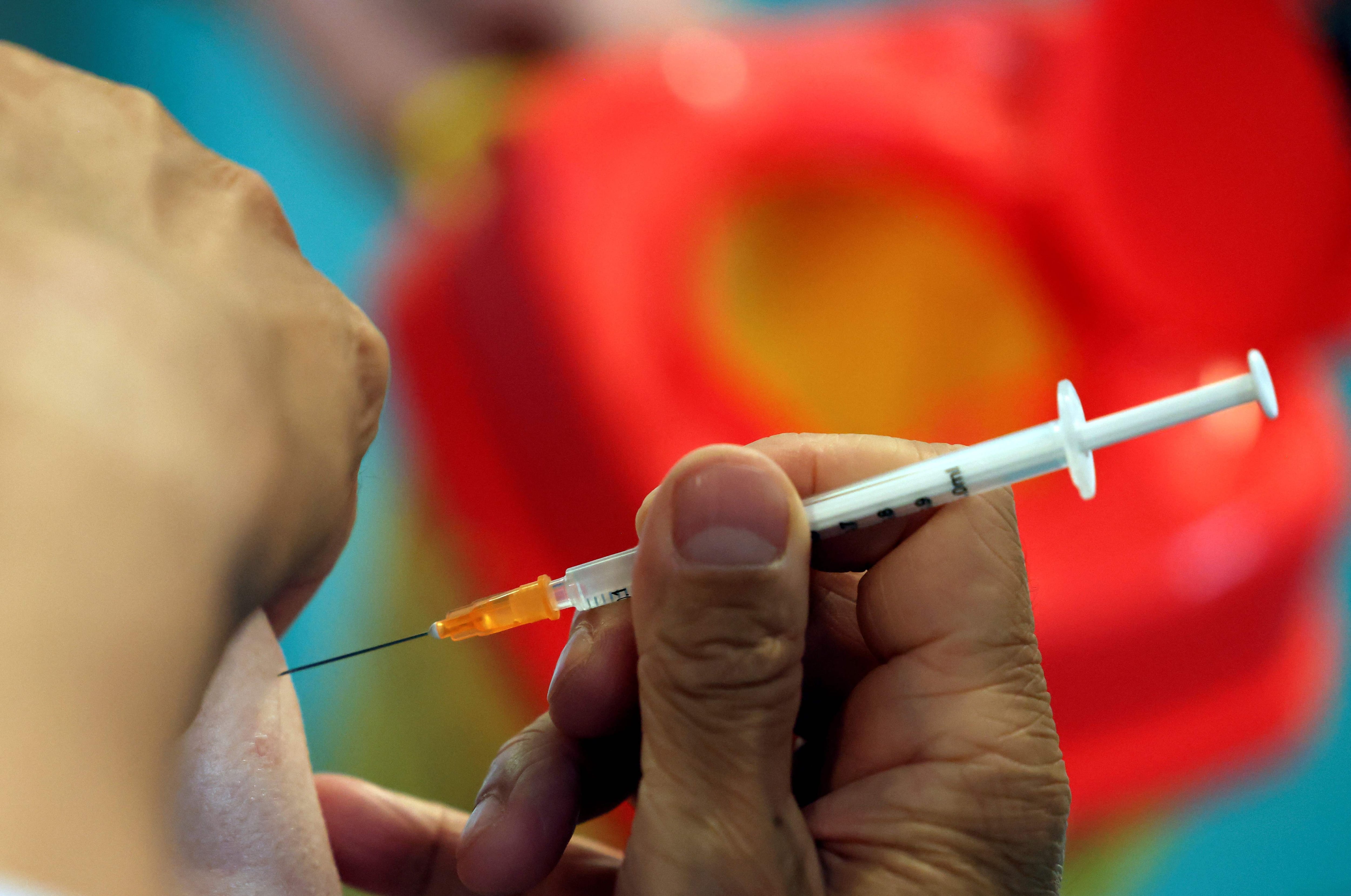
Este grupo de edad podrá recibir esta dosis cinco meses después de la segunda. Todavía no hay un producto para niños menores de cinco años. (THOMAS COEX/AFP)
¿En qué se basó la FDA para tomar esta decisión? Los datos se basaron en el ensayo clínico que motivó la autorización del esquema inicial en octubre pasado. De ellos, una porción de 400 menores recibió una tercera dosis de cinco a nueve meses después de la segunda. Posteriormente se tomó una submuestra de 67 niños que recibieron su booster de siete a nueve meses después de la segunda dosis y se analizaron los niveles de de anticuerpos un mes después de la segunda dosis. Estos habían aumentado.
Los efectos secundarios se analizaron en los 400 menores que recibieron el refuerzo. Los más reportados fueron dolor, enrojecimiento y comezón en el sitio de la inyección, así como fatiga, dolor de cabeza, dolores musculares o de articulaciones, escalofríos y fiebre.
Quienes reciban este refuerzo obtendrán la misma formulación y cantidad de biológico de las dos dosis anteriores.
En Estados Unidos la inoculación para niños podría comenzar la próxima semana. En Costa Rica, sin embargo, el proceso es un poco más largo hasta alcanzar la autorización de la Comisión Nacional de Vacunación y Epidemiología (CNVE). Para ello, antes Pfizer deberá presentar la documentación pertinente, incluidas las autorizaciones por parte de agencias reguladoras.
El esquema pediátrico de covid-19empezó a administrarse en nuestro país el pasado 10 de enero y, según proyecciones actuariales de la Caja Costarricense de Seguro Social (CCSS) está destinado a525.491 habitantes en este rango de edad. El esquema pediátrico consta de dos dosis que se aplican con tres semanas de diferencia entre una y otra.
A este 16 de mayo, el 70,71% de los niños entre 5 y 11 años ya habían recibido al menos una dosis de la vacuna y el 55,19% ya tenía ambas. Todavía quedan pendientes 153.899 personas de esta población(el 29,29%) de comenzar su esquema.
El este 17 de mayo, el Hospital Nacional de Niños reportaba 13 internados con covid-19, de ellos, cuatro estaban en cuidados intensivos.