Remontémonos a 1845.
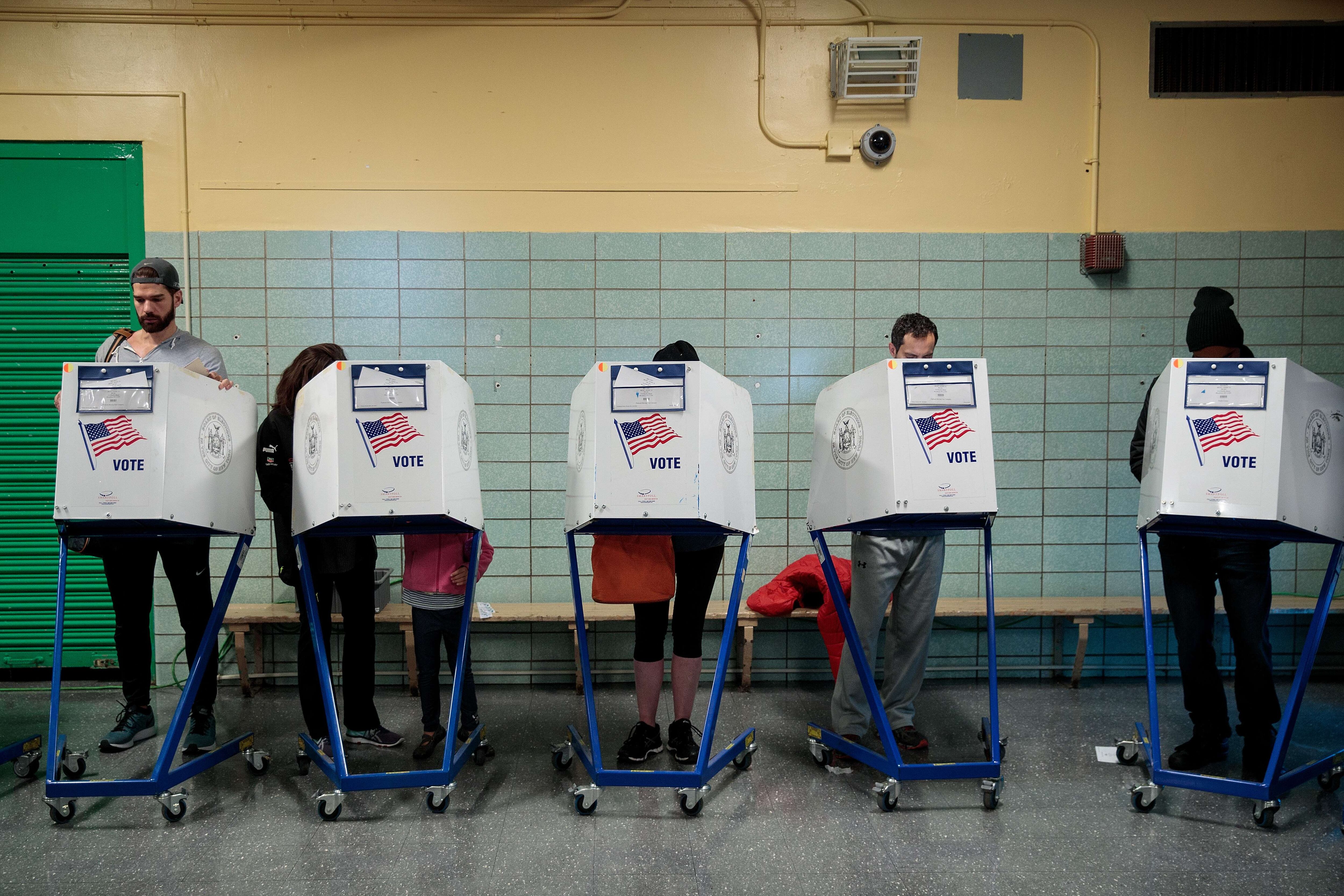
Ese año, el Congreso de Estados Unidos aprobó una ley que estableció cuándo se realizan las elecciones presidenciales y legislativas: el primer martes después del primer lunes de noviembre y rige para todo el territorio del país.
Cualquier cambio de fecha solo el Poder Legislativo federal puede autorizarlo y desde entonces nunca ha ocurrido, ni siquiera cuando Estados Unidos se vio sacudido por situaciones tan extraordinarias como su participación en las dos guerras mundiales.
¿Por qué martes? Los legisladores decidieron que era el mejor día pues así los ciudadanos podían cumplir con sus deberes religiosos (sábado o domingo), viajar el lunes en caballo o carruaje hasta el centro de votación más cercano para sufragar el martes y volver a casa.
¿Y por qué en noviembre? El Estados Unidos de 1845 era un país con una economía principalmente agrícola, por lo cual los periodos de cosecha y recolección de esta eran fundamentales. En noviembre ya el producto estaba recogido y los comicios no distraían a los granjeros.
En este video les cuento sobre esta particularidad del proceso electoral estadounidense.
(Video) ¿Por qué EE. UU. vota martes y en noviembre?