París. El calentamiento global es peor y más rápido de lo temido. Alrededor del 2030, diez años antes de lo estimado, se puede alcanzar el umbral de +1,5 ºC, con riesgos de desastres “sin precedentes” para la humanidad, ya sacudida por canículas e inundaciones.
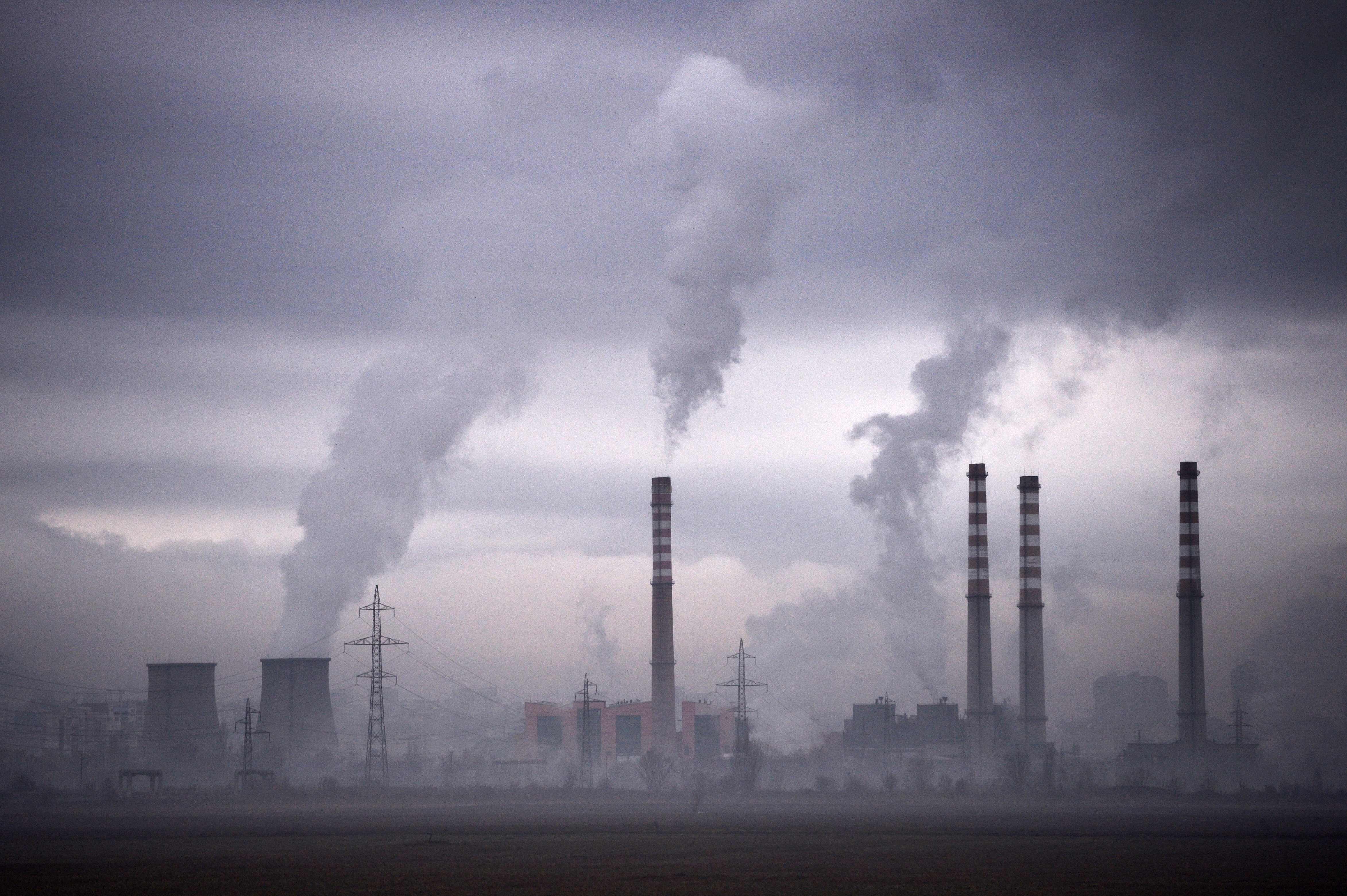
A menos de tres meses de la cumbre del clima COP26 en Glasgow (Reino Unido), los expertos de Naciones Unidas (IPCC) responsabilizaron al ser humano por estas alteraciones y advirtieron de que no hay otra opción que reducir drásticamente las emisiones de gases de efecto invernadero.
El primer informe de evaluación del Grupo Intergubernamental sobre el Cambio Climático en siete años, adoptado el viernes por 195 países, analiza cinco escenarios de emisiones, del más optimista al más pesimista.
En todos ellos, la temperatura del planeta alcanzaría el umbral de +1,5 ºC respecto a la era preindustrial alrededor del 2030, diez años antes de lo previsto en la estimación del 2018.
Antes del 2050, se superaría este umbral, e incluso se llegaría a +2 ºC si no se reducen drásticamente las emisiones.
Esto supondría el fracaso del Acuerdo de París, que pretendía limitar el calentamiento por debajo de los +2 ºC, o de +1,5 ºC si fuera posible.
“Estabilizar el clima precisará de una reducción fuerte, rápida y sostenida de las emisiones de gases de efecto invernadero para alcanzar la neutralidad de carbono”.
— Panmao Zhai, copresidenta del grupo de expertos.
‘La primera salva’
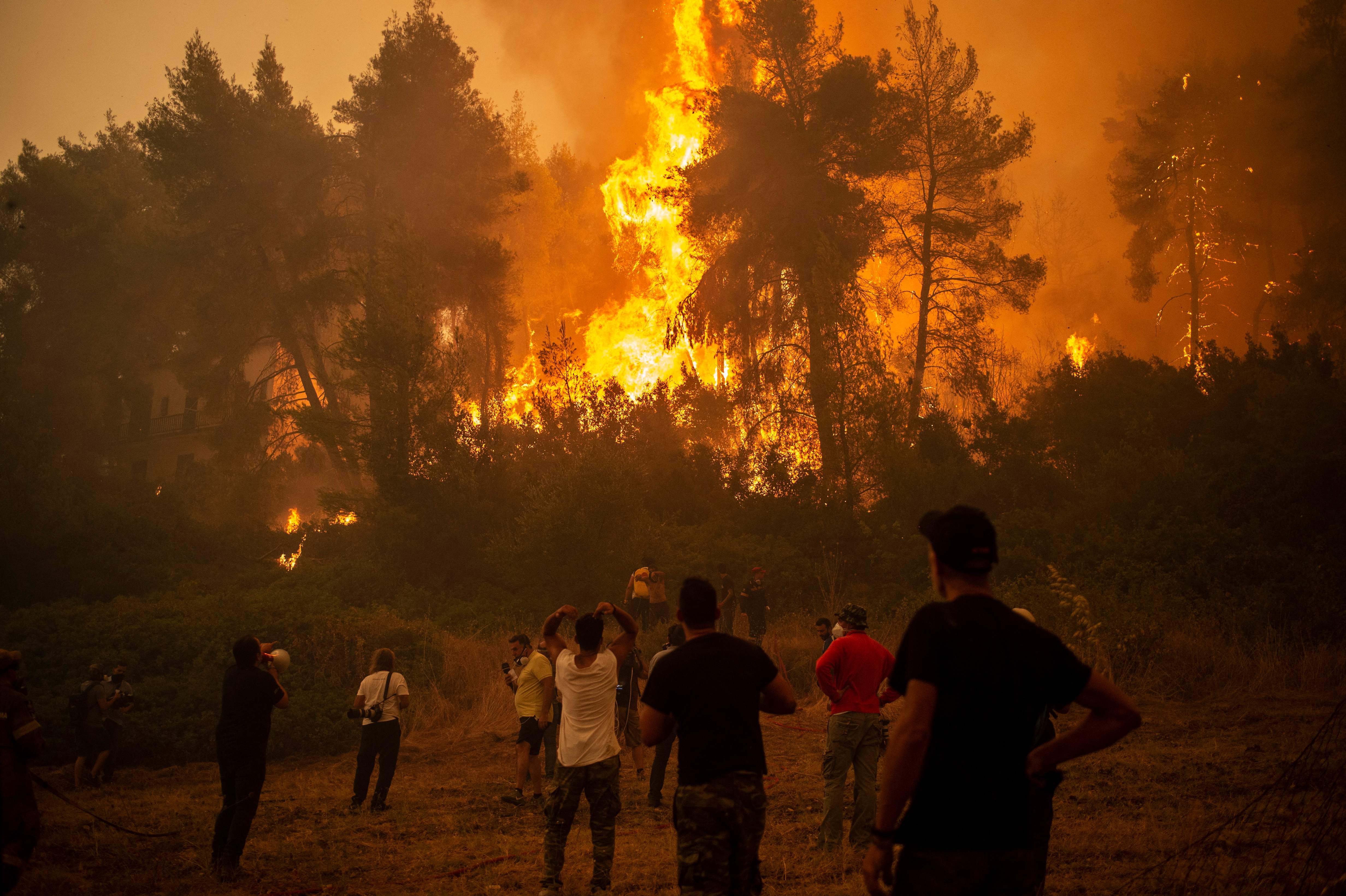
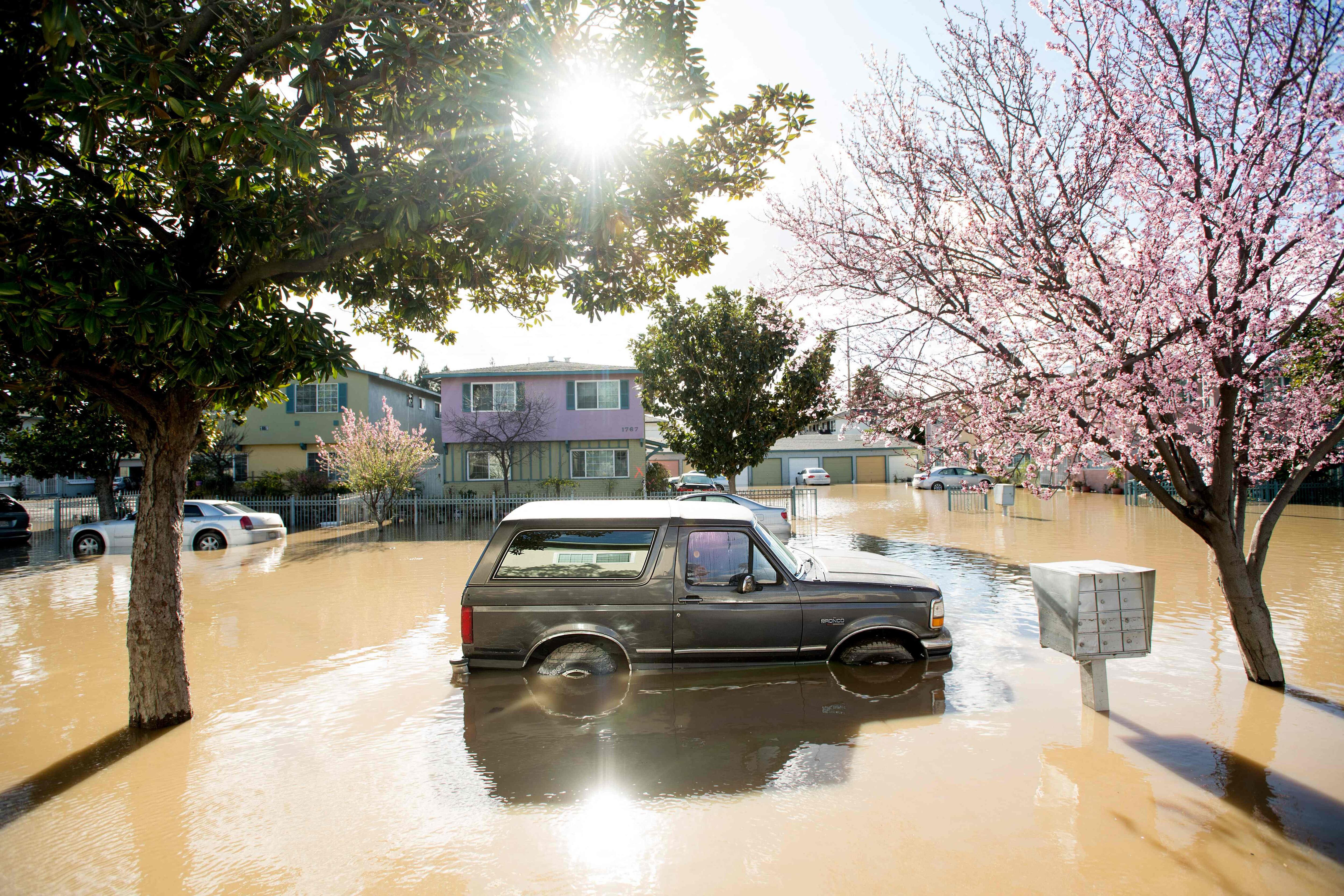
El planeta ya ha alcanzado los +1,1 ºC y empieza a constatar sus consecuencias: fuegos que arrasan el oeste de Estados Unidos, Grecia o Turquía, diluvios que inundan Alemania o China, termómetros que rozan los 50 ºC en Canadá.
“Si piensan que esto es grave, recuerden que lo que vemos ahora es solo la primera salva”, dice Kristina Dahl, de la organización Unión de Científicos Preocupados (UCS).
Incluso limitando el calentamiento a +1,5 ºC, olas de calor, inundaciones y otros eventos extremos aumentarán de forma “sin precedentes” tanto en su magnitud, frecuencia, ubicación o momento del año en que ocurren, advierte el IPCC.
“Este informe debería causar escalofríos a quien lo leyera (...) Muestra dónde estamos y adónde vamos con el cambio climático: hacia un hoyo que seguimos cavando”, comenta el climatólogo Dave Reay.
“Estabilizar el clima precisará de una reducción fuerte, rápida y sostenida de las emisiones de gases de efecto invernadero para alcanzar la neutralidad de carbono”, insiste Panmao Zhai, copresidenta del grupo de expertos que elaboró la primera parte de esta evaluación del IPCC.
La segunda parte, prevista para febrero de 2022, mostrará el impacto de estos cambios y cómo la vida en la Tierra se verá irremediablemente transformada en 30 años, incluso menos, según una versión preliminar obtenida por AFP.
La tercera parte abordará las soluciones posibles y se espera para marzo.
Sin embargo, el camino a seguir es de sobras conocido: impulsar la transición hacia una economía descarbonizada.
“Este informe debe poner fin al carbón y las energías fósiles antes que destruyan nuestro planeta”, reclamó el secretario general de Naciones Unidas, Antonio Guterres.
“No hay tiempo para esperar, ni lugar para excusas”, insistió Guterres. Además, aseguró que el estudio es “un código rojo” para el mundo.
“Espero que el informe del IPCC (...) sea una señal de atención para que el mundo actúe ahora, antes de que nos reunamos en Glasgow”, en la COP26 afirmó el primer ministro británico, Boris Johnson.
De cara a ese encuentro el presidente francés Emmanuel Macron pedía por Twitter sellar “un acuerdo que esté a la altura de la urgencia”.
En términos similares se manifestó el enviado especial estadounidense para el clima, John Kerry: “No podemos esperar (...) Todos los países deben tomar medidas valientes”.
La Comisión Europea, órgano ejecutivo de la UE, aseguró que “no es demasiado tarde para frenar la tendencia”.
Por ahora, solo la mitad de gobiernos revisaron sus objetivos iniciales de reducción de emisiones.
Los compromisos adoptados tras el Acuerdo de París de 2015 conducirían a un aumento de +3 ºC. Eso en caso de respetarse, porque el ritmo actual lleva a +4 ºC o +5 ºC.
Entre estas sombrías proyecciones, el IPCC aporta un resquicio de esperanza.
En el mejor escenario, el calentamiento podría volver al umbral de +1,5 ºC si se reducen drásticamente las emisiones y se absorbe más CO2 del que se emite.
Sin embargo, las técnicas que permiten recuperar a gran escala el CO2 en la atmósfera todavía se están investigando, apunta el IPCC.
Consecuencias irreversibles
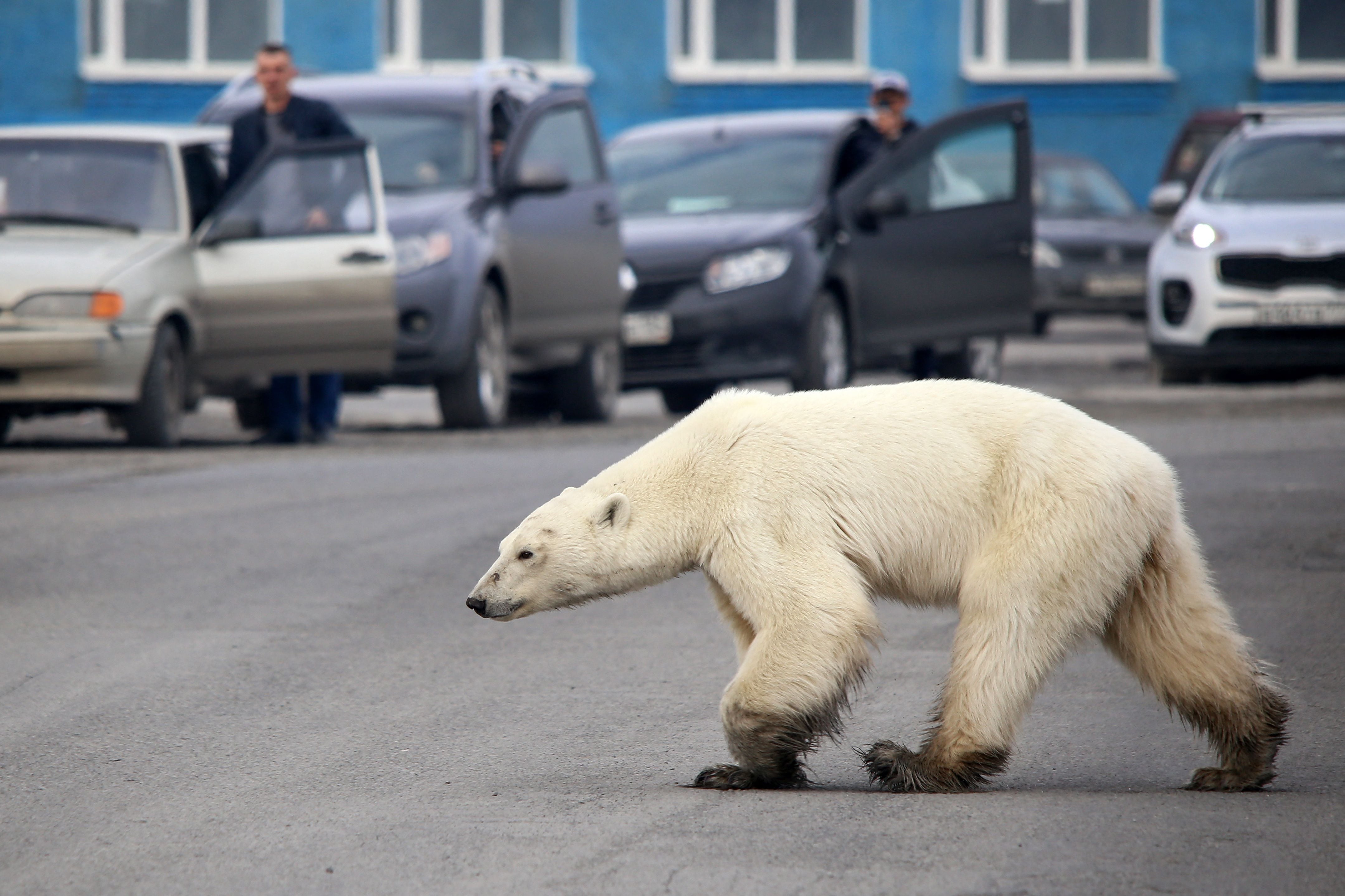
El informe indica que algunas consecuencias ya son “irreversibles”.
El deshielo de los polos hará que el nivel de los océanos siga aumentando durante “siglos, o milenios”.
El mar, que ya ha crecido 20 centímetros desde 1900, todavía podría avanzar medio metro más para 2100 aunque se mantenga el calentamiento a +2 ºC.
“Parece lejano, pero millones de niños ya nacidos todavía vivirán en el siglo XXII”, señala Jonathan Bamber, autor del informe.
Por primera vez, el IPCC no descarta la llegada de “puntos de inflexión”, eventos irreversibles poco probables pero de dramático impacto, como el deshielo del casquete glaciar de la Antártica o la muerte de la selva del Amazonas.
Esto no es motivo para tirar la toalla, justo lo contrario, porque cada fracción de grado cuenta, dicen científicos y activistas.
“No estamos condenados al fracaso”, asegura Friederike Otto, una de las autoras.
“No dejaremos que este informe se quede en un estante (...) Lo llevaremos con nosotros a los tribunales”, advierte Kaisa Kosonen, de Greenpeace.