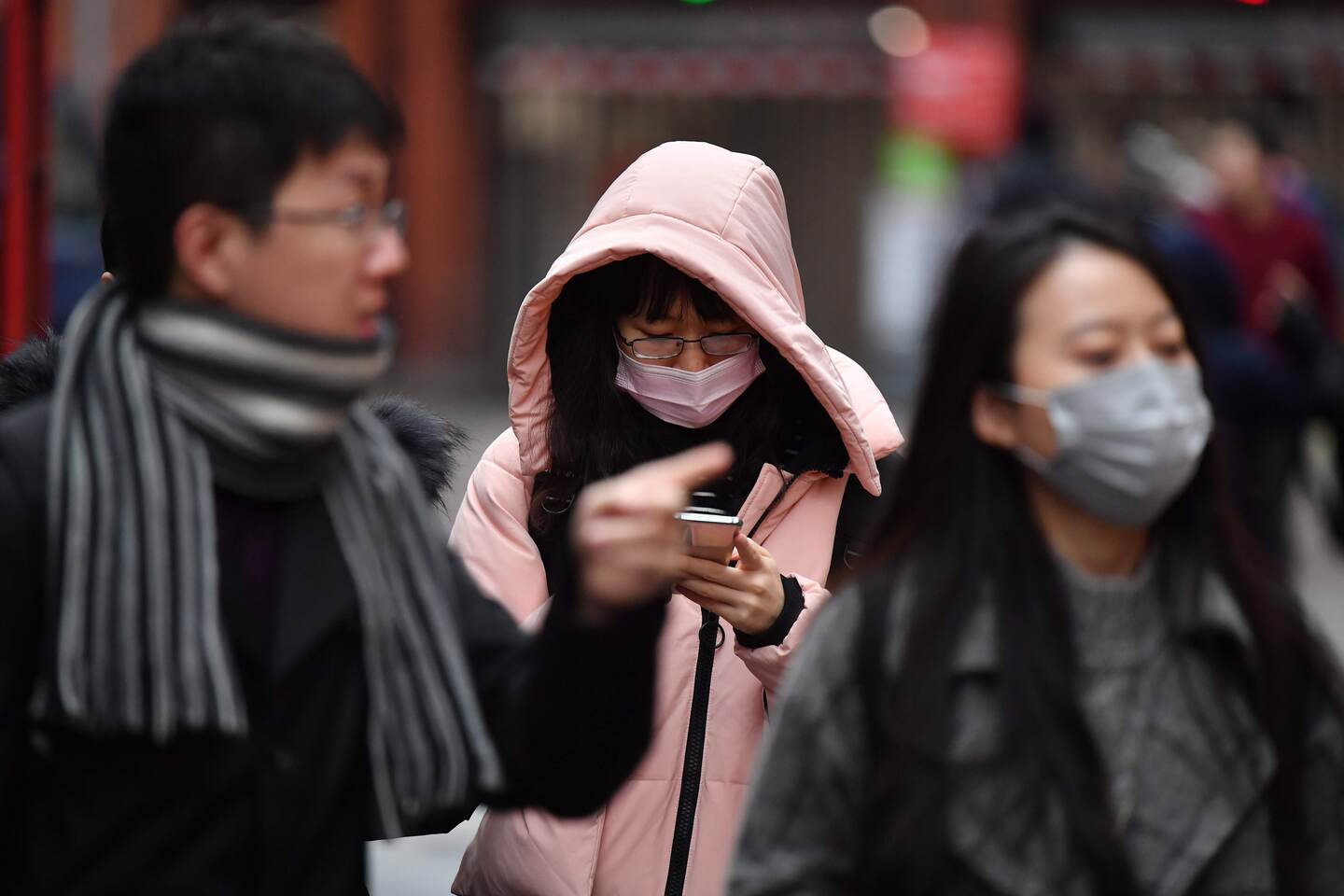

Un diluvio de informaciones falsas sobre la epidemia de neumonía viral que afecta a China se propaga en las redes sociales y alimenta el pánico de la población, como el video de una persona comiendo un murciélago o los falsos balances de víctimas mortales.
En Hong Kong, Phoebe, una médico de 40 años, dice estar consternada por los mensajes recibidos en los últimos días en el grupo formado por su familia en WhatsApp.
"He visto una información... que aconsejaba usar un secador para desinfectarse el rostro y las manos, o beber agua caliente a 60 grados para no enfermarse", cuenta a la AFP esta profesional, que prefiere no dar su nombre.
Como médico, sabe naturalmente que ninguno de estos procedimientos es eficaz, y que incluso puede ser peligroso, por lo que advirtió de ello a sus familiares.
Pero, ¿cuántos mensajes de este tipo circulan actualmente en internet o en aplicaciones de debate en línea?
Desde el anuncio a principios de enero de la aparición de este nuevo coronavirus en la ciudad china de Wuhan, las informaciones falsas han invadido la red.
Cristina Tardaguila, especialista de medios en Poynter Institute, afirma que más de 50 organizaciones que efectúan en 30 países verificación de noticias falsas han reportado “tres oleadas” de informaciones falsas.
“Una sobre los orígenes del virus, otra sobre una falsa patente de medicamentos y una tercera sobre la forma de prevenir o curar”, explica a la AFP.

LEA MÁS: Nuevo coronavirus: esto es lo último que la ciencia sabe de la transmisión de la enfermedad
Estereotipos racistas
Los periodistas encargados del “fact-check” en la AFP han detectado una multitud de informaciones falsas.
Una de ellas, que circula en Sri Lanka, afirmaba que los 11 millones de habitantes de Wuhan iban a morir.
Otra, que varios productos alimenticios y localidades australianas serían contaminados por este nuevo coronavirus, o que una solución salina permite evitar el contagio.
Algunas de estas informaciones falsas alimentan prejuicios sobre costumbres alimenticias o estereotipos racistas.
Un video, que acabó siendo viral, muestra a una mujer comiendo un murciélago con palillos.
Estas imágenes, reproducidas por algunos medios occidentales, pretenden demostrar que el origen de la crisis está en el gusto de algunos chinos por los animales exóticos.
Este video fue en realidad realizado en 2016 en el archipiélago del Pacifico de Palau por un bloguero.
Aunque la tradición culinaria china usa varios ingredientes ignorados o despreciados en otros países, y la venta de animales que viven en mercados es preocupante, el murciélago no es a menudo consumido.
En Australia, donde vive una importante comunidad china, las informaciones falsas se multiplican.
El lunes, un diputado de Brisbane advirtió a sus electores con un falso comunicado de prensa supuestamente del ministerio de Salud, que alertaría a la población contra los riesgos de desplazarse a barrios donde hay una fuerte concentración de personas de origen chino.
“Tener informaciones falsas difundidas por cretinos racistas crea un sentimiento de miedo e incertidumbre”, dijo el diputado a la AFP.

Balances fantasiosos
En internet, los sitios de extrema derecha se han apoderado de la epidemia.
Una de las primeras informaciones falsas en divulgarse fue la existencia de una vacuna contra este nuevo coronavirus, que habría sido patentada en 2015.
En realidad, la patente era sobre un coronavirus hallado entre aves.
Hal Turner, presentador de una radio de extrema derecha acusada de apoyar a los supremacistas blancos, publicó un artículo en internet afirmando que 112.000 personas ya habían muerto en China y que 2,8 millones habían sido colocadas en cuarentena.
Los titulares de los medios sensacionalistas y la histórica desconfianza ante el gobierno chino, han facilitado la propagación de rumores, según Robert Bartholomew, sociólogo neozelandés.
“Para mucha gente, la principal fuente de información son las redes o medios sociales con reputación de divulgar informaciones no verificadas”, asegura.
Para las autoridades sanitarias, este flujo incesante de informaciones falsas complica su trabajo.
“En Taiwán, la gente empieza a llamar a los hospitales o a las agencias gubernamentales inundándolos de preguntas, y movilizando preciosos recursos humanos” se lamenta Kevin Hsueh, un responsable del hospital Cardinal Tien en Taipei.
LEA MÁS: Lo que sabemos del nuevo coronavirus hoy que no sabíamos hace una semana