

Salud

Covid-19 en Costa Rica: ¿qué es el ‘hongo negro’ que afecta a muchos convalecientes en India?

Resumen de las noticias más recientes sobre coronavirus y vacunas anticovid-19 de en Costa Rica y el mundo

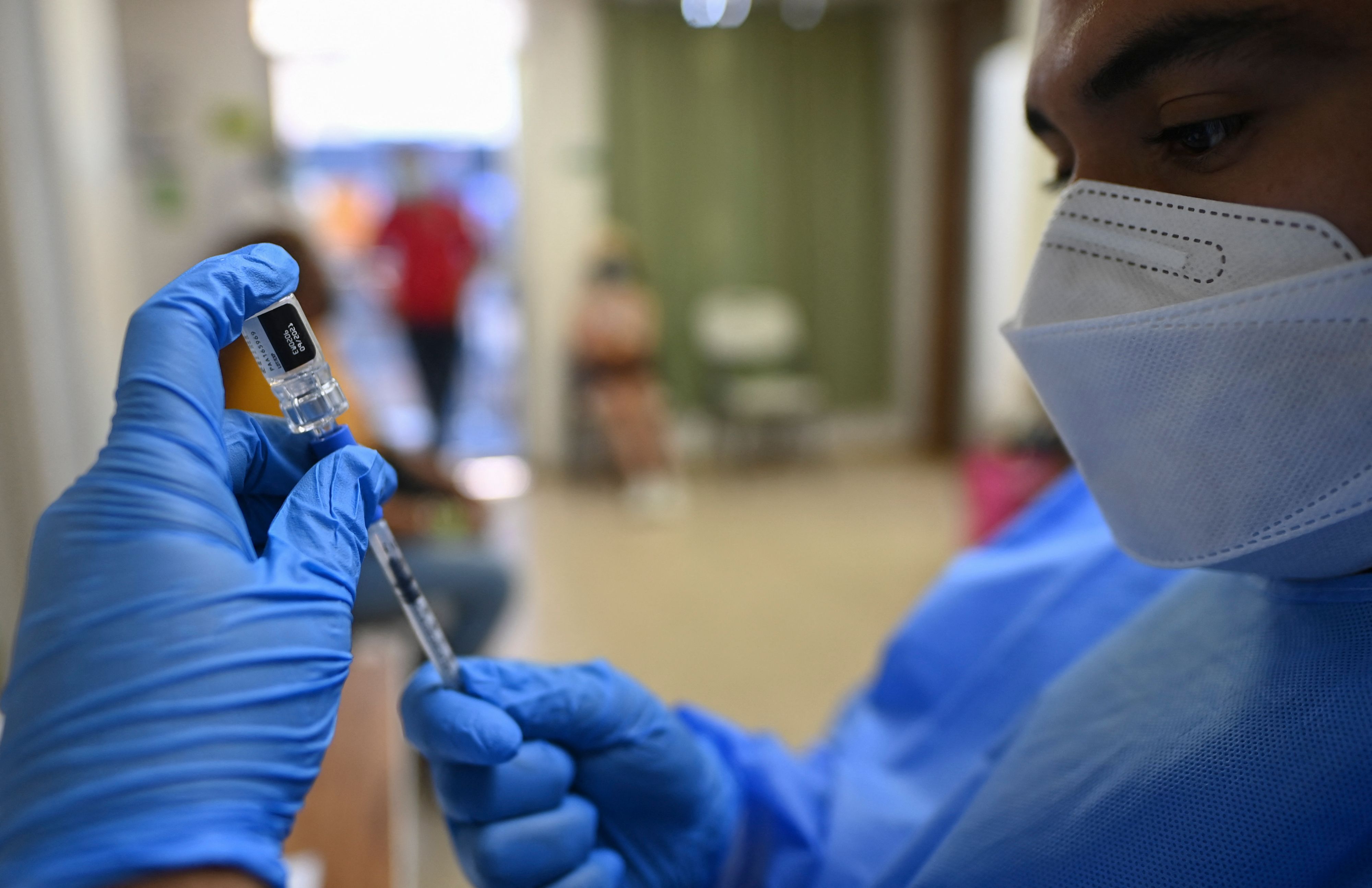
A nurse prepares a dose of the Pfizer-BioNTech vaccine against COVID-19 amid the novel coronavirus pandemic, in Taboga Island, Panama on May 21, 2021. - The Panamanian island of Taboga is free of covid-19 and its population completed the vaccination against the coronavirus,  the Ministry of Health announced. All the population over 16 years of age, pregnant women, teachers, were vaccinated, and this makes a coverage of about 1,800 people on the island, which also includes the islands of Otoque East and Otoque West. (Photo by Luis ACOSTA / AFP)
A nurse prepares a dose of the Pfizer-BioNTech vaccine against COVID-19 amid the novel coronavirus pandemic, in Taboga Island, Panama on May 21, 2021. - The Panamanian island of Taboga is free of covid-19 and its population completed the vaccination against the coronavirus, the Ministry of Health announced. All the population over 16 years of age, pregnant women, teachers, were vaccinated, and this makes a coverage of about 1,800 people on the island, which also includes the islands of Otoque East and Otoque West. (Photo by Luis ACOSTA / AFP) LUIS ACOSTA
India vive una intensa segunda ola de coronavirus. (SAJJAD HUSSAIN/AFP)

Como si no fuera poco todo lo que ha pasado con la pandemia del coronavirus, India sufre ahora de la mucormicosis, una rara infección fúngica, conocida como “hongo negro” que se está proliferando a un ritmo alarmante, especialmente entre los convalecientes de covid-19. Al menos nueve estados han clasificado esta infección como epidemia. ¿De qué se trata?

Esto es lo que debe saber sobre el coronavirus hoy:
‌
‌

‌

‌
‌

‌

‌