
Las dos persiguen la misma meta: evitar que quien las reciba se infecte con el virus SARS-CoV-2, causante de la covid-19.
Ambas están dirigidas a la población general y, además, se probaron en personas saludables y con factores de riesgo.
No obstante, las dos vacunas contra el nuevo coronavirus que se aplicarían en Costa Rica tienen caminos muy diferentes para lograr su cometido.
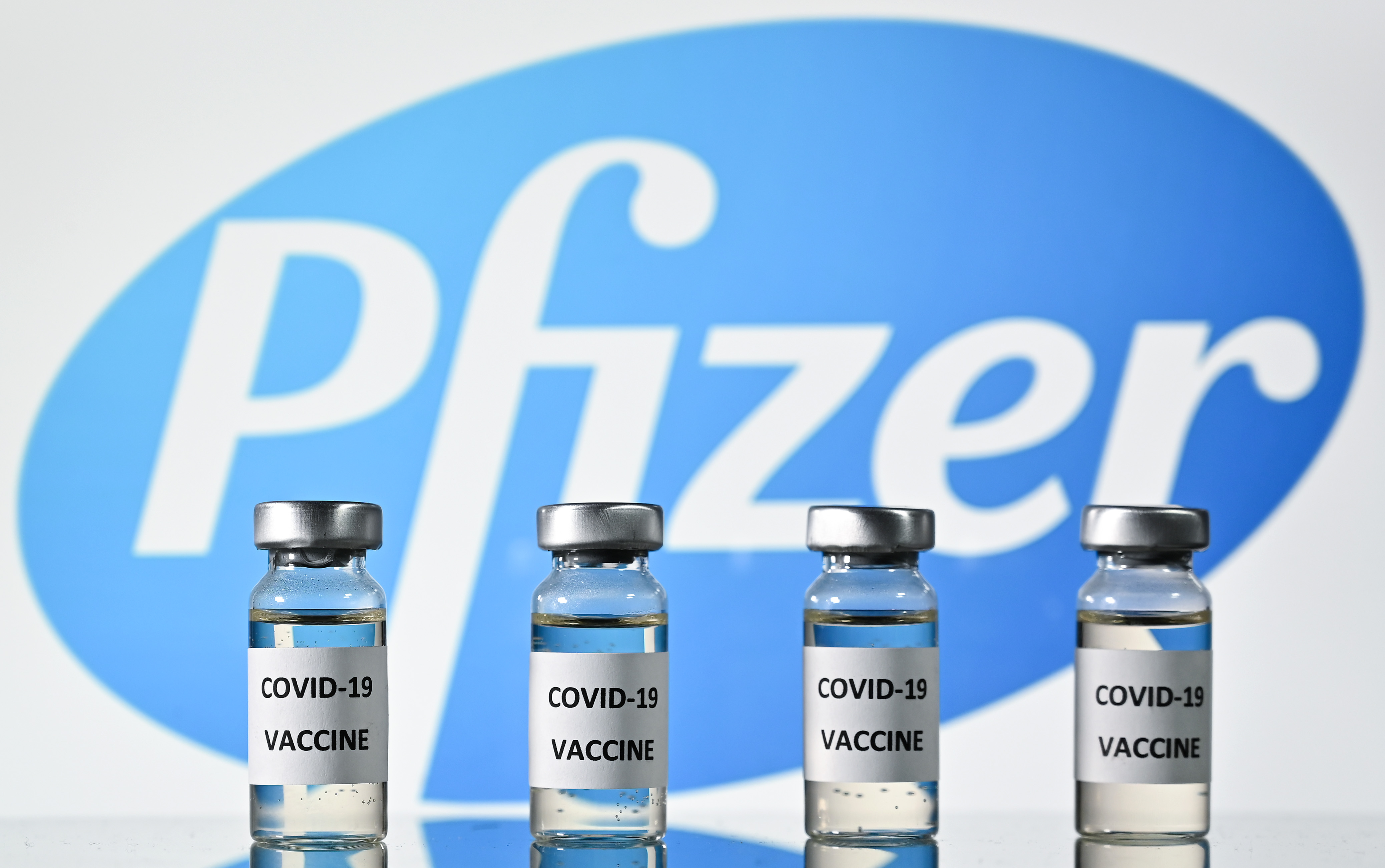
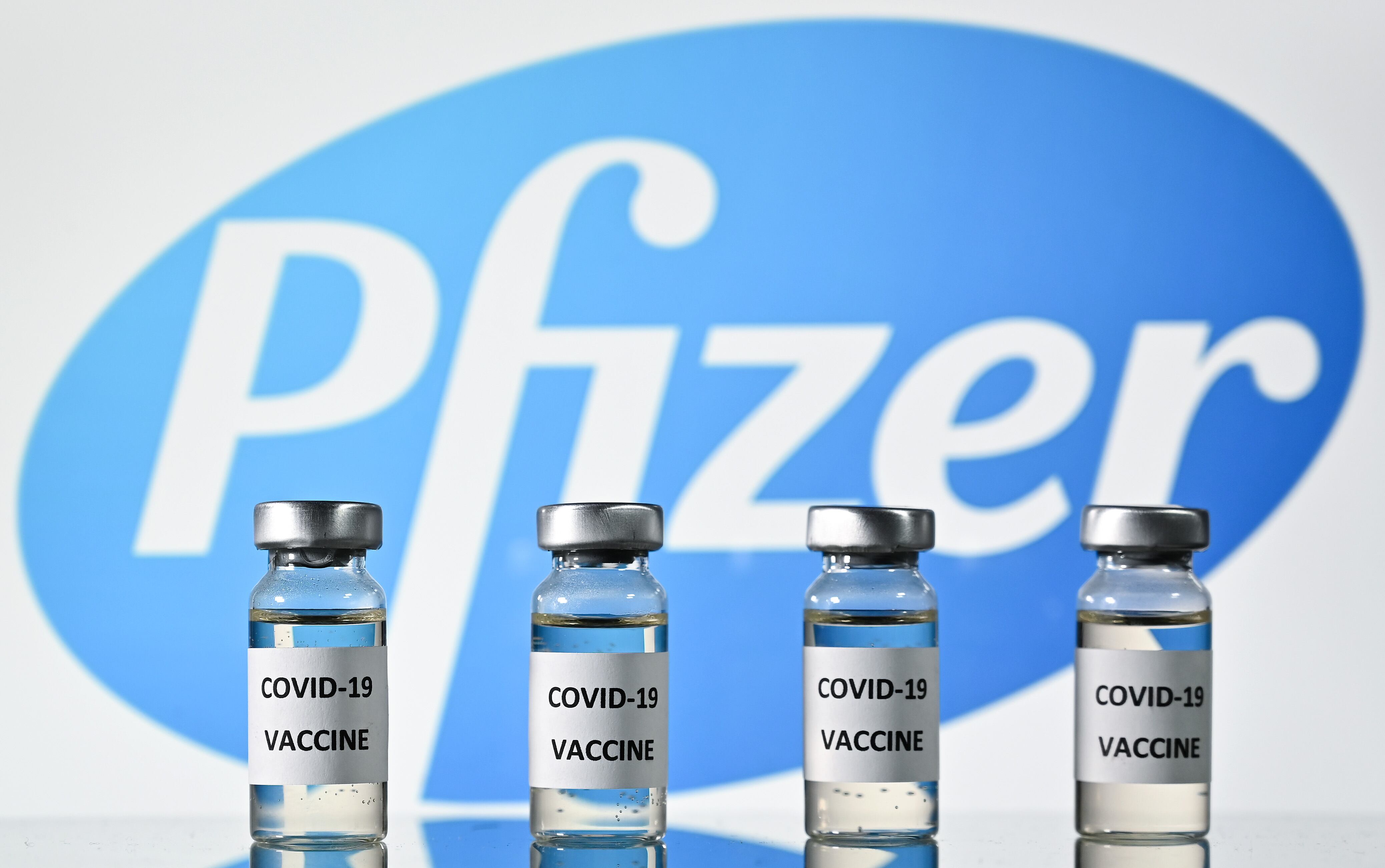
Una es desarrollada por la Universidad de Oxford con la farmacéutica AstraZeneca y la otra es producida por la farmacéutica Pfizer con la biotecnológica BioNTech.
Viajan hacia un mismo lugar, pero con medios de transporte diferentes que requieren características diferentes para almacenarlas y aplicarlas.
Daniel Salas, ministro de Salud, enfatizó este viernes que, en cualquiera de los dos casos, para que ambas vacunas sean eficaces deben aplicarse las dos dosis.
“Si nos aplicamos solo una no estaríamos protegiéndonos”, señaló en conferencia de prensa.
LEA MÁS: Llegada de vacuna contra covid-19 no sustituirá otras medidas contra el contagio
Pedro González, viceministro de Salud, manifestó a La Nación que luego de revisar y analizar las diez opciones que estaban en fase III de ensayos clínicos en diferentes partes del mundo, estas dos fueron las que más se ajustaron a los requisitos.
Los requerimientos que debían cumplir eran:
1- Estar en la fase III y final de ensayos clínicos en seres humanos.
2- Que sus desarrolladores publicaran sus resultados de las fases I y II en revistas científicas de peso.
3- Que tuvieran buena respuesta inmunitaria en la generación de anticuerpos y células de defensa.
4- Que los desarrolladores buscaran el aval y respaldo de agencias reguladoras con la Agencia de Alimentos y Medicamentos de Estados Unidos (FDA, por sus siglas en inglés) o la Agencia Europea del Medicamento (EMA).
5- Que las fechas previstas de entrega no fueran “muy lejanas”.
6- Que su precio fuera accesible.
La Nación estudió lo dicho hasta el momento por las diferentes compañías farmacéuticas y resume sus similitudes y diferencias.
Las diferencias no implican que una de las opciones sea más eficaz o más segura que la otra, simplemente tienen vías diferentes para lograr esa misma eficacia y seguridad.
LEA MÁS: Tasa de contagio de covid-19 en Costa Rica registra número más alto en cinco semanas
Oxford y AstraZeneca: un camino ya conocido con algunas variantes
Esta vacuna experimental aún no tiene nombre comercial y, de momento, se le conoce como AZD1222.
Funciona con un método llamado vector viral no replicante. Los vectores virales son comunes en vacunas, pero este desarrollo hizo una variante: evitar que el virus se replique o saque copias de sí mismo.
Esta es la primera vez que esta variante se usaría en una vacuna, aunque fue probada en una vacuna contra la ébola.
¿Qué quiere decir esto y cómo funciona? Es mejor explicarlo con un gráfico.
Vacuna usa un virus para ingresar al cuerpo
Esta técnica se llama vector viral recombinante y se ve en las vacunas del Instituto Gamaleya en Rusia, la de Oxford y AstraZeneca, la de la farmacéutica Janssen y la de Cansino Biological con el Instituto de Tecnología de Pekín.
FUENTE: OMS, AstraZeneca, Instituto Gamaleya || J.C. INFOGRAFÍA/ LA NACIÓN.
Dentro de sus ventajas está el que, al trabajar con un vector viral y no con ARN mensajero (como la de Pfizer y BioNTech), no requiere mantenerse a niveles altos de congelación y bajas temperaturas.
En este caso, solo es necesario estar entre 2° C y 8° C, mismas temperaturas a las que son almacenadas las vacunas utilizadas actualmente en Costa Rica.
LEA MÁS: 200 funcionarios preparan vacunación de tres millones de ticos contra covid-19
Lo anterior obedece a que el tipo de componentes de la vacuna no requieren condiciones diferentes de almacenamiento a las de las vacunas actuales.
Este ensayo clínico se ha paralizado en dos ocasiones luego de que se registraran eventos adversos en participantes.
Sin embargo, las autoridades de los países donde se prueba la vacuna comprobaron que no se comprometía la seguridad de la vacuna y, por ello, retomaron los ensayos.
La alianza de Costa Rica con Oxford y AstraZeneca es por 1 millón de dosis que beneficiarían a 500.000 personas. Cada persona recibiría dos dosis con 28 días de diferencia entre una y otra.
LEA MÁS: (Video) Más de 250.000 muertos por covid-19 en EE. UU.
La apuesta de Pfizer y el desafío de temperaturas ultracongelantes
La vacuna de Pfizer y BionTech representa el desafío más grande de almacenaje, conservación y transporte que se haya tenido hasta el momento.
Por sus características, debe permanecer a -70 ° C, una temperatura diez veces menor a la que se utiliza para almacenar las vacunas en nuestro país (de 2 °C a 8 ° C).
“Nunca hemos tenido un desafío así”, reconoció Leandra Abarca, coordinadora del programa de Inmunizaciones de la Caja Costarricense de Seguro Social (CCSS).
“Pero nos hemos preparado para tener absolutamente todos los congeladores y la logística lista cuando la vacuna llegue al país”, añadió.
Para ello Costa Rica encargó, a través de la Comisión Nacional de Emergencias (CNE), 14 congeladores de ultra baja temperatura: 13 con capacidad para 550 litros y uno para 750 litros.
Dichos equipos pueden resistir temperaturas de - 86° C inclusive. Estarán ubicados en hospitales y áreas de salud a lo largo y ancho del país.
“Esta es una vacuna que va a requerir una vigilancia de la cadena de frío desde que sale de la fábrica hasta que se le aplica a la persona, pero ya se tiene toda la coordinación para eso”, manifestó González.
El monitoreo se hará desde su llegada al país, al paso por Aduanas, a la llegada a los almacenes de la CCSS y se vigilará en su transporte hasta los centros de salud.
Una vez llegada a los vacunatorios no habría problema, porque pueden permanecer a 5 ° C durante cinco días.
“Aún con esta cadena de frío tan rigurosa, la vacuna de Pfizer probó ser de las mejores opciones analizadas.
Incluso, por costo, a la hora de ver los congeladores que deben usarse y el valor del precio de cada dosis, subía solamente unos centavos”, expresó el viceministro.
Abarca añade: “haber aceptado esta vacuna implicó una serie de análisis muy rigurosos para ver si podíamos adquirirla, será un desafío logístico muy grande, pero podremos con él”.
¿Por qué las temperaturas deben ser tan bajas? Esta técnica utiliza por primera vez en la historia de la vacunación el ARN mensajero o ARNm, y, para preservarse, requiere temperaturas tan frías para no perder sus propiedades al utilizar un tejido vivo.
Margaret Liu, líder de la Asociación Internacional de Vacunas, explicó al medio NPR: “piensen que esta vacuna es una barra de chocolate que se derrite muy fácilmente. Esto pasa con los M&Ms (o “botonetas”), pero los fabricantes les ponen una cobertura de azúcar para que no se derritan antes de que nos lo comamos.
“Con la vacuna, se le ponen nanopartículas (partículas diminutas) que actúan como esa cobertura de azúcar para evitar que el ARNm se derrita, pero para eso necesitan temperaturas muy, muy bajas”, agregó.
La forma como funciona esta posible vacuna la podemos ver en este gráfico.
La carrera por una vacuna
FUENTE: OMS, PFIZER, SANOFI-PASTEUR, CDC, FDA, CLINICALTRIALS.GOV || w.s. / LA NACIÓN.
LEA MÁS: CCSS omite informar criterios de selección de proveedores en compras urgentes para covid
Nuestro país negoció 3 millones de dosis que beneficiarían a 1,5 millones de personas.
Cada dosis se pone con 21 días de diferencia. Aún no se sabe cuándo llegarán estos productos, ni cuál se aprobará primero.
Este viernes, Pfizer y BioNTech solicitaron a la FDA una autorización de emergencia, un aval temporal que se da cuando un medicamento o vacuna sigue en fase de estudios, pero ya hay pruebas de seguridad y eficacia que las respaldan.
Este tipo de aprobaciones se da especialmente en casos donde no hay tratamiento o vacuna disponible para atender una enfermedad o condición.
La FDA, por su parte, anunció que se reunirá este 10 de diciembre para analizar si le da una autorización de emergencia a la vacuna de Pfizer y BioNTech.
LEA MÁS: Ministra de Economía, Victoria Hernández, da positivo a prueba de covid-19