A lo anterior se añade la sombra del ambicioso y revanchista expresidente Evo Morales, cuyo llamado a los votos nulos, con 19,29% de apoyo, estuvo apenas unos puntos decimales por debajo del tercer candidato más votado. No se puede calificar de un gran éxito, pero sí es un caudal suficiente para mantenerse como una fuente disruptiva y deslegitimadora, que dificultará aún más la tarea gubernamental.
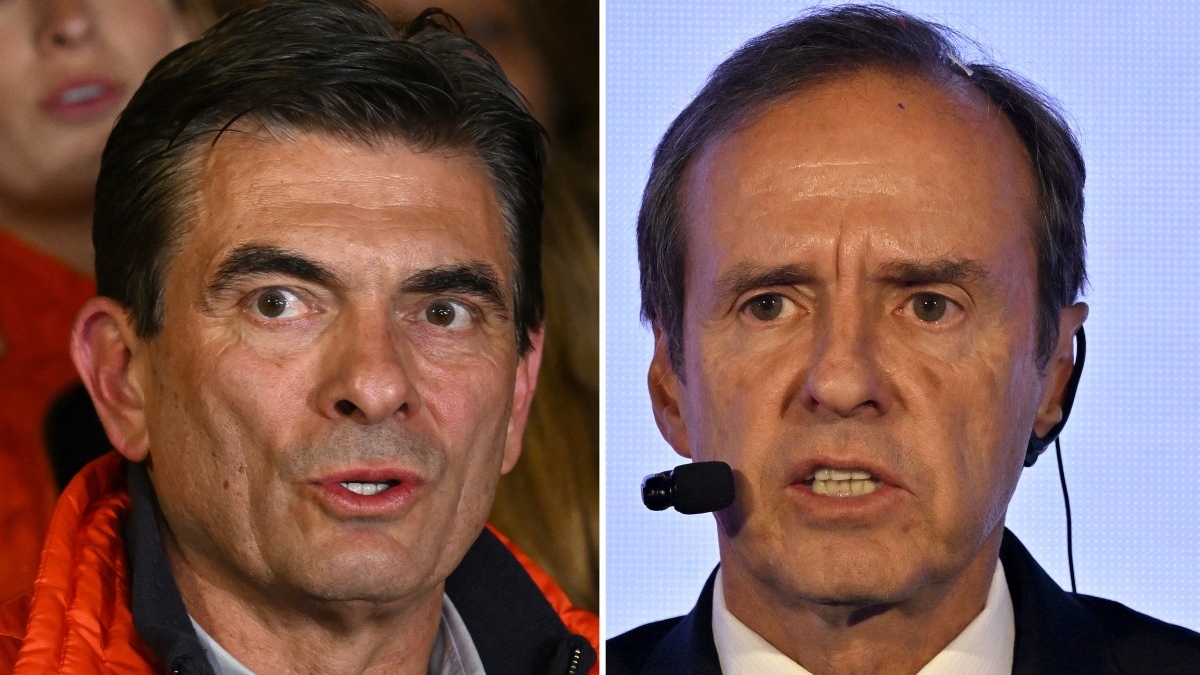
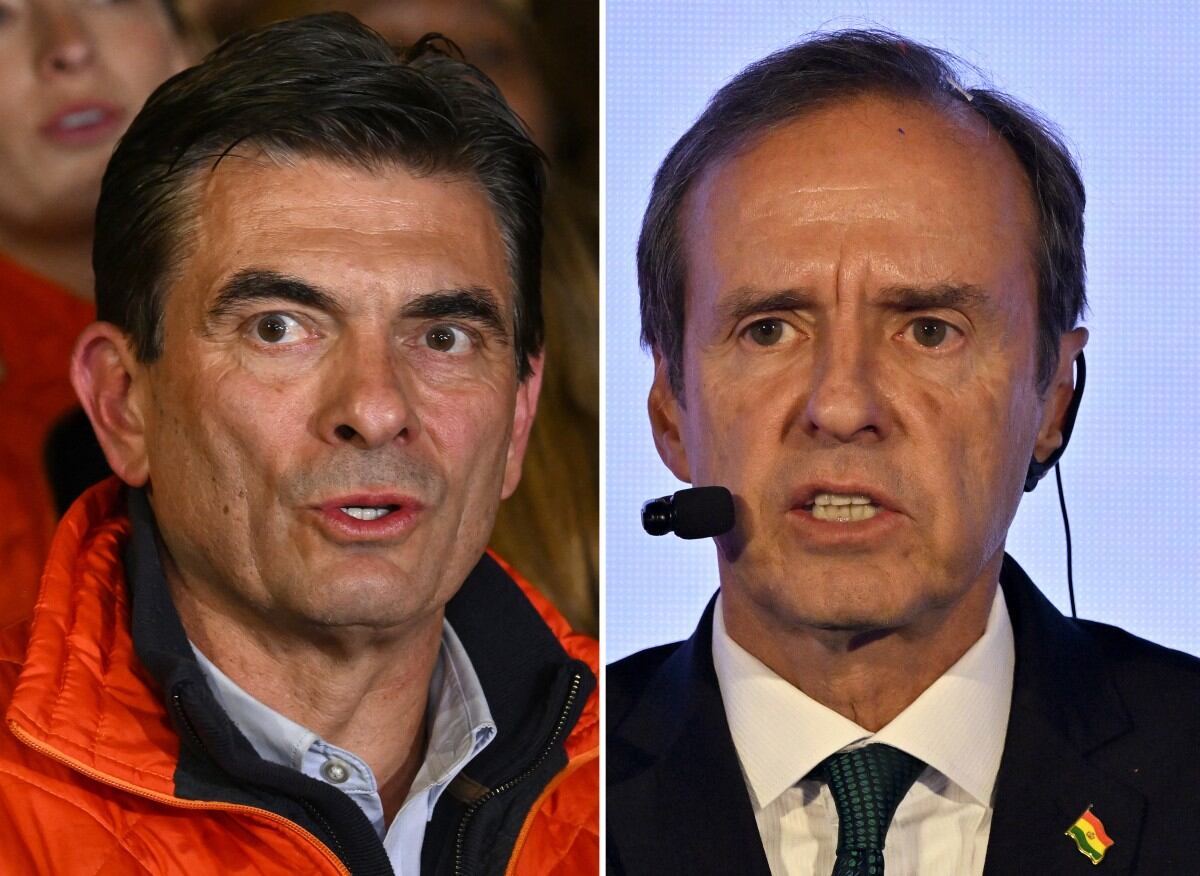
En conjunto, sin embargo, los resultados no admiten dudas sobre el profundo cambio del electorado y el afán de cambio que lo anima. El centrista Rodrigo Paz Pereira, del Partido Demócrata Cristiano (PDC), quedó en un cómodo primer lugar, con 32,14% de los votos. El expresidente derechista Jorge Quiroga Ramírez, de Alianza Libre, recibió 26,81%, y quien parecía su rival más cercano, Samuel Doria Medina, de Alianza Unidad (centro-derecha), 19,86%. Será determinante para incidir en la segunda ronda.
El candidato del MAS se hundió en un bochornoso sexto lugar, y apenas logró superar el mínimo del 3% para mantener la divisa partidaria con vida legal. Un disidente de este partido y actual presidente del Senado se ubicó en el cuarto, con 8,22%.
Los resultados para ambas cámaras del legislativo aún pueden sufrir ligeros cambios, pero reflejan con claridad las tendencias presidenciales y, si bien apuntan a la fragmentación, esta no será extrema. EL PDC tendrá, al menos, 45 de los 130 representantes y 13 de los 36 senadores; Libre, 37 y 11, respectivamente, y Unidad, 18 y 6 en cada cámara. Dadas las similitudes programáticas entre estas tres agrupaciones, es posible que, una vez constituido el nuevo gobierno, logren entendimientos adecuados para impulsar el tipo de legislación que imponen los retos nacionales. Sin embargo, su éxito no está garantizado.
Bolivia padece una crisis política, económica y social de enormes dimensiones. A ella se añaden profundas diferencias étnicas y regionales, que afectan la integralidad del Estado y los entendimientos.
Evo Morales, como candidato del MAS, llegó a la presidencia en 2006 y se mantuvo en ella hasta 2019, cuando forzó un cuarto periodo inconstitucional de gobierno, pero debió abandonar el poder en medio de denuncias de fraude en las elecciones de entonces y salió al exilio. Las nuevas elecciones celebradas tras un breve gobierno de facto dieron el triunfo a Luis Arce, su ministro de Hacienda, ungido como sucesor.
Muy pronto, sin embargo, las pugnas intestinas por el control del MAS y del gobierno, entre grupos rivales seguidores de ambos personajes, crearon una gran inestabilidad, en un trasfondo de descalabro económico. Su génesis fue el modelo estatista impulsado por Morales. Logró mantenerlo con éxito y, de hecho, redujo sustancialmente la pobreza, durante una década de bonanza para los precios internacionales de hidrocarburos, abundantes en el país. Sin embargo, no hubo reformas para diversificar la economía; la nacionalización de las empresas del ramo generó amplios recursos iniciales al Estado, pero la falta de inversiones afectó su capacidad productiva y competitiva.
Conforme más se reducían los ingresos por las exportaciones de gas, menos sostenibles resultaron los subsidios –en particular, el consumo de combustibles–, la moneda comenzó a perder valor, la inflación se disparó, la pobreza dejó de reducirse y, sin medidas oportunas para frenar estas tendencias, la economía llegó a una situación virtualmente inmanejable, al menos sin un cambio de esquema.
El resultado electoral fue, sobre todo, producto del rechazo al modelo fracasado; también, al virtual canibalismo que se instauró en los ámbitos oficialistas.
La gran interrogante se abre sobre el futuro. Electoralmente, Paz Pereira, del PDC, parece tener gran ventaja; además, de llegar a la presidencia, sus posiciones centristas y una primera pluralidad legislativa harían más factibles los acuerdos que fomenten la gobernanza. Es lo que los bolivianos merecen, pero el éxito requerirá mucho trabajo, inteligencia, apertura y sacrificio de todos.