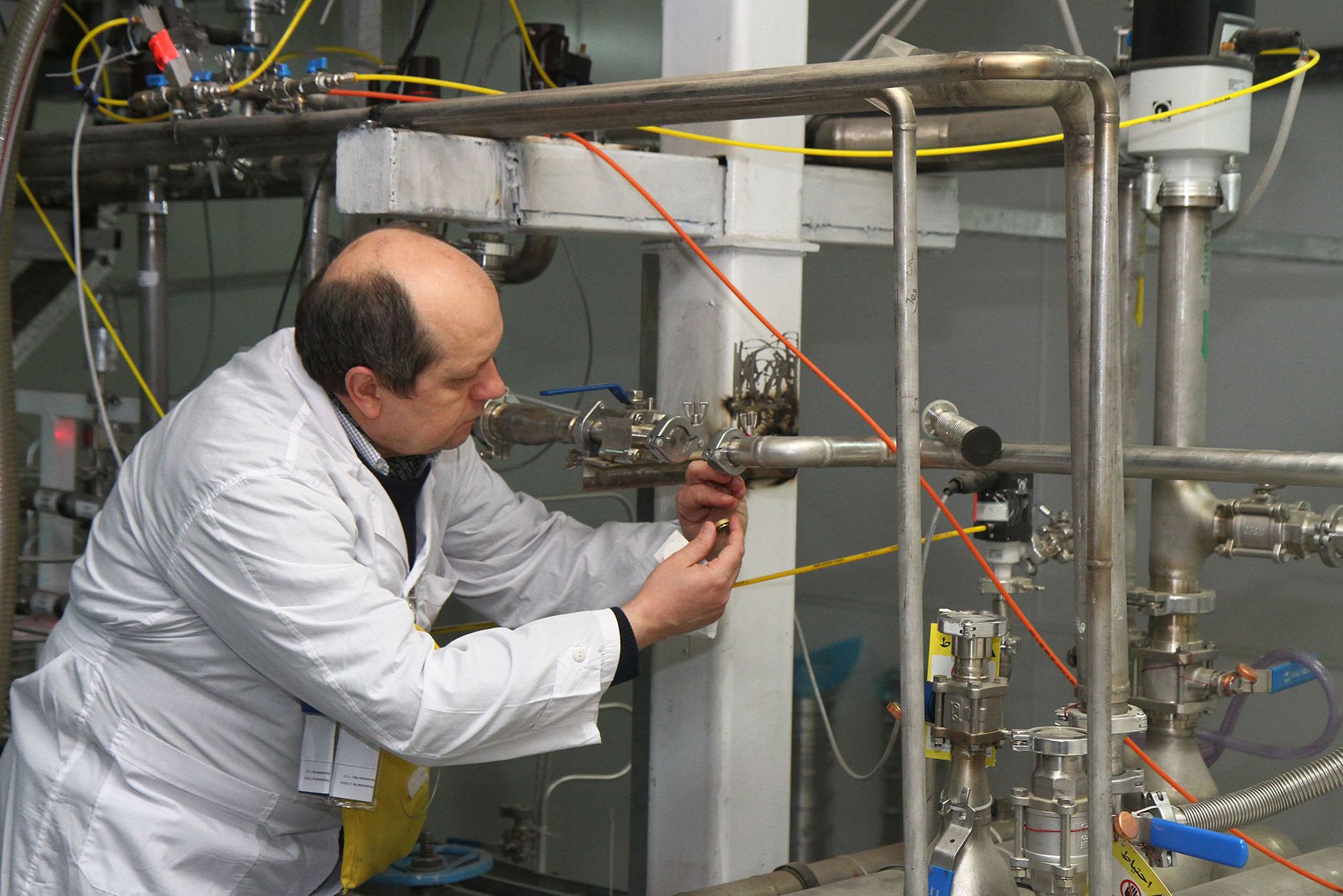

París. Encargada de verificar sobre el terreno la aplicación por parte de Teherán del acuerdo nuclear del 2015, el Organismo Internacional de Energía Atómica (OIEA) continuará cumpliendo esta misión pese al anuncio de Irán, este miércoles, de que dejará de limitar sus existencias de agua pesada y uranio enriquecido.
¿Por qué el OIEA?
Creado en 1957 y con sede en Viena, es el organismo de la ONU encargado de las tecnologías nucleares. Cuenta con 171 países miembros y emplea a 2.500 expertos. Desempeña el papel de una especie de “policía nuclear”, encargada de garantizar el cumplimiento del Tratado de No Proliferación (TNP) y de detectar posibles programas militares clandestinos.
¿Cuál régimen de inspección?
Las inspecciones del OIEA en Irán se encuadran en el protocolo adicional al Tratado de No Proliferación Nuclear (TNP), al que Teherán volvió a suscribirse en virtud del acuerdo de Viena.
De esta manera, OIEA puede visitar, incluso de manera sorpresiva, todos los sitios nucleares del país, así como los no nucleares que considere de utilidad verificar su actividad.
Las autoridades iraníes se han comprometido a facilitar el control de las minas e instalaciones de procesamiento de uranio, y permitir la vigilancia continua de la fabricación de centrifugadoras e instalaciones de almacenamiento.
LEA MÁS: Irán amenaza con volver a enriquecer uranio de alta concentración
En tanto la República islámica no abandone este protocolo, las competencias para la inspección de los expertos del OIEA permanecen sin cambio.
Irán ya se había suscrito por primera vez al protocolo adicional en el 2003, antes de abandonarlo en el 2006 tras haber sido remitido ante el Consejo de seguridad de la ONU por sus actividades de enriquecimiento de uranio.
¿Cuáles medios de verificación?
OIEA ha destacado en varias ocasiones que el régimen de inspección vigente en Irán desde el 2015 es el más riguroso del mundo.
El organismo subraya que su personal dedicado al control de Irán se ha “duplicado desde el 2013”, con 3.000 jornadas de trabajo por año sobre el terreno, más de 2.000 sellados y el número de cámaras de vigilancia también doblado desde el 2013. Se han realizado más de 25 visitas sorpresivas.
“Registramos y analizamos centanares de miles de imágenes tomadas a diario (...) que representan más de la mitad de las recopiladas en todo el mundo” por la agencia, señaló el japonés Yukiya Amano, director de OIEA desde el 2009.
Informes trimestrales
El organismo publica cada trimestre un informe sobre los progresos en la implementación del tratado por parte de la República islámica. Hasta ahora, siempre ha confirmado que Irán aplica el acuerdo, y sobre todo que Teherán no ha enriquecido uranio a niveles prohibidos y no cuenta con existencias nucleares ilegales.
Irán había aceptado limitar sus existencias de agua pesada a un máximo de 130 toneladas y sus reservas de uranio enriquecido (UF6) a solo 300 kg. Además, renunció a enriquecer uranio a un índice superior al 3,67%.
Tras los anuncios de Teherán, OIEA podrá como hasta ahora "controlar todas las evoluciones día tras día", señaló Robert Kelley, del Instituto Internacional de Estocolmo para la Paz (SIPRI). "Todo el mundo sabrá exactamente qué está pasando", destacó.
Presiones
Aunque se trata de un organismo independiente encargado de la supervisión técnica, OIEA se ve frecuentemente sometido a intentos de presión política en este asunto considerado de ‘alta diplomacia’, particularmente por parte de Israel y Estados Unidos. Washington abandonó unilateralmente el acuerdo con Irán hace un año.
En setiembre del 2017, Nikki Haley, entonces embajadora de Estados Unidos ante la ONU, puso en tela de juicio la eficacia de las inspecciones y señaló que el organismo no podía intervenir “en cualquier momento y lugar”.
Un año más tarde, durante la Asamblea General de la ONU, el primer ministro israelí, Benjamín Netanyahu, exigió que la agencia inspeccionase “inmediatamente” un sitio señalado por su país como “un lugar secreto para almacenamiento atómico”.
Amano replicó subrayando que su agencia no aceptaba que se le dictaran sus tareas y que estaba trabajando con absoluta "independencia", lo que constituye una garantía de su "credibilidad".
Los otros países signatarios del acuerdo nuclear, hasta ahora siempre han elogiado la calidad del trabajo realizado por el OIEA en Irán.
Amano ha destacado que el acuerdo del
2015 representa una “ventaja significativa” en términos de verificación, y que su eventual fracaso significaría “una gran pérdida” para la capacidad de la comunidad internacional de garantizar la naturaleza estrictamente pacífica del programa nuclear iraní.