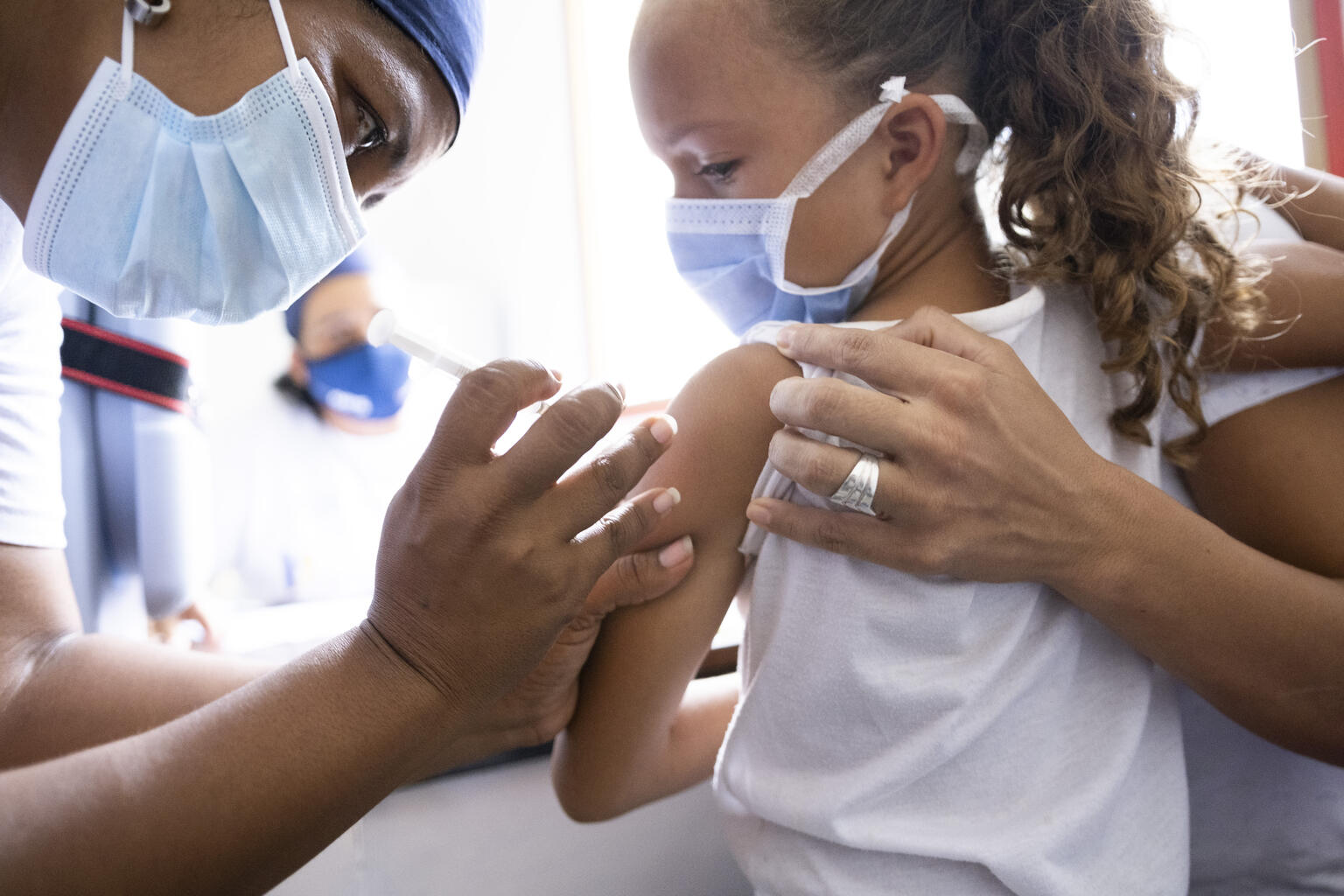

“Me gustaría abordar una enfermedad que nunca esperaba volver a ver en nuestra región. Me refiero a la poliomielitis. (...) Hace 30 años, las Américas fue la primera región en registrar la eliminación de esta enfermedad. Pero la baja en la vacunación ha dejado a población vulnerable. Seamos claros, la poliomielitis no es una enfermedad curable, pero sí prevenible y esto se hace con vacunación”.
Las palabras de Carisa Etienne, directora de la Organización Panamericana de la Salud (OPS), la mañana de este 21 de setiembre, pusieron en evidencia la preocupación constante del regreso de una enfermedad que se creía desaparecida hace tres décadas.
En julio de este año se registró en Estados Unidos el caso de un hombre no vacunado que presentaba parálisis por el virus de polio. En las siguientes semanas se encontró el virus en aguas residuales en varios condados, incluida la ciudad de Nueva York. El gobernador decretó estado de desastre.
La semana pasada, el 13 de setiembre para ser exactos, el Centro de Control de Enfermedades (CDC, por sus siglas en inglés) comunicaban que Estados Unidos cumplía con los criterios de la Organización Mundial de la Salud (OMS) para declarar la circulación comunitaria de polio, y pasaba a engrosar la lista de países con brotes.
Antes de este caso, el último de la enfermedad en América se había visto en 1994, en Perú.
Ciro Ugarte, jefe de Emergencias de la OPS, confirmó que no se han visto casos en América Latina y el Caribe. No obstante, en el continente hay 12 países en riesgo muy alto o alto de reaparición de la enfermedad, dadas sus coberturas de vacunación. Brasil, República Dominicana, Haití y Perú están en muy alto riesgo, mientras que Argentina, Bahamas, Bolivia, Ecuador, Guatemala, Panamá, Surinam y Venezuela se consideran de alto riesgo.
“Debido a la disminución de las coberturas, el riesgo de que se presenten casos está en el nivel más alto de los últimos 25 años”, subrayó.
Hay un sistema para poder detectar casos de parálisis flácida por poliovirus, que no solo es una de las consecuencias más serias, también una que puede encender las alertas de que hay más casos, más leves, que han burlado los sistemas de detección.
En Costa Rica
En nuestro país, el último caso de poliomielitis se vio en 1973, en una niña de Palmar Sur. Desde entonces no se ha visto la enfermedad, se eliminó 21 años antes de que el continente completo lograra eliminarla. Las altas tasas de vacunación hacen que nuestro país se encuentre bien protegido en este momento, aseguró la la pediatra infectóloga y especialista en vacunas María Luisa Ávila.
Costa Rica es de los países precursores de esta campaña de vacunación en el continente. Según un artículo en la Revista Costarricense de Salud Pública, la primera vacuna en suelo tico se administró en marzo de 1959. La meta era vacunar a todos los niños menores de 11 años, que en aquel entonces eran 375.000. En 1959 se aplicaron 492.735 dosis y en 1960 97.103.
Por cinco décadas se utilizó una vacuna de polio oral. A partir del 9 de setiembre de 2010 se cambió a la pentavalente, que se inyecta de forma intramuscular.
Durante esas décadas, la vacuna oral evito la parálisis en miles de niños. Aunque estos casos de parálisis son muy raros en quienes tienen la enfermedad, sí hay decenas de costarricenses que fueron víctimas de esta secuela antes de que la vacuna llegara.
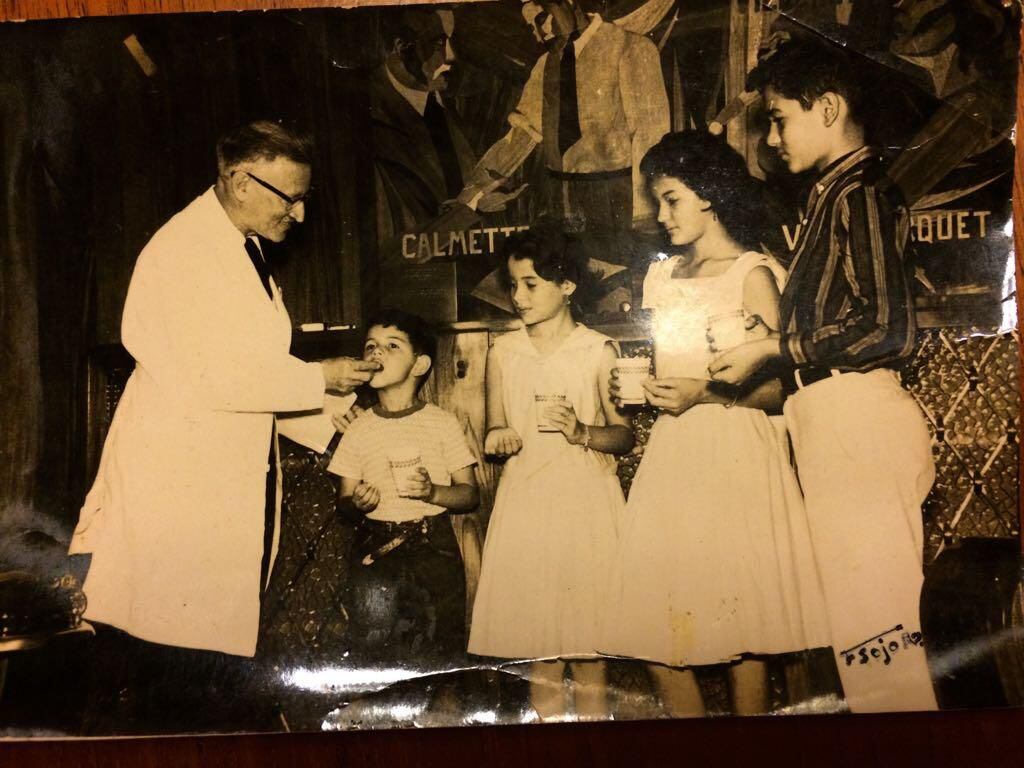
El esquema de vacunación actual incluye cinco dosis: un esquema inicial de tres dosis a los 2, 4 y 6 meses y dos refuerzos; a los 15 meses y cuatro años. En nuestro país se dejó de usar la vacuna oral en 2010 y se sustituyó por la inyectada, conocida como pentavalente, porque también protege contra difteria, tétanos, tosferina y Haemophilus influenzae tipo B.
Aquí, la cobertura del esquema completo en 2021 fue del 92,2%, en 2020 fue de 95,6%. Como todas las vacunas del esquema pediátrico, esta es obligatoria. En América la cobertura es del 79%, la más baja desde 1994.
“Una persona que fue vacunada en nuestro país con el esquema completo puede estar tranquila de que sí tiene buena protección para no enfermarse. El problema en Estados Unidos es la irrupción de personas que por motivos religiosos o ideológicos no se vacunan. Estas personas han traído de regreso la enfermedad”, manifestó Ávila.
Quienes no alcanzaron a vacunarse cuando niños porque no existía vacuna en aquél momento igual se encuentran protegidos por la vacunación de sus hijos y nietos.
No obstante, ella indica que tal vez en algún momento, dependiendo de cómo la evolución de la enfermedad se dé, haga falta un refuerzo intramoscular para quienes recibieron la vacuna oral o quienes no se vacunaron.
“Lo malo es que Costa Rica hace un tiempo tenía esta vacuna disponible en el mercado, ahora no tanto”, destacó.
Para determinar el riesgo de nuestro país de esa enfermedad de forma temprana, un análisis de aguas residuales, como el realizado en Nueva York, es recomendable, dijo Ávila.
LEA MÁS: Preocupa en Nueva York reaparición del virus de la polio tras casi una década
Entender el virus

LEA MÁS: Sobrevivientes de epidemia de polio piden a CCSS atención especial para quienes padecen síndrome
Para entender el brote en Estados Unidos y el riesgo en la región latinoamericana debemos primero entender bien la enfermedad. En estos casos no se trata del virus salvaje, que está presente de forma endémica (usual) en Afganistán y Pakistán. Se le conoce como poliovirus derivado de la vacuna.
¿Cómo es esto posible? El especialista en enfermedades infecciosas Salvador Peiró dijo en The Conversation que el virus de la vacuna (en su gran mayoría, de la oral) se excreta por heces y se transmite de persona a persona. En poblaciones con tasas bajas de inmunización, el virus de la vacuna se transmite entre los no vacunados durante largos períodos de tiempo y, aunque no es lo usual, a veces muta a variantes capaces de producir enfermedad (parálisis flácida, similar a la del poliovirus salvaje) y propagarse en la comunidad.
En la mayoría de los casos, estos infectados son asintomáticos. Pero si llegan a un lugar donde hay una gran proporción de población no vacunada, estos virus acabarán infectándolos.
Esto es precisamente lo que ocurrió en Nueva York, específicamente en condados donde las coberturas vacunales distan de ser cercanas al 90%.
De acuerdo con la OPS, la gran mayoría de las infecciones por polio no producen síntomas. Entre un 5% y un 10% de las personas infectadas con este virus pueden presentar síntomas similares a los de la gripe.
El virus ingresa al organismo por la nariz o la boca, alcanzan el intestino, se replican activamente en un corto periodo, y solamente entre el 1% y el 5% de los casos llegan al cerebro y a la médula espinal. Allí se multiplican y destruyen las neuronas del movimiento, lo cual genera rigidez y parálisis flácida, ya sea leve o severa. En 1 de cada 200 casos el virus destruye partes del sistema nervioso y ocasiona la parálisis permanente en piernas o brazos.
Cuando este virus afecta el tallo cerebral, la muerte puede sobrevenir con rapidez porque el paciente no puede respirar ya que paraliza los músculos de la respiración. En otras palabras, aunque son muy raros, estos casos virus puede atacar las partes del cerebro que ayudan a respirar y esto puede causar la muerte.
LEA MÁS: Hace 50 años: Diputados proponían obligatoriedad en vacuna contra la polio