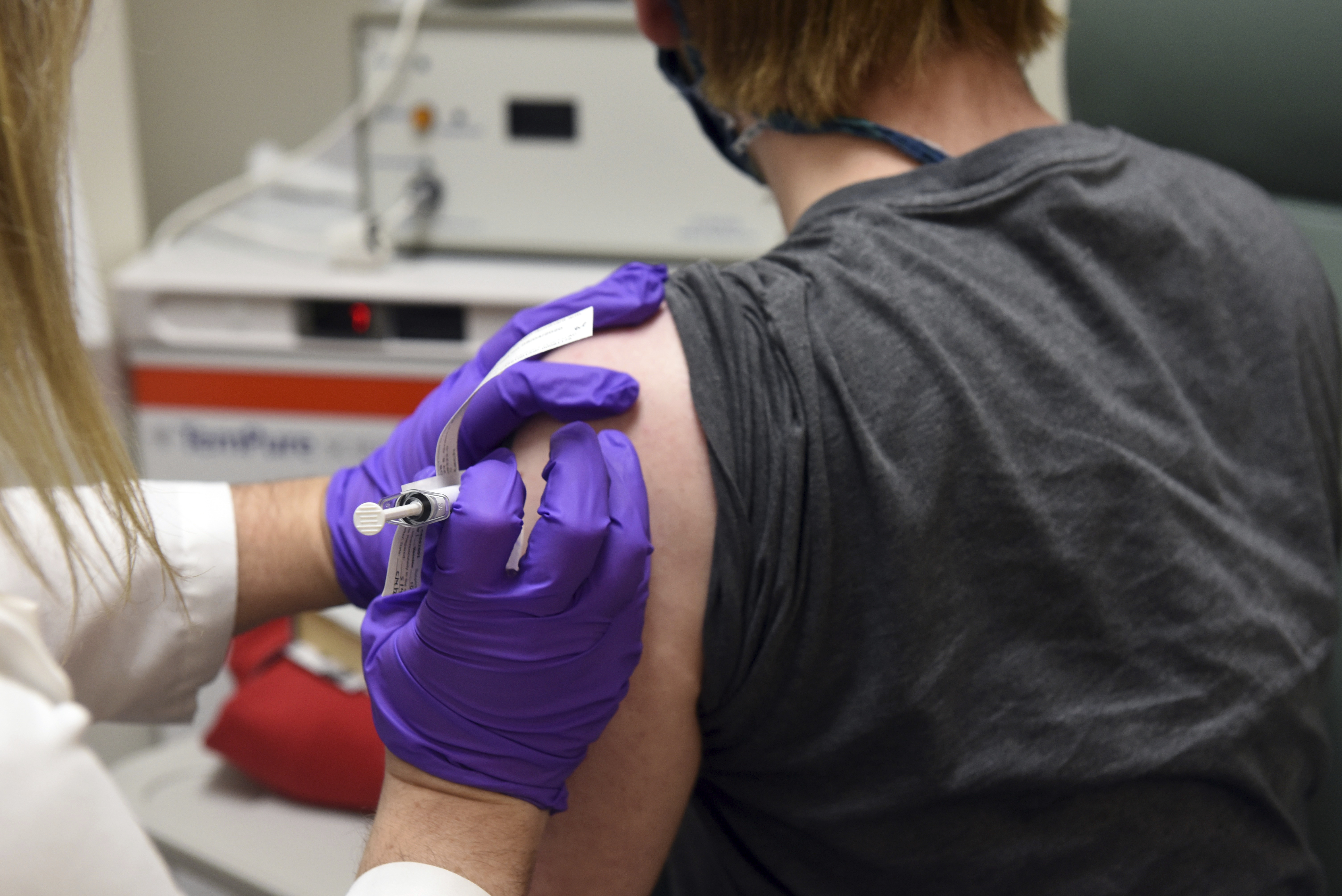


El éxito inicial de la vacuna que desarrolla la Farmacéutica Pfizer y la empresa de biotecnología BioNTech generó entusiasmo en Costa Rica, pues el país negoció 3 millones de dosis que beneficiarían a 1,5 millones de personas.
Sin embargo, aun si demostrara su eficacia –que por ahora se considera en 90%– llegara a aprobarse y se trajera al país, habrá que enfrentar un reto muy grande: la temperatura de almacenamiento para preservar sus propiedades.
Normalmente, las vacunas que se aplican en alrededor del mundo se mantienen a temperaturas que oscilan entre los 2° C y los 8° C. Sin embargo, esta vacuna experimental contra covid-19 requiere permanecer a -70° C, cerca de diez veces menos. Esto implica la necesidad de congeladores especiales para transportarla y guardarla.
“Ningún país en el mundo ni ningún sistema de salud está listo para manejar esas vacunas, porque para ello se necesita tener un almacenaje que hasta hoy no ha sido requerido. Si los países van a utilizar esas vacunas, sí deben prepararse para tener una cadena de frío mucho más fría que la que se tiene hoy”, señaló la mañana de este miércoles Jarbas Barbosa, subdirector de la Organización Panamericana de la Salud (OPS).
“Estamos en un proceso de diálogo con algunas instituciones financieras para ver si se pueden fortalecer las cadenas de frío de los países. Cualquier país del mundo va a necesitar hacer ese tipo de cambio que podría requerir nuevos almacenes para tener la capacidad de guardar las vacunas”, añadió.
Hay una buena noticia: este tipo de congelación ya no sería necesario en los lugares de vacunación, porque sí pueden permanecer durante cinco días en las temperaturas usuales de las vacunas. El desafío sería en los almacenes y en el transporte.
Además, la empresa podría facilitar algunas condiciones.
“El productor informó hace algunos días en una reunión que tuvimos con ellos, de que están desarrollando equipos más pequeños para el transporte”, afirmó Barbosa.
CCSS y Salud alistan logística
¿Cómo se prepara Costa Rica para una eventual llegada de esta vacuna? ¿Ya se está gestionando la logística y los implementos necesarios para no romper esa cadena de frío y preservar las características de la inyección?
La Nación consultó con el Ministerio de Salud y la Caja Costarricense de Seguro Social (CCSS).
Salud aún no da detalles.
“En conjunto con la CCSS se trabaja en la logística para la campaña de vacunación contra la covid-19, oportunamente estaremos brindando más detalles sobre la misma”, señaló la oficina de prensa a través de un correo electrónico.
Roy Wong McClure, epidemiólogo de la Subárea Vigilancia Epidemiológica de la CCSS, confirmó que la preservación de la cadena de frío es uno de los aspectos en los que se trabaja en la logística previa a la llegada de una eventual vacuna contra covid-19.
“Está todo un equipo de diversas instituciones: el Ministerio de Salud, la CCSS, el Ministerio de Relaciones Exteriores, que han venido trabajando en los requerimientos, fundamentalmente del mantenimiento de la cadena de frío”, recalcó Wong.
El especialista indicó que se han establecido diversos escenarios de almacenaje y distribución en dos vías:
1. Preservar que el biológico (el ARNm de la vacuna) cuente con las características de almacenamiento que garanticen su calidad.
2. Que la vacuna esté accesible oportunamente en el periodo contemplado, una vez que esté en el territorio nacional.
Para Román Macaya, presidente ejecutivo de la CCSS, una de las ventajas es que no todas las dosis llegarían a la vez.
“No vamos a recibir todas esas dosis de un solo golpe. Esto estará dosificado. Mes a mes vamos a estar recibiendo cuotas de las dosis”, recalcó el jerarca.
LEA MÁS: (Video) Rusia da 92% de eficacia a su vacuna contra covid-19
¿Por qué tan baja?
La vacuna de Pfizer y BionTech utiliza un tipo de tecnología que hasta el momento no se encuentra en ninguna vacuna aprobada.
Esta técnica utiliza por primera vez en la historia de la vacunación el ARN mensajero o ARNm.
Esta sustancia es parte de todas nuestras células. Su principal misión es transferir información a una parte de la célula llamada citoplasma para que, con base en estos datos, se generen proteínas.
Cuando un virus ingresa al cuerpo, lo engaña, pues actúa como ARNm y pone al citoplasma a trabajar para él y crear las proteínas necesarias para que el virus se replique.
Con una vacuna, esta pondría al cuerpo a trabajar contra el virus.
Los científicos copian la información del virus y ese pedacito genético, su ARNm, se pone en la vacuna y codifica un antígeno (tipo de proteína) específico de la enfermedad. Una vez que la cadena de ARNm está dentro de las células del cuerpo, estas usan la información genética para producir el antígeno.
El asunto es que, para que las características del ARNm se preserven este debe estar a -70° C como máximo. Aunque puede subir a un máximo de 5° C durante cinco días antes de su aplicación, por lo que, en este caso, sí podría estar en refrigeración en los centros de salud.
El esquema de este producto es de dos dosis que se ponen con 21 días de diferencia. Esto representa una logística mayor para tener las segundas dosis cuando sean requeridas.
LEA MÁS: Especial: La covid-19 en Costa Rica
La carrera por una vacuna
FUENTE: OMS, PFIZER, SANOFI-PASTEUR, CDC, FDA, CLINICALTRIALS.GOV || w.s. / LA NACIÓN.
LEA MÁS: (Video) Maduro pronostica vacunación masiva contra covid-19 a partir de abril en Venezuela
De las diez vacunas que en este momento están en la tercera fase de ensayos clínicos, dos tienen esta tecnología: la de Pfizer y BioNTech y la de la compañía de biotecnología estadounidense Moderna. Costa Rica también negocia la adquisición de vacunas con esta empresa.
“Ni áreas rurales ni las áreas urbanas de ciudades del mundo más grandes están preparadas. Pero, mientras tanto, los países deben prepararse para adquirir los equipos de almacenamiento y transporte, o tomar decisiones de si más bien es mejor optar por otra opción de vacuna”, evidenció Barbosa.
No obstante, nuestro país también está en conversaciones con otras compañías cuyos productos no requieren de estas condiciones de cadenas de frío. Según anunció en setiembre pasado Daniel Salas, ministro de Salud, estas otras compañías son AstraZeneca, Sinovac, Sinofarm y el desarrollo del Instituto Gamaleya de Rusia, Sputnik V.
Colaboró la periodista Ángela Ávalos
LEA MÁS: UE prevé llegada de primeras vacunas contra covid-19 a inicios del 2021