Humanos estamos llevando a la extinción a un millón de especies, pero aún hay tiempo para un cambio
Informe de ONU plantea un panorama sombrío para el futuro de la humanidad, que depende de la naturaleza para respirar, beber, comer, calentarse e incluso curarse
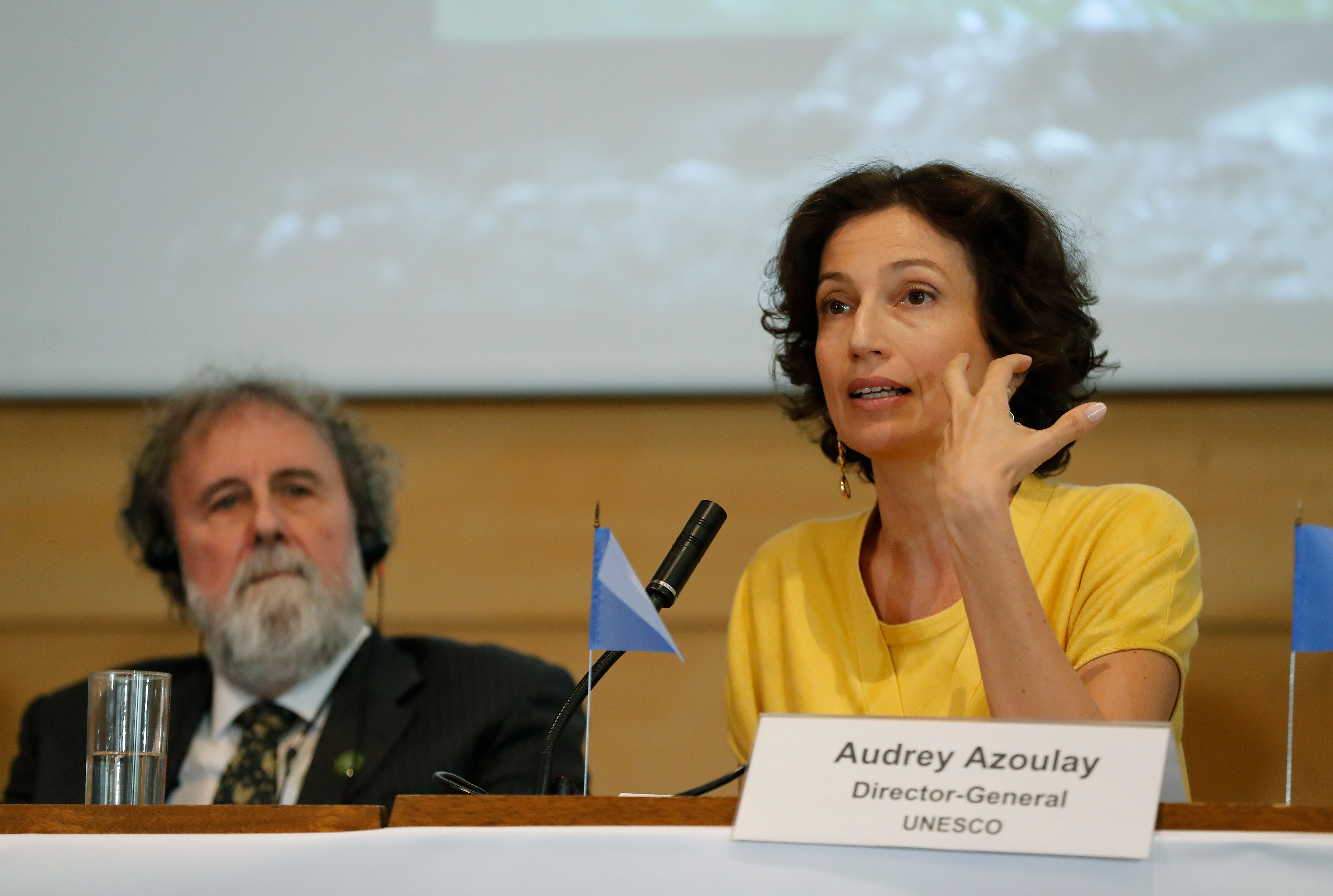
UNESCO's French general director Audrey Azoulay speaks during the presentation of the report of the Intergovernmental Science-Policy Platform on Biodiversity and Ecosystem Services (IPBES) in Paris on May 6, 2019. - A landmark UN report on the state of Nature released on May 6 shows how humanity has wreaked havoc on the environment, undercutting Earth's essential life-support systems. (Photo by FRANCOIS GUILLOT / AFP) FRANCOIS GUILLOT
La directora general francesa de la UNESCO, Audrey Azoulay, habla durante la presentación del informe de la Plataforma Intergubernamental de Ciencia y Política sobre Biodiversidad y Servicios de los Ecosistemas (IPBES, por sus siglas en inglés). El documento, muestra cómo la humanidad ha causado estragos en el medio ambiente, socavando los sistemas esenciales de soporte vital de la Tierra. Foto: AFP (FRANCOIS GUILLOT/AFP)
Un millón de especies están amenazadas de extinción y el ritmo se acelera, según un informe de la Organización de Naciones Unidas (ONU), que conmina a un “cambio profundo” de la sociedad para reparar el daño a la naturaleza.
En este texto sin precedentes publicado el lunes, el grupo de expertos de la ONU sobre biodiversidad (IPBES) plantea un panorama sombrío para el futuro del ser humano, que depende de la naturaleza para respirar, beber, comer, calentarse e incluso curarse.
"Estamos erosionando los fundamentos mismos de nuestras economías, nuestros medios de subsistencia, la seguridad alimentaria, la salud y la calidad de vida en todo el mundo", alertó Robert Watson, presidente del IPBES.
Deforestación, agricultura intensiva, sobrepesca, urbanización galopante, minas... el 75% del entorno terrestre está "gravemente alterado" por la actividad humana, mientras 66% del marino también está afectado.
Planeta en cifras rojas
La acción humana ha golpeado los ecosistemas de forma muy fuerte; hay tiempo para recuperarse, pero debe actuarse ya.
FUENTE: IPBES. || w. s. INFOGRAFÍA / LA NACIÓN.
Sexta ‘extinción masiva’
El resultado: un millón de especies animales y vegetales, de los ocho millones estimados en la Tierra, están amenazadas de extinción y muchas podrían desaparecer “en las próximas décadas”.
Una constatación de acuerdo con lo que muchos científicos describen desde hace años: el inicio de la sexta "extinción masiva" - un término no mencionado en el informe - y la primera de la que el hombre es responsable.
Pero también sería “la primera que podría frenarse si actuamos de forma decisiva ahora”, según Mark Tercek, presidente de la organización no gubernamental Nature Conservancy.
"No es demasiado tarde para actuar, pero hay que empezar ahora", y mediante un "cambio profundo" de nuestra sociedad, dijo Watson.
Pero, según Watson, “los gobiernos deben pensar más allá del Producto Interno Bruto (PIN) como medida de la riqueza e incorporar otras formas de capital”, como el natural, el social y el humano, pese a las resistencias de a quienes les “interesa el status quo”, por ejemplo, en los sectores agrícola y energético.
El informe en el que trabajaron 450 expertos durante tres años identifica a los cinco principales responsables por este orden: el uso de tierras (agricultura, deforestación), explotación directa de recursos (pesca, caza), cambio climático, contaminaciones y especies invasivas.
El cambio climático podría ascender en esta escala, agravando los otros factores, si bien algunas acciones para reducir las emisiones de gases de efecto invernadero podrían aportar beneficios directos a la naturaleza.
Primer objetivo: el sistema agroalimentario
Alimentar a 10.000 millones de personas en el 2050 de forma “sostenible” implica una transformación de la producción agrícola (agroeocología, mejor gestión del agua) pero también en los hábitos de consumo (régimen alimentario), según el informe.
"Aplaudimos este llamamiento a un cambio de los regímenes alimentarios, hacia una dieta que se base más en los alimentos de origen vegetal para reducir el consumo de carne y de productos lácteos, cuyos impactos negativos sobre la biodiversidad, el cambio climático y la salud humana son de sobra conocidos", dijo Eric Darier, de Greenpeace.
Sin embargo, en el texto final del IPBES no hay un llamamiento directo a comer menos carne, lo que indica probablemente que algunos países productores se opusieron a esta mención.
Compromisos y reclamos
Los Estados miembros del Convenio de la ONU sobre la Diversidad Biológica (COP15) se reunirán en 2020 en China y los defensores del medioambiente esperan que adopten un marco de actuación ambicioso hasta 2050 para preservar el planeta.
Los ministros de medioambiente del G7 y otros países reunidos en Francia adoptaron el lunes una “carta para la biodiversidad” en la que se comprometen a luchar contra la erosión de la naturaleza mediante “acciones concretas”.
En una carta abierta a los gobiernos del mundo, centenares de expertos y personalidades como Jane Goodall y Marion Cotillard reclamaron el lunes el fin de las "financiaciones que destruyen la naturaleza". "Debemos cambiar radicalmente la manera en que vivimos", escribieron en este llamamiento bautizado Call4Nature.
Entre las soluciones barajadas por el IPBES para mejorar la "sostenibilidad" del sistema económico, destacan desde la instauración de cuotas de pesca "eficaces" hasta alejarse del dogma del crecimiento.
"El objetivo debe ser la calidad de vida y no el crecimiento económico", indica a la AFP uno de los principales autores, Eduardo Brundizio.
Puesto que el hombre depende de la naturaleza, ¿está también condenado a desaparecer?
“Seguramente no” y aún menos a corto plazo, responde uno de los otros autores, Josef Settele. “Pero no solo queremos sobrevivir. Es la principal posición de este informe”, según Brundizio.