Las características de la variante ómicron obligan a repensar las políticas públicas de prevención y tratamiento
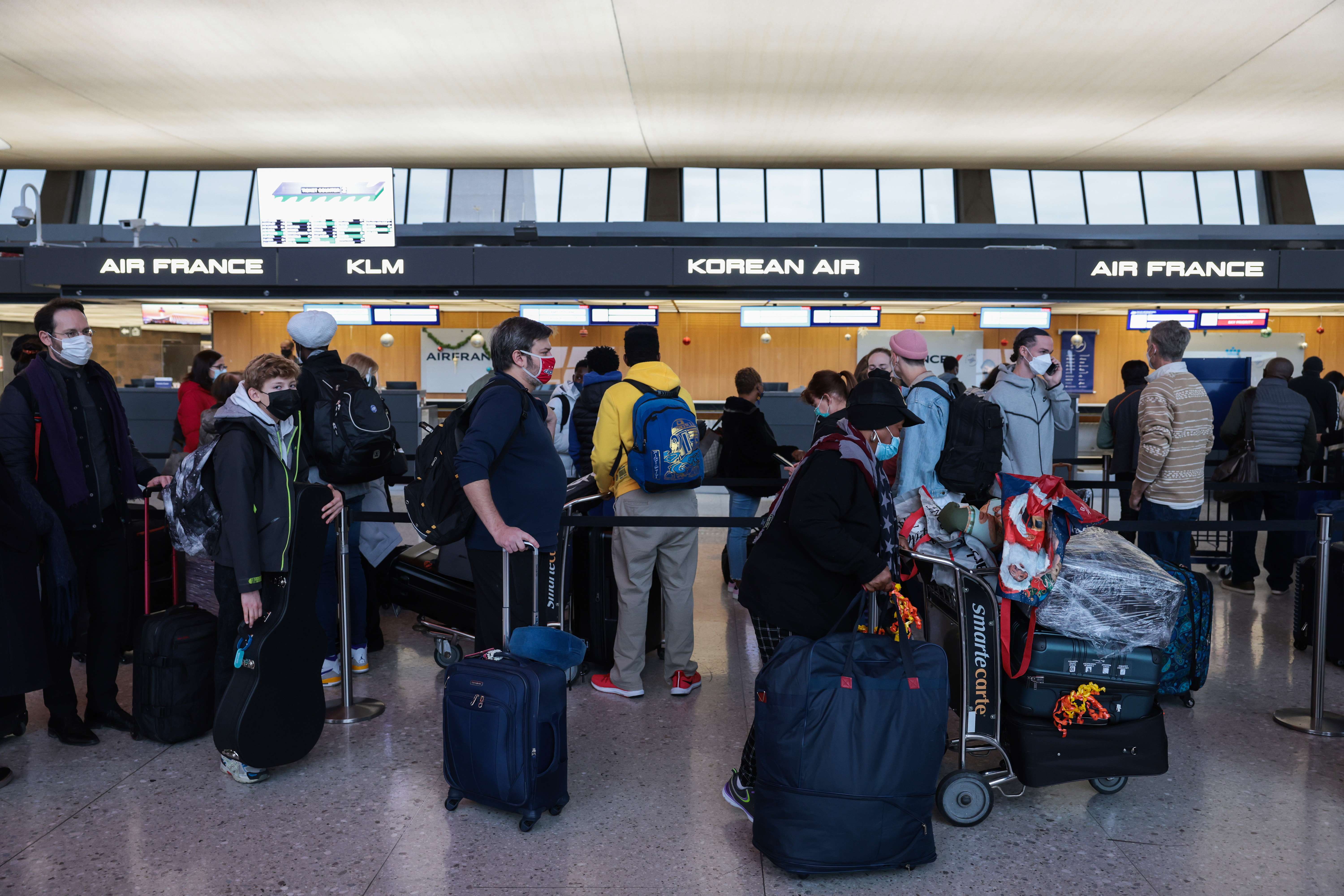
DULLES, VIRGINIA - DECEMBER 27: Passengers wait in line to check in for their flights at the Dulles International Airport on December 27, 2021 in Dulles, Virginia. According to media reports, at least 2,600 more flights were canceled Monday amid the surge in coronavirus cases, which have affected the staff within airlines. Anna Moneymaker/Getty Images/AFP
== FOR NEWSPAPERS, INTERNET, TELCOS & TELEVISION USE ONLY == Anna Moneymaker
La variante ómicron se extiende con celeridad por el planeta. A igual velocidad se consolidan los indicios tempraneros de la relativa levedad de sus síntomas, especialmente entre la población vacunada. La nueva versión del coronavirus se contagia con facilidad, pero es menos propensa a causar enfermedad grave, hospitalización y muerte.
Esas características obligan a repensar las políticas públicas de prevención y tratamiento. Ómicron, a fuerza de su capacidad de contagio, podría poner a prueba el sistema hospitalario.
La variante afecta a tantas personas que, si bien el número de enfermos necesitados de atención es porcentualmente menor, puede resultar mucho mayor en términos absolutos, sobre todo considerando los amplios sectores de población no vacunada.
En muchos países, como Estados Unidos, las autoridades comienzan a fijarse menos en el número de casos y más en las hospitalizaciones y muertes. En consecuencia, impulsan con renovados bríos la vacunación y la prueba de haberla recibido para ingresar a espacios públicos cerrados.
Ómicron es capaz de burlar los anticuerpos, pero no las otras líneas de defensa construidas por las vacunas, como las células T. Ese es uno de los motivos por los cuales en lugar de contar el número de infectados, como hasta hace poco hacían con minuciosidad, ahora las autoridades ponen el énfasis en asegurarse de que el contagio no conduzca a la hospitalización y mucho menos a la unidad de cuidados intensivos.
A la posible cantidad de pacientes necesitados de atención se suma el temor por la escasez de personal para atenderlos debido a la enfermedad misma. Una variante tan contagiosa tiene potencial para diezmar al personal hospitalario que, incluso en casos asintomáticos o muy leves, debe aislarse para no contagiar a los demás.
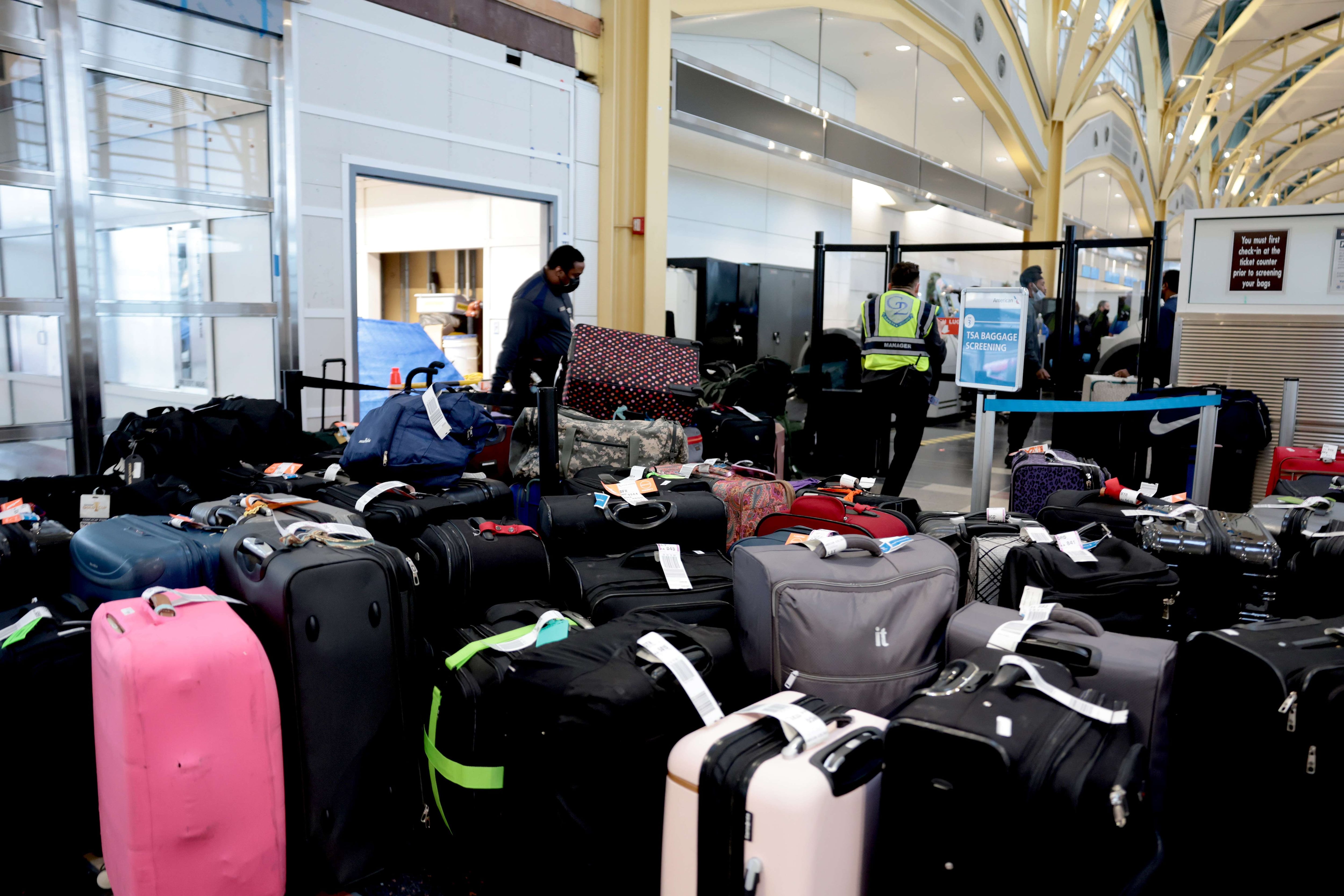
El efecto ya se ha hecho sentir en otras naciones, y es similar a las disrupciones ocurridas en otros ámbitos, entre los cuales destaca la aviación comercial. Miles de vuelos han sido cancelados en el mundo por falta de pilotos y personal de servicio, a consecuencia del aislamiento y la convalecencia. En varias capitales europeas, bares y restaurantes han cerrado por el mismo motivo, ya no por restricciones gubernamentales.
Preocupados por evitar la parálisis y sus daños económicos, muchos países aprovechan las características de ómicron, incluida su tendencia a desarrollarse y desaparecer con mucha mayor rapidez, para acortar los períodos de aislamiento. En buena parte de Europa, la cuarentena es de siete días desde el primer síntoma o la prueba positiva. En Estados Unidos, es de cinco días.
La agilización del regreso al trabajo se acopla con medidas pensadas para mantener las operaciones aun en caso de contagio de una parte del personal.
Empresas donde cierto número de empleados desempeñan una función vital organizan turnos de trabajo para que esos funcionarios no coincidan nunca. Si tienen, por ejemplo, la posibilidad de mantener a algunos en régimen de teletrabajo mientras sus similares brindan servicio presencial, no dejan de hacerlo.
En Costa Rica ómicron todavía no se manifiesta como lo ha hecho en otras naciones, pero la rapidez del contagio no augura mucho tiempo para ajustar las políticas públicas y empresariales al nuevo reto.
El período de aislamiento es todavía de diez días y pocas compañías e instituciones disponen de planes actualizados para asegurar la continuidad de las operaciones.
Por otra parte, sigue pendiente el perfeccionamiento del sistema QR y es preciso mejorar la información sobre la pandemia y sus cambiantes características.
Miles de vuelos han sido cancelados en el mundo por falta de pilotos y personal de servicio, a consecuencia del aislamiento y la convalecencia. (Anna Moneymaker/AFP)