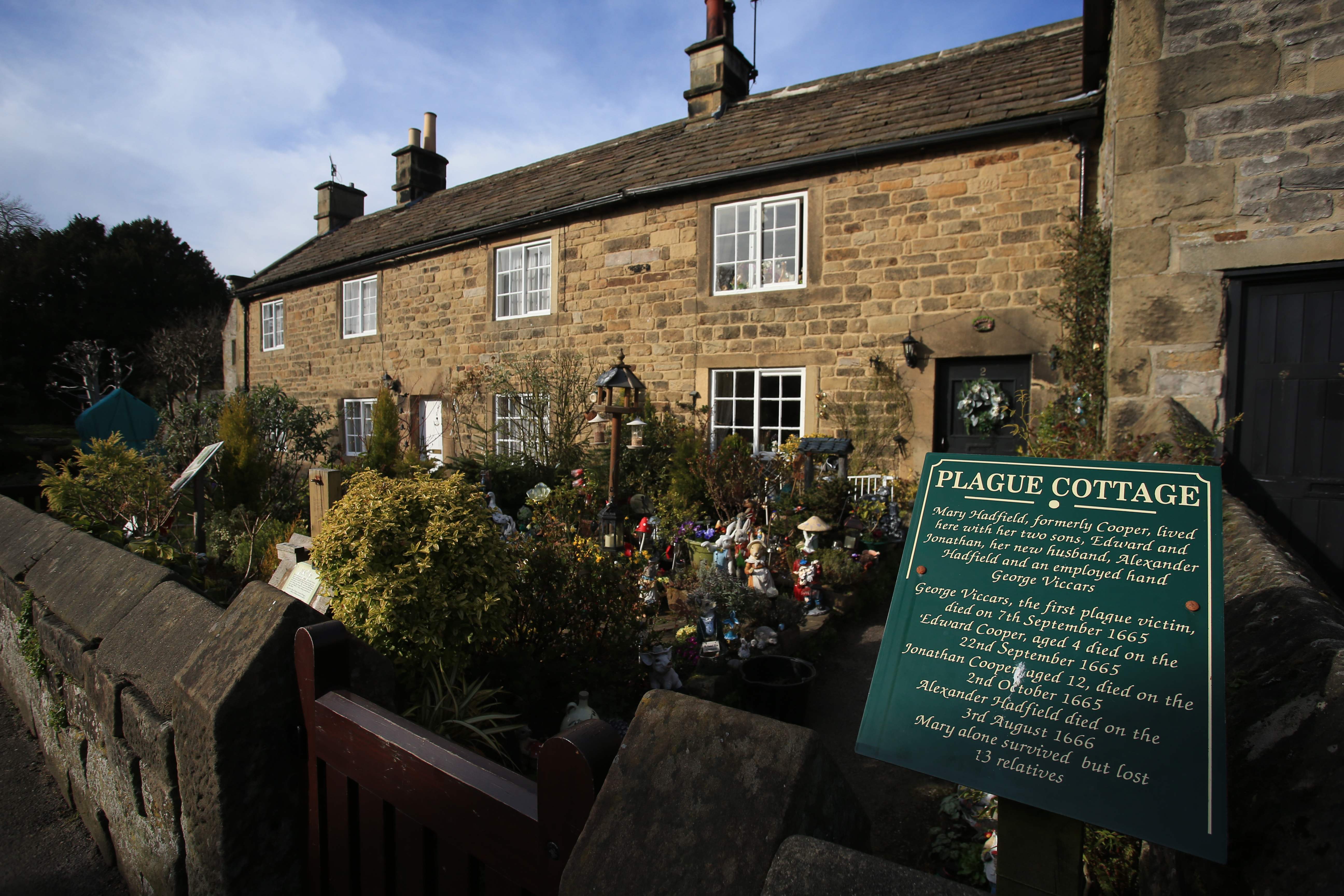
Eyam, Inglaterra. En el siglo XVII, los habitantes de Eyam frenaron el avance de la peste poniéndose en estricta cuarentena. Ahora, en plena pandemia del coronavirus, este pueblo del centro de Inglaterra se inquieta ante la llegada de visitantes que ignoran las consignas.
Bajo un radiante sol primaveral, el pasado fin de semana muchos británicos se acercaron hasta este pequeño municipio de mil habitantes situado en el parque nacional de Peak District.
Pero la concejala Claire Raw, en reflejo de la ira de algunos habitantes por las llegadas inopinadas, instó a los visitantes a volver por donde habían venido.
“Tenemos que proteger nuestras zonas residenciales, donde la edad de la población es mayor que la media”, expresó. “Todos tenemos que comportarnos de manera responsable”, agregó.
Debido a la pandemia, el museo que traza la historia de este "pueblo de la peste", con 30.000 visitantes cada año, decidió no reabrir sus puertas tras las vacaciones invernales.
More than 350 years ago, the village of Eyam quarantined itself to stop the spread of the plague - now it’s using those lessons about humanity to come together to face coronavirushttps://t.co/nKM2UyBUHf pic.twitter.com/TXfwRlCrTN
— BBC News (UK) (@BBCNews) March 21, 2020
Y es que más de la mitad de sus voluntarios tienen más de 70 años.
En 1665, la peste bubónica llegó a esta localidad desde Londres, 250 km más al sur, llevada por unas pulgas en las telas compradas por el sastre local.
Con los meses, la plaga mató a docenas de personas.
Aldea enclaustrada
Entonces, el rector de la Iglesia de Eyam, William Mompesson, con la ayuda de su predecesor Thomas Stanley, logró convencer a los feligreses de confinar completamente la aldea para luchar contra la enfermedad.
“Eso fue antes de la ciencia y el progreso médico”, dijo el actual reverendo Mike Gilbert, él mismo en cuarentena porque su esposa tiene síntomas que podrían corresponder al covid-19.
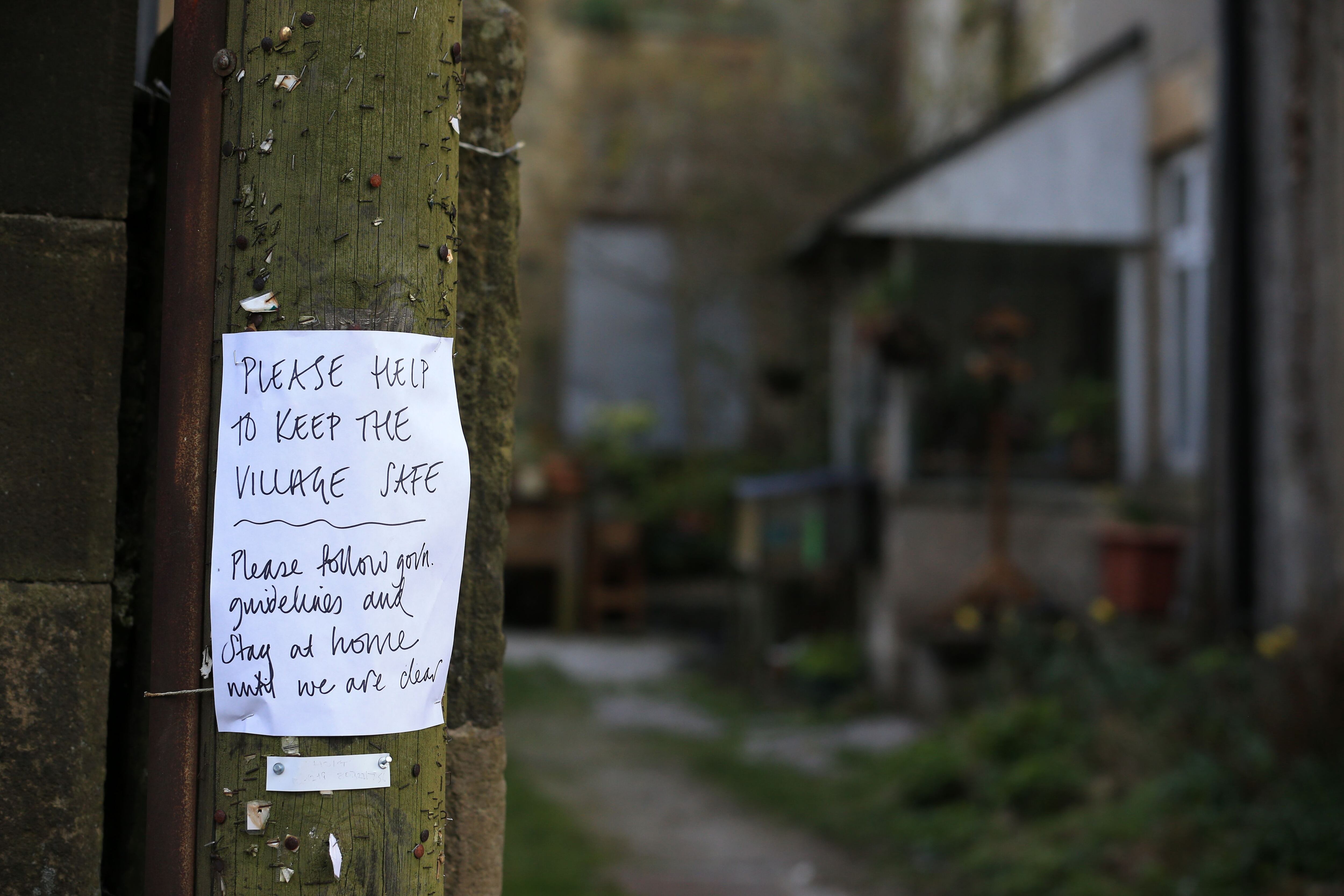
Gracias a su “conocimiento popular”, los aldeanos “sabían lo que tenían que hacer”, afirmó.
El confinamiento duró seis meses y los aldeanos establecieron un sistema para cortar todo contacto con el mundo exterior, pero no el comercio: en una gran roca con orificios situada a las afueras del pueblo dejaban monedas empapadas en vinagre, el único desinfectante conocido en la época. Los aldeanos de los alrededores les dejaban comida.
“Todo lo que decidieron hacer fue muy efectivo”, manifestó la historiadores Francine Clifford.
"Pero pagaron el precio": en 14 meses murieron unos 260 vecinos, una proporción considerable de la población de Eyam, estimada en hasta 800 habitantes antes de la plaga.
Sin embargo, para noviembre de 1666, la enfermedad había desaparecido y su confinamiento había impedido que se propagara más al norte.
“Se sacrificaron y funcionó”, destacó Joan Plant, de 73 años, descendiente de uno de los supervivientes.
“Aunque el número de víctimas fue terrible, la mayoría de gente sobrevivió”, señaló el reverendo Gilbert, “lo superaron y la vida comenzó de nuevo”.
En ese momento, la iglesia estaba cerrada para luchar contra la peste, pero los fieles se reunían fuera para rezar, a unos tres metros unos de otros.
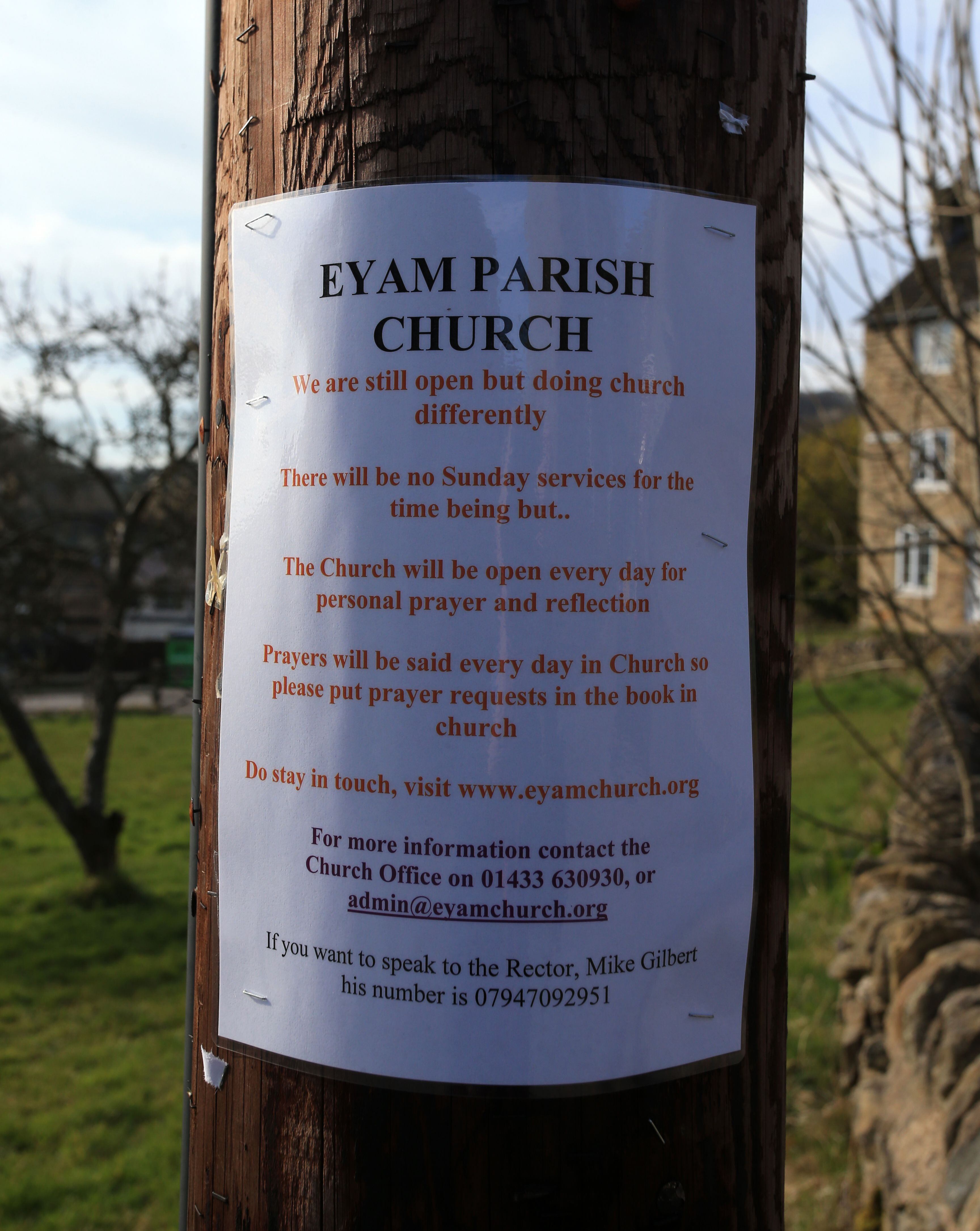
Hoy el edificio está cerrado a las misas para prevenir la propagación del virus y solo pueden entrar los feligreses que quieran rezar a solas.
Pero los servicios religiosos encuentran refugio en Internet. Desde el inicio de su cuarentena, Gilbert cuelga videos en Facebook y los feligreses se dan ánimos por videoconferencias.
“Los lazos son fuertes entre las personas, como lo eran hace 350 años”, resaltó el reverendo. “La gente de aquí no es diferente a la de otros lugares. Hay preocupación, hay miedo”, pero también “mucho amor y apoyo”, añadió.

En estos tiempos de crisis, "vemos lo peor y lo mejor de la humanidad".
Al vencer a la peste, “un pequeño pueblo en el norte de Derbyshire hace 350 años marcó la diferencia”, afirmó Plant. “Si funcionó hace 350 años, y hacemos lo que tenemos que hacer, funcionará de nuevo en el 2020”.