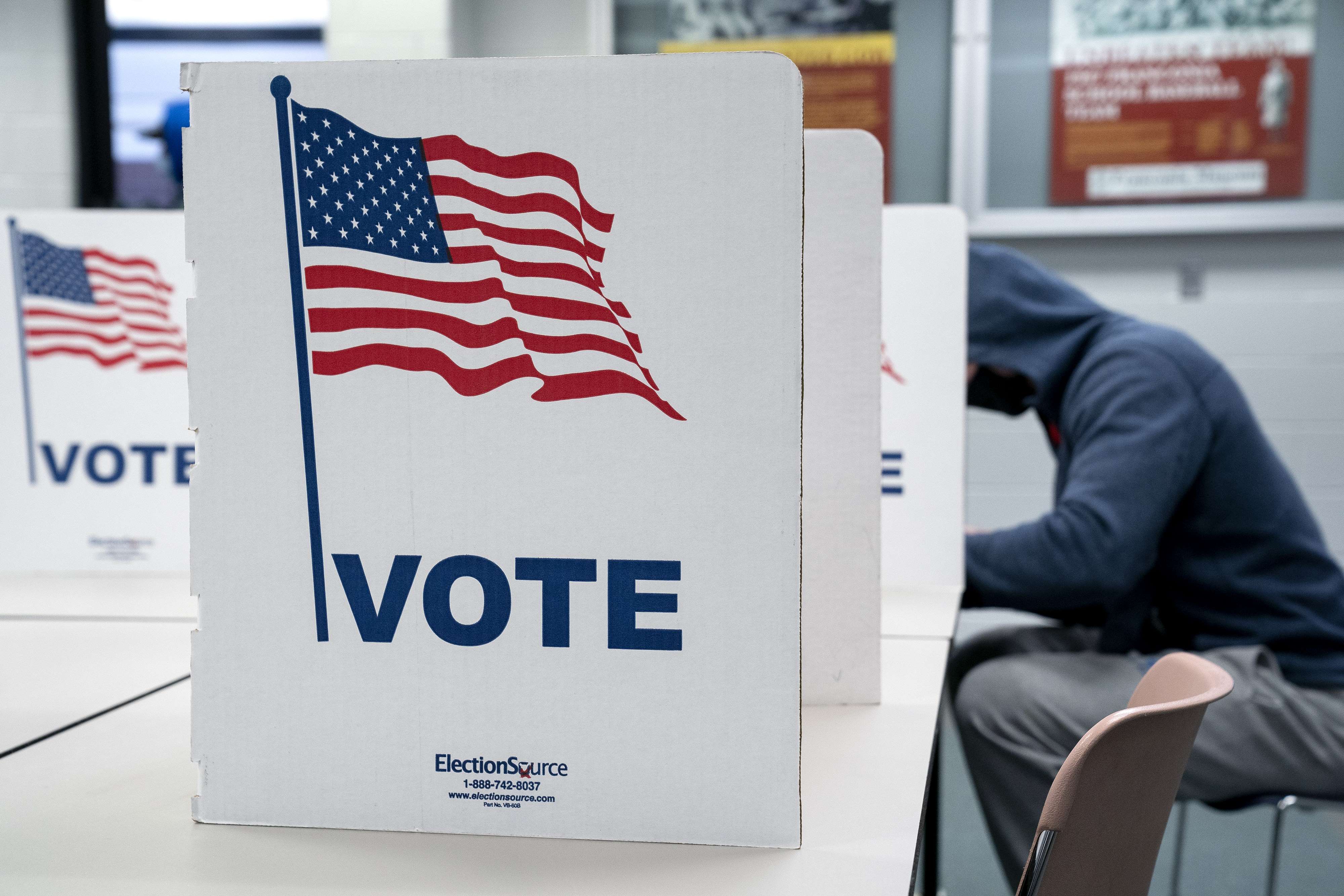

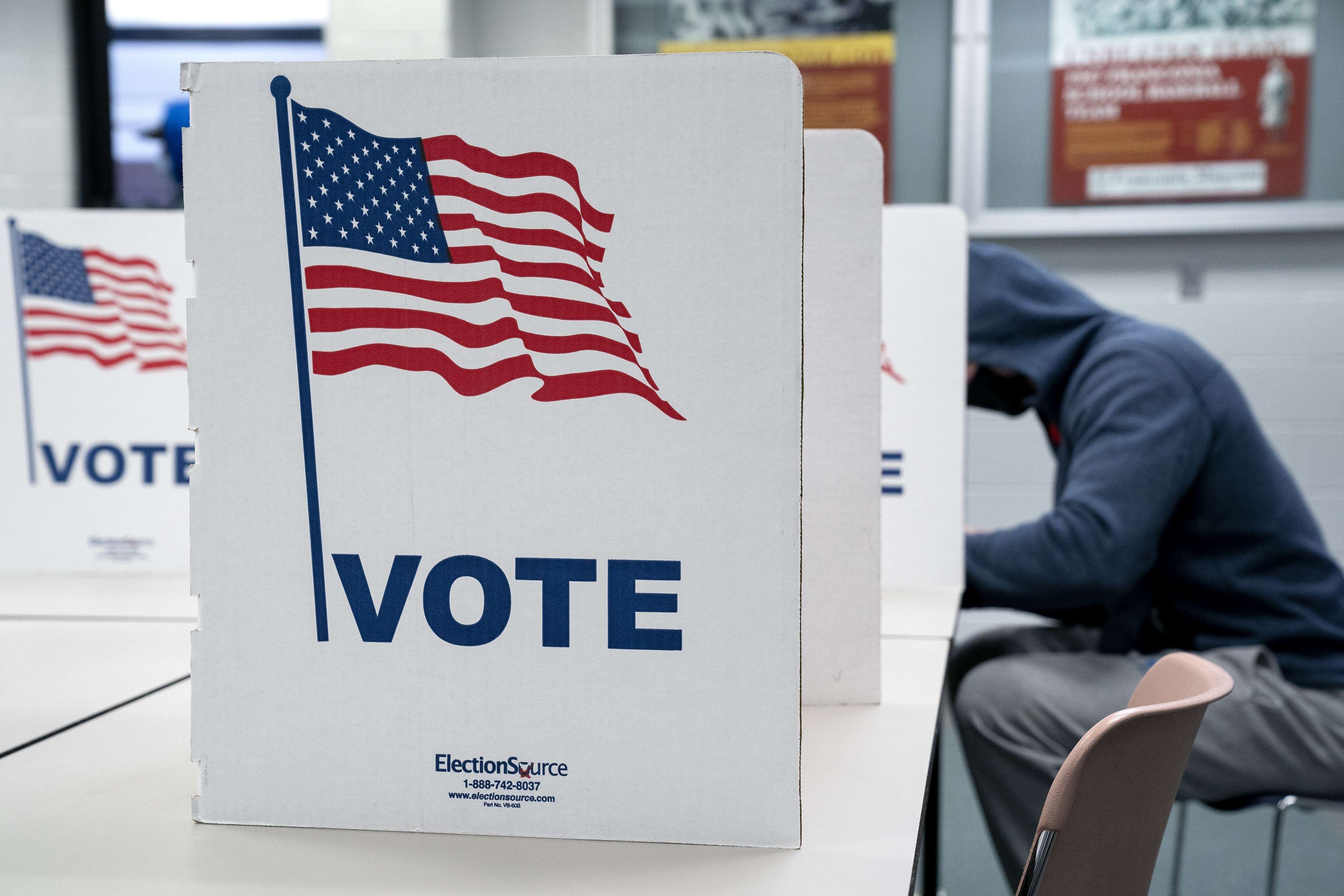
Este 3 de noviembre, en Estados Unidos se elegirá presidente usando un fósil institucional consistente en un sistema de elección por el cual el ganador, en ocasiones, es el candidato con menos votos directos.
Eso le sucedió en el 2016 a la entonces candidata demócrata, Hillary Clinton, quien obtuvo casi tres millones de votos más que el presidente actual, Donald Trump (un margen de más de dos puntos porcentuales) y de todos modos perdió debido a menos de 80.000 votos en tres estados.
El día antes de las elecciones las probabilidades de que algo así vuelva a suceder son altas.
Luego de más de dos siglos de vigencia, sustituir el llamado Colegio Electoral es prácticamente imposible por las dificultades para lograr el consenso político en el país que permita enmendar la Constitución.
El sistema permite que el sufragio de cada persona no tenga el mismo peso y todo depende del estado donde resida el votante.
Así, los electores de Estados Unidos escogen al mandatario de forma indirecta mediante el Colegio Electoral, una reliquia constitucional del siglo XVIII, como se llama a un grupo de grandes electores designados en cada estado.
El día de la elección, los ciudadanos votan indirectamente por su candidato a presidente, pero al final son los electores especiales del Colegio Electoral quienes, comprometidos con uno u otro candidato, emiten sus votos para los cargos de presidente y vicepresidente.
De esta forma, gana la presidencia cualquier aspirante con al menos 270 votos electorales de 538 disponibles entre todos los estados y el Distrito de Columbia (3), asiento de la capital federal.
La principal crítica al sistema es la desproporción de votos electorales reservada a estados de territorio pequeño que, en última instancia, diluye el valor de cada voto individual.
Por ejemplo, Nueva Jersey tiene 15 votos electorales pese a ser un estado geográficamente más pequeño que Nuevo México, con cinco.
Esta distorsión ya fue evidente en el 2000, cuando el candidato republicano, George W. Bush, venció al contendiente demócrata, Al Gore, con menos votos en todo el país.
Bush, sin embargo, ganó estados que asignan grandes cantidades de votos electorales pues tienen mayor población.
En 1787, los fundadores de Estados Unidos optaron por esta forma de elección indirecta porque, entre otras razones, la directa era impensable por la extensión del país, que impedía a los votantes juzgar adecuadamente a los candidatos, afirma Eduardo Andrade, político y jurista mexicano, investigador del tema.
En su libro Deficiencias del sistema electoral norteamericano, Andrade añade que otro argumento a favor del Colegio Electoral en aquella época era el temor a que, en una elección directa, los estados más poblados tendrían más ventaja y, aliados a favor de un individuo, podían controlar la elección.
Casi imposible cambio
Siempre en cada elección en Estados Unidos decenas de analistas comentan que la idea de cambiar el sistema tiene cierto apoyo. No obstante, lograrlo es otra historia.
“No sé ustedes, pero esto me enoja mucho. Sí, soy consciente de que Estados Unidos nunca ha elegido a su presidente por voto popular directo; escribí un libro completo al respecto. Todavía no puedo entender por qué, en una democracia representativa basada en el principio de que todos los votos son iguales, la persona que gana la mayor cantidad de votos puede perder las elecciones más importantes del país”.
Así se quejaba Jesse Wegman, autor del libro Que el pueblo elija al presidente: el caso de la abolición del Colegio Electoral en una reciente columna en el diario The New York Times sobre esa dificultad para ajustar el sistema de elección.
David Dublin, profesor de Política en la Escuela de Asuntos Públicos de la Universidad Americana en Washington, ha dicho que, para enmendar la Constitución el Congreso debe aprobar la propuesta por mayoría de dos tercios, tanto de la Cámara de Representantes como del Senado.
Luego de esa etapa, dicha enmienda debe ratificarse por tres cuartas partes (38) de los estados en un país que ha cambiado su Constitución menos de 30 veces desde 1787 y de las cuales, la diez primeras enmiendas (la Declaración de Derechos) se aprobaron pocos meses después de la ratificación del documento original.
Tan polémico es el sistema que hasta el propio presidente Dónald Trump está en desacuerdo.
“El Colegio Electoral es un desastre para una democracia”, tuiteó Trump la noche de las elecciones del 2012.
¿Por qué? Porque Trump en aquel momento creía que candidato republicano, Mitt Romney, ganaría el voto popular frente al entonces aspirante demócrata, Barack Obama (quien se impuso en la contienda) aunque perdería en el Colegio Electoral.
Ese año, Obama obtuvo 332 votos electorales y 51,1% del voto popular en comparación con 206 votos electorales y 47,2% del voto popular para Romney.
Desde entonces, Trump no solo nunca ha quitado ese tuit, sino que continúa afirmando que él mismo ganó el voto popular en la elección del 2016 (no fue así, obtuvo la presidencia porque conquistó 306 votos electorales y Clinton solo 232).