
Hasta este jueves, se ha confirmado la presencia de la variante ómicron del SARS-CoV-2, virus causante de la covid-19, en 63 países de todos los continentes. Estos son siete naciones más que 24 horas atrás.
Miles de científicos estudian en diferentes niveles su comportamiento: las mutaciones y lo que podrían significar; los brotes en diferentes comunidades y lo que representan; los síntomas y su intensidad; la eficacia de las vacunas y su funcionamiento, la efectividad de los tratamientos; el funcionamiento de las pruebas diagnósticas y el perfil de los pacientes, entre otras.
Por supuesto, conforma se estudia se tienen nuevos datos para dibujar el panorama, pero también surgen nuevas dudas. Especialistas de la Organización Mundial de la Salud (OMS) y de la Organización Panamericana de la Salud (OPS) manifestaron que en cuestión de días hay avances que permiten conocer mejor lo que sucede, pero en el camino surgen preguntas que deben responderse.
Maria Van Kerkhove, jefe técnica de covid-19 de la OMS, hace la analogía con un rompecabezas. Por ahora, dice, tenemos piezas que no estamos muy seguros de dónde encajan, cada vez tenemos más, y necesitamos ver cómo se juntan y la forma que van obteniendo. Faltan piezas por salir que nos irán dando información acerca de cómo unir las otras. “Tal vez las próximas piezas nos digan que algunas que habíamos juntado no van juntas, y que las que habíamos descartado si van a unirse”.
“Los científicos necesitan tiempo para hacer su trabajo. Debemos procurar no apurar conclusiones”, expresó Tedros Adhanom Ghebreyesus, director general de la OMS, quien pidió a los países compartir datos de sus investigaciones y casos.
Los especialistas recuerdan, además, que no se debe perder de vista que en este momento, la mayor parte de la pandemia sigue siendo de la variante delta.
La Nación recopiló las preguntas planteadas desde la detección de ómicron, el 24 de noviembre, así como las que han surgido más recientemente y los datos que se tienen hasta el momento.
LEA MÁS: Países ricos reciben advertencia de la OMS por acumulación de vacunas contra la covid-19
¿Cómo surgió ómicron?
¿Cómo se dieron tantas mutaciones (más de 50, 32 de ellas en la proteína espícula, la puerta de entrada a las células humanas) en tan poco tiempo? Peter van Heusden, bioinformático del Instituto de Bioinformática de Sudáfrica indica que hay tres posibles hipótesis y de momento ninguna se puede confirmar o descartar.
- Hubo un contagio de humano a animal, durante este tiempo el virus se replicó considerablemente y generó muchas mutaciones. Posteriormente, se volvió a contagiar de animal a humano con las nuevas mutaciones. Esto se conoce como zoonosis inversa.
- Una persona permaneció con una infección crónica durante mucho tiempo. En este tiempo, el virus tuvo muchas oportunidades de replicarse y generar mutaciones. Esto puede suceder en quienes tienen problemas inmunitarios. Esto no debe confundirse con la covid-19 prolongada. Una infección crónica implica que la persona tenía el virus durante mucho tiempo, mientras que en la covid-19 prolongada, la persona sigue con síntomas durante semanas o meses, pero se recupera del virus; el virus no se replica en el cuerpo porque ya no está.
- En realidad no hubo un avance dramático en mutaciones durante tanto tiempo. Se fueron sumando de forma paulatina durante semanas o meses en lugares donde la vigilancia genómica no es tan fuerte, entonces no se reportaron.
Durante un encuentro con periodistas internacionales, la mañana de este jueves, del cual La Nación fue parte, van Heusden confirmó la gran cantidad de mutaciones relacionadas con mayor transmisibilidad y posible evasión a la protección de vacunas, pero recordó que esto no quiere decir que tengan un efecto sumativo y que por lo tanto se transforme en una “supervariante”.
“Beta tiene la habilidad de evadir hasta cierto punto la respuesta de las vacunas, pero no era tan transmisible. Delta, al ser más transmisible, barrió con beta, pero delta no evade la respuesta de las vacunas. En ómicron hay mutaciones que dan habilidades para ambas, pero esto no quiere decir que vayan a desarrollarse ambas”, señaló.
LEA MÁS: Aplicación de terceras dosis contra covid-19 se amplía en Costa Rica
Mutaciones en la “puerta de entrada” del virus
FUENTE: Jose Arturo Molina, microbiólogo y doctor en bioestadística || INFOGRAFÍA / LA NACIÓN.
Proteína espícula, clave para la entrada del virus
FUENTE: Jose Arturo Molina, microbiólogo y doctor en bioestadística || INFOGRAFÍA / LA NACIÓN.
LEA MÁS: FDA autoriza refuerzos contra covid-19 para adolescentes de 16 y 17 años
¿Es más transmisible que delta?
Van Kerkhove recuerda que una cosa es lo que se observa en un laboratorio, según la genética del virus, y otra lo que sucede en la vida real. Las mutaciones de ómicron sí sugieren una transmisión mayor, y los casos en Sudáfrica y otros países van en aumento, pero esto necesariamente quiere decir que sea más transmisible que delta.
Adhanom Ghebreyesus aclaró en conferencia de prensa que en Sudáfrica ómicron sí aumenta rápidamente, pero fue detectada cuando la transmisión de delta era muy baja, por lo que había “poca competencia”, por eso es necesario estudiar lo que pasa en todo el mundo, para ver si ómicron puede desplazar a delta de la misma forma que delta lo hizo con las anteriores.

LEA MÁS: Pruebas ‘rápidas caseras’ de detección de covid-19 ¿por qué aún no se usan en el país?
¿Es mayor el riesgo de reinfección?
¿Las personas que ya se infectaron y recuperaron podrían volverse a contagiar? Según Adhanom Ghebreyesus, los datos que vienen de Sudáfrica indican que el potencial de reinfección sí es mayor, pero se necesitan más datos de más países para tener respuestas.
¿Las vacunas responden menos ante esta variante?
¿Las vacunas dejarán de funcionar? ¿Harán falta refuerzos? Esta es una de las mayores preocupaciones. Las mutaciones sugieren que esta variante tiene “habilidades especiales” para burlar los anticuerpos ya generados por las vacunas. Pero una cosa es lo visto en un laboratorio y otra la vida real.
Soumya Swaminathan, científica en jefe de la OMS, se refirió a los estudios de la farmacéutica Pfizer que indican que una tercera dosis de su producto protege contra ómicron. También habló de dos estudios realizados en Sudáfrica con personas vacunadas que se infectaron.
“Un estudio solo no demuestra nada. La vacuna no solo se mide en cantidad de anticuerpos. También están las células de defensa, esas son parte vital de nuestra respuesta, y esos estudios no las miden. Es prematuro decir que las vacunas no sirven, no podemos sacar conclusiones de eso”, aseveró.
LEA MÁS: Dosis de refuerzo contra covid-19 es ‘segura y eficaz’ tres meses después de última inoculación
¿Sus síntomas son más leves?
Esta es una de los aspectos en los que los especialistas piden más cautela. Hasta el momento sí se ha visto que los síntomas son más leves y las hospitalizaciones son menores, pero este apenas es “el inicio del partido y las cosas pueden cambiar”, resumió Mike Ryan, jefe de emergencias de la OMS. Para él, no todo virus más transmisible es más leve.
Van Kerkhove agrega: “tenemos información anecdótica, de momento. No disponemos de estudios reales. Hay un trabajo excelente en pacientes hospitalizados, pero hace falta más, es muy preliminar”.
El infectólogo de la Clínica Mayo, Vincent Rajkumar, recalca que, aunque las manifestaciones sean más leves, si se comprueba que es ómicron es más transmisible esto tampoco es buena noticia, por más leve que sean los síntomas “una transmisión mayor hará que más personas enfermen, un porcentaje más bajo de un número más grande de infectados podría aumentar la demanda en cuidados intensivos”.
Ryan señala que si se baja la guardia con el pretexto de que la enfermedad es más leve, esto daría espacio a más transmisión y con ello a más presión hospitalaria, porque siempre hay personas con factores de riesgo que pueden ser muy vulnerables.
Además, síntomas más leves no necesariamente quieren decir que la variante sea más inofensiva en sí misma. En declaraciones a The Financial Times, Richard Lessells, especialista en enfermedades infecciosas y quien ha atendido casos de ómicron en Sudáfrica, indicó que estas manifestaciones leves podrían no deberse a que el virus se esté haciendo menos virulento, podrían deberse a que quienes se infectan ya tienen de previo protección porque se habían infectado anteriormente o porque estaban vacunados, y esto hace que la evolución sea más favorable.
Sylvain Aldighieri, gerente de incidente de covid-19 de la OPS, apuntó también que la mayoría de personas infectadas hasta el momento con ómicron han sido adultos jóvenes, los cuales usualmente tienen una enfermedad más leve.
LEA MÁS: China aprueba un tratamiento contra el covid-19
¿Podría echar los esfuerzos de control de la pandemia por la borda?
No. Esto no es regresar al inicio de la pandemia. Se tienen conocimientos, se tiene inmunidad generada por vacunas y por infección natural, se tiene ya un camino recorrido por lo que buscar respuestas y atenderlas es más fácil.
¿Cómo protegernos?
LEA MÁS: Por primera vez en 17 meses, no se registran muertes por covid-19
Para Adhanom Ghebreyesus hay dos niveles de acción: los que pueden dar los países y los sistemas de salud, y los que pueden dar los ciudadanos. El primero debe guiar al segundo, pero ambos son imprescindibles.
“Si los países esperan a que se llenen las camas de los hospitales es demasiado tarde. No esperen, actúen ya”, subrayó el jerarca.
Los gobiernos deben revisar y reevaluar sus planes nacionales, acelerar las coberturas de vacunas en poblaciones vulnerables, intensificar los niveles para mantener baja la transmisión. Además, implementar más vigilancia genómica para detectar variantes, y mejorar las campañas de detección.
A nivel de personas, la forma de transmisión no ha cambiado, por lo tanto, la forma de cuidarnos sigue siendo la misma.
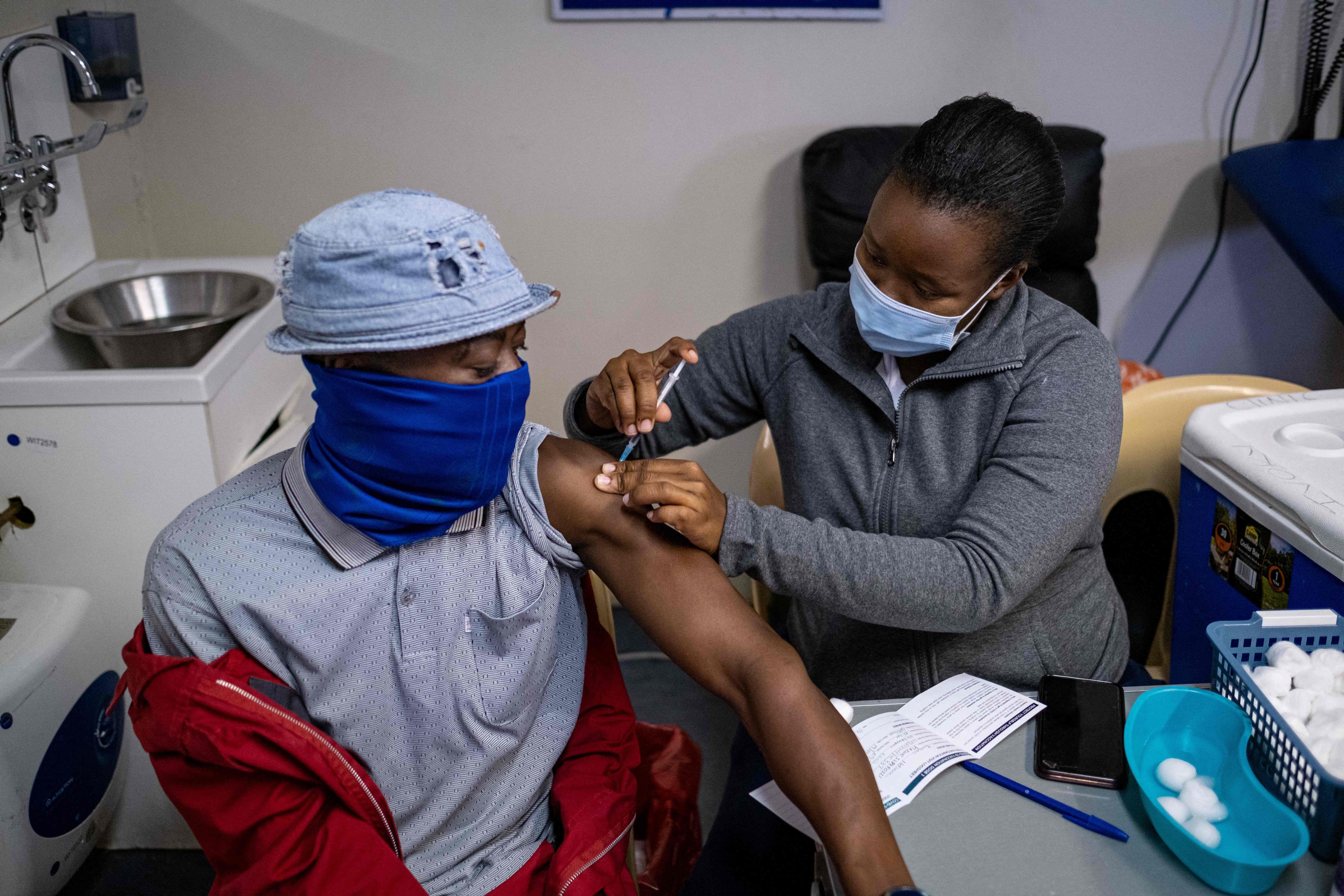
Vacúnese y complete su esquema. Si es candidato a refuerzo, aplíqueselo cuando tenga la oportunidad. Si no se ha inoculado, hágalo. Y recuerde: “las vacunas que tenemos son increíblemente efectivas para prevenir las hospitalizaciones, la necesidad de cuidados intensivos y las muertes, pero las vacunas por sí solas son insuficientes para acabar con la pandemia. Tenemos las otras herramientas, y debemos usarlas”, expresó Van Kerkhove.
Prefiera sitios abiertos y bien ventilados. Abra puertas y ventanas. Evite en la medida de lo posible espacios pequeños, cerrados y con poca ventilación, si no puede evitarlos, permanezca el menor tiempo posible ahí.
Use la mascarilla. Asegúrese de que está bien colocada, que cubra nariz, boca y mentón. Que no deje espacios ni se mueva libremente.
Lávese las manos rigurosamente y séquelas bien. El alcohol en gel es un plan B para cuando no hay agua y jabón disponibles.
LEA MÁS: ¿Cómo evitar contagios de covid-19 en celebraciones de fin de año?