¿A quién beneficiaría la muerte del antiguo espía ruso Skripal?
Varios analistas ven la mano de Moscú detrás del asesinato, otros rechazan la hipótesis porque alegan que Skripal había sido amnistiado.
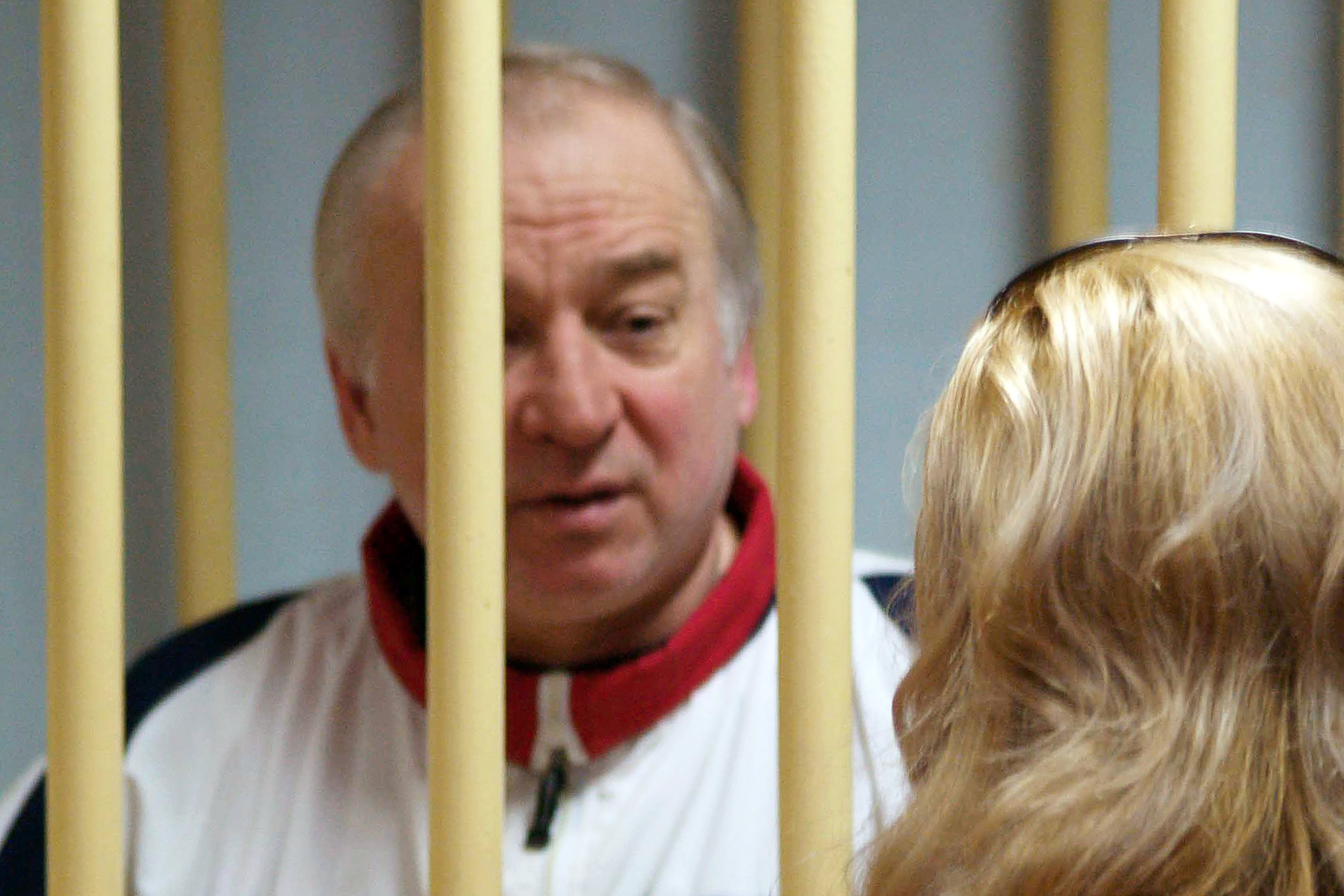
Former Russian military intelligence colonel Sergei Skripal attends a hearing at the Moscow District Military Court in Moscow on August 9, 2006.
Sergei Skripal, a former Russian double agent whose mysterious collapse in England sparked concerns of a possible poisoning by Moscow, has been living in Britain since a high-profile spy swap in 2010. Police were probing his exposure to an unknown substance, which left him unconscious on a bench in the city of Salisbury and saw media draw parallels to the case of Alexander Litvinenko, an ex-spy who died of radioactive polonium poisoning in 2006.
/ AFP PHOTO / Kommersant Photo / Yuri SENATOROV / Russia OUT
AFP
Londres. Muchos analistas ven la mano de Moscú en el envenenamiento en el Reino Unido del ex espía ruso Serguei Skripal y su hija, ambos hospitalizados graves, aunque la investigación está en sus primeros estadios.
Former Russian military intelligence colonel Sergei Skripal attends a hearing at the Moscow District Military Court in Moscow on August 9, 2006.
Sergei Skripal, a former Russian double agent whose mysterious collapse in England sparked concerns of a possible poisoning by Moscow, has been living in Britain since a high-profile spy swap in 2010. Police were probing his exposure to an unknown substance, which left him unconscious on a bench in the city of Salisbury and saw media draw parallels to the case of Alexander Litvinenko, an ex-spy who died of radioactive polonium poisoning in 2006.
/ AFP PHOTO / Kommersant Photo / Yuri SENATOROV / Russia OUT
“Atacar a un espía que fue intercambiado, así como a un miembro de su familia, es algo nuevo”, constató en declaraciones a la AFP Bruce Jones, especialista en Rusia del centro de estudio militar británico Jane’s Defence.
Según Jones, las ventajas para Moscú serían varias: “es a la vez un castigo, una advertencia a quienes piensen traicionar, y una manera de desestabilizar al Reino Unido, muy hostil a Rusia”.
Para los críticos del Kremlin y del presidente Vladimir Putin, los motivos están claros.
“El veneno es el método favorito del FSB”, los servicios secretos rusos, estimó Yuri Felshtinsky, historiador, cercano a Alexander Litvinenko, el exagente secreto ruso envenenado con polonio en 2006 en Londres, un asesinato “probablemente aprobado” por Putin, según las conclusiones de una investigación oficial británica.
Marina Litvinenko, esposa del exagente de inteligencia ruso Alexander Litvinenko, envenenado por polonio 210, camina con un asistente no identificado en Londres el 23 de noviembre de 2007. El exagente de la KGB que desertó a Gran Bretaña y se convirtió en crítico vocal del Kremlin murió en noviembre de 2006, tres semanas después de beber té mezclado con un isótopo radiactivo en un hotel de Londres. (Alastair Grant)
“En el contexto de la elección presidencial rusa, lleva la marca de un asesinato de Putin. Es un aviso al FSB de que todo traidor será perseguido y asesinado”, estimó en declaraciones reproducidas por la agencia británica Press Association.
“Es también una advertencia a todos los opositores políticos que se planteen seriamente desafiar al presidente”, sostuvo Felshtinsky.
Bill Browder es un gestor de fondos de inversión británico que promovió una ley estadounidense para imponer sanciones a los rusos culpables de violaciones de los derechos humanos, en respuesta a la muerte de un empleado suyo en una cárcel moscovita en circunstancias poco claras.
“Putin lo hace por el efecto demostración. Necesita tener aterrorizado a todo el mundo, y no tiene que matar a todo el mundo, sólo tiene que matar a unas pocas personas y dejarlo muy claro que te ocurrirá algo terrible si te interpones en el camino” del presidente, explicó Browder a la AFP.
Foto del 31 de agosto de 2012 que muestra al magnate ruso Boris Berezovsky cuando deja el Tribunal Supremo en Londres, luego de perder su caso contra el oligarca ruso Roman Abramovich. Berezovsky se convirtió en un crítico estridente del presidente ruso Vladimir Putin, y fue encontrado muerto en el piso del baño en su casa en el sur de Inglaterra en marzo de 2013. (Sang Tan)
Para Browder, sin embargo, el asunto no guarda relación con las elecciones del 18 de marzo porque Putin “está seguro de su popularidad”.
Bruce Jones estima que la razón de que se hubiera escogido el Reino Unido para el atentado es que “está en una posición vulnerable, algunos dudan del liderazgo de Theresa May, el país entra en una fase crucial del brexit con un gobierno débil”.
Según Browder, el motivo es la escasa reacción británica al asesinato de Litvinenko en Londres en 2006. Diez años más tarde, “cuando un juez de la Corte Suprema (británica) determinó que se trató de un atentado organizado desde Rusia, el gobierno no hizo nada. Esta inacción fue una invitación a Putin a matar en este país”.
Algunos analistas rusos también ven la mano del Kremlin. Pavel Felguengauer, analista del diario Novaya Gazeta, dijo no tener “ninguna duda de que se hizo siguiendo órdenes de Moscú porque nadie más podría estar interesado”.
Foto de archivo sin fecha del disidente búlgaro Georgi Markov. Markov trabajaba para la BBC, murió en setiembre de 1978, cuatro días después de que le pincharon en el muslo con una sombrilla con punta envenenada mientras esperaba un autobús en el puente Waterloo de Londres. (FILE)
“Entra en las tradiciones del FSB. Siempre pensaron, y siguen pensando, que hay que castigar a los traidores para mantener la disciplina en las filas de los servicios de seguridad”.
Otros, sin embargo, ponen en duda la teoría de la implicación rusa, como Mijail Liubimov, antiguo agente secreto ruso y escritor.
“Toda esta historia de las acusaciones a Moscú es una comedia”, dijo Liubimov.
”¿Quién es Skripal? ¿A quién le importa? Ya fue objeto de un intercambio, es decir, fue amnistiado. Si hubieran querido matarlo lo hubieran matado aquí, pero lo liberaron”, argumentó.
Alexander Golts, analista militar ruso entrevistado por la AFP, cree que “tampoco hay que olvidar que la gente como Skripal tiene un espíritu aventurero, nadie sabe en qué aventura pudo meterse en Gran Bretaña”.