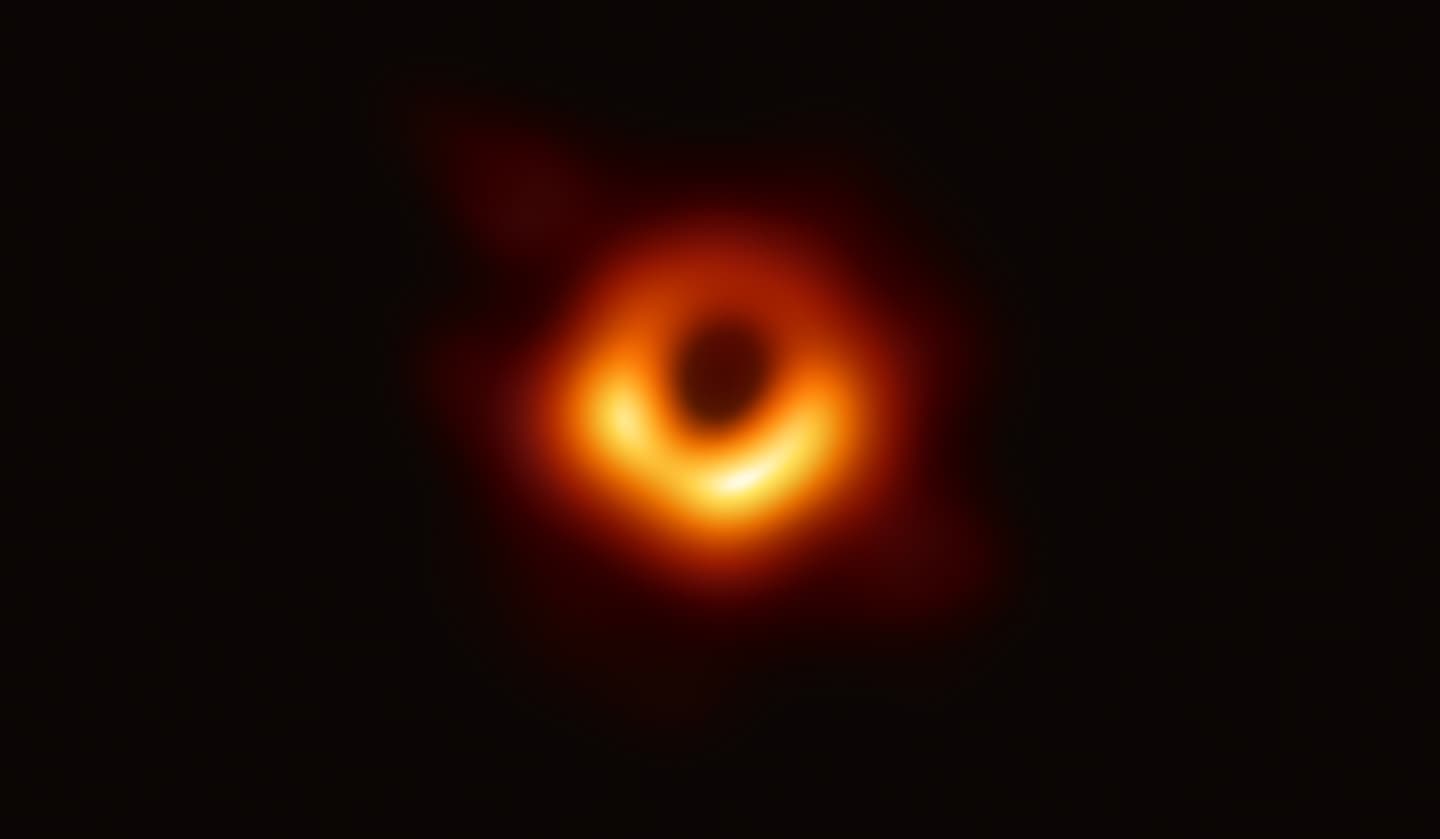
Este hallazgo constituye la primera prueba directa de la existencia de agujeros negros de masa intermedia (entre 100 y 100.000 veces más masivos que el Sol) y podría explicar uno de los enigmas de la cosmología, esto es, la formación de estos objetos supermasivos presentes en varias galaxias, incluida la Vía Láctea.
“¡Es una puerta que se abre sobre un nuevo paisaje cósmico!”, se felicitó en conferencia de prensa Stavros Katsanevas, director de Virgo, uno de los dos detectores de ondas gravitacionales que captó las señales de este nuevo agujero negro, las cuales desarrollaron una energía similar a la de ocho masas solares.
LEA MÁS: ¿Qué son las ondas gravitacionales? ¿Por qué son importantes?
El misterioso objeto llamado “GW190521” y descrito en el Physical Review Letters y el Astrophysical Journal Letters por un equipo internacional de más de 1.500 científicos, es probablemente resultado de la fusión de dos agujeros negros. Tiene una masa 142 veces superior a la del Sol y es el agujero negro más masivo jamás detectado por las ondas gravitacionales.
Predecidas por Albert Einstein en 1915 en su teoría de la relatividad general y observadas directamente un siglo más tarde, las ondas gravitacionales son deformaciones ínfimas del espacio-tiempo, parecidas a las ondulaciones del agua en la superficie de un estanque. Nacen bajo el efecto de fenómenos cósmicos violentos, como la fusión de dos agujeros negros que emite una cantidad de energía fenomenal.
La onda gravitacional de GW190521 tardó 7.000 millones de años en ser observable desde la Tierra y es el agujero negro más distante y por tanto más antiguo jamás descubierto.
La señal fue registrada en mayo del 2019 por los instrumentos estadounidense Ligo y europeo Virgo, que atraparon así “su mayor presa” de sus recientes “cacerías”.