A pesar de que el verano todavía no ha llegado oficialmente al hemisferio norte, el calor y las sequías, nunca ausentes alrededor del planeta, han alcanzado esta vez una recurrencia y seriedad sin precedentes, con enormes perjuicios para la economía, la salud, la producción de alimentos y, por supuesto, la supervivencia de los seres vivos.
Su virulencia puede deberse, en algunos casos, a factores locales, como la deforestación o el mal uso de nacientes y suelos, o a eventos meteorológicos aleatorios; sin embargo, la evidencia es cada vez más sólida y alarmante sobre una causa común: el calentamiento global. No podemos cansarnos de decir que, si no se le pone coto e, idealmente, se inicia un proceso para revertirlo, las consecuencias podrán pronto tornarse irreversibles y cada vez más serias y aceleradas, por el efecto compuesto de su impacto.
Durante las últimas semanas se ha acumulado un repertorio aterrador de urgencias climáticas que, cuando el verano llegue a su plenitud, casi con certeza se tornarán más serias. Los casos, por desgracia, abundan.
El pasado viernes, por primera vez en su historia, el servicio meteorológico del Reino Unido puso en «alerta roja» a varias regiones del país, debido a enormes incrementos de temperatura, que hacen peligrar la salud de sus habitantes; incluso, la vida de muchos de ellos. El jueves, Shanghai, la ciudad más populosa de China, declaró, por tercera vez en cinco días, ese mismo grado de alarma, ante temperaturas récord durante la semana. Pocos días antes, un museo en la ciudad de Chongqing, también en China, debió cerrar luego de que secciones de su techo metálico se derritieron.
LEA MÁS: Las condiciones del clima golpea con fuerza a Europa y el sur de Asia
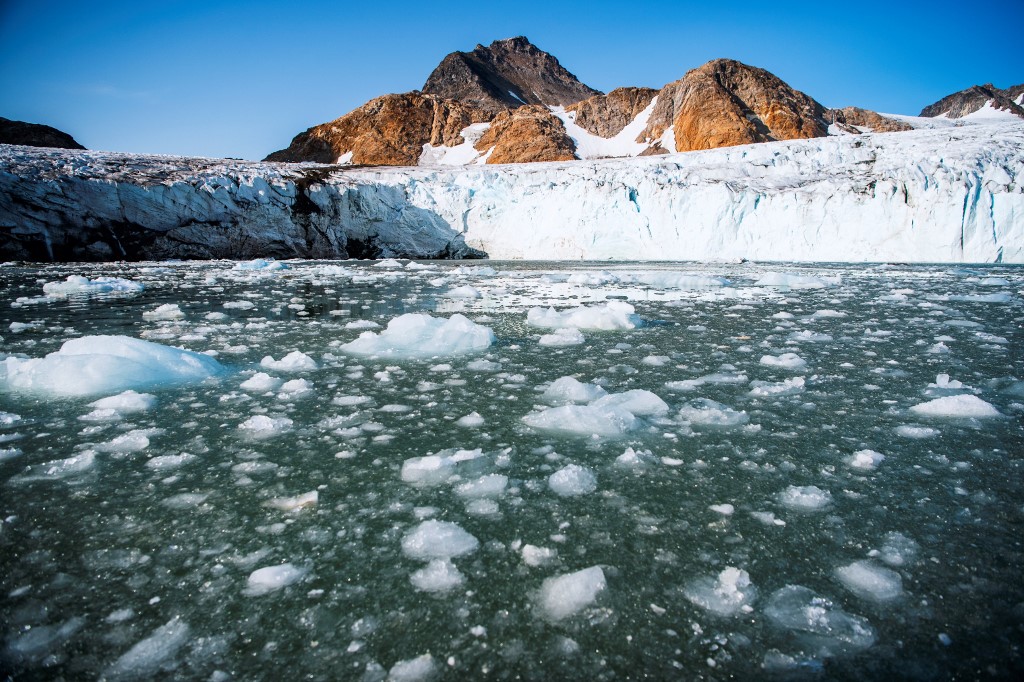
El 3 de este mes, descongelamientos en la cima de un glaciar en las montañas Dolomitas, de Italia, hizo que se quebrara y produjera una avalancha que mató a 11 personas. Ese país, además, sufre amplios incendios forestales y una severa sequía, exacerbada por las altas temperaturas, que ha obligado a racionamientos de agua. El lunes 11, otro glacial, mucho mayor, se desplomó en una cordillera de la república centroasiática de Kirguistán. No hubo víctimas por lo desolado del paraje.
En Estados Unidos, la institución encargada de dar seguimiento a las sequías reportó, recientemente, que estas afectan a la mayoría de sus estados, en particular a los del sur y oeste. El pasado fin de semana, más de una docena de récords de altas temperaturas fueron rotos en Arkansas, Colorado, Oklahoma y Texas. En California, los incendios forestales han adquirido una recurrencia y gravedad alarmantes.
Portugal, el sur Francia, Croacia y España también han experimentado una combinación de altas temperaturas e incendios forestales sin precedentes. Por ejemplo, los ocurridos entre el 1.° de enero y el 3 de julio, han arrasado más de 70.000 hectáreas en este último país, el doble del promedio durante los últimos diez años.
Todo lo anterior, sumado a evidencia sistemática y modelos predictivos de alta precisión, llevó a que, el lunes, Patrick Wallace, el principal asesor científico del gobierno británico, advirtiera a un grupo de parlamentarios, en una reunión de emergencia, que el mundo corre un riesgo inminente de sumergirse en una crisis más profunda que la de la covid-19 debido al cambio climático.
El llamado a la acción urgente por parte del científico ha sido reiterado hasta el cansancio. Sin embargo, a pesar de los avances en compromisos (muchos) y en logros (pocos), la tendencia que llevamos como humanidad es altamente preocupante.
La más reciente conferencia de estados parte de la Convención de las Naciones Unidas sobre Cambio Climático (COP26), celebrada en Glasgow, Escocia, el pasado noviembre, no llenó las expectativas existentes. Sus modestos avances no lograron dar certeza al cumplimiento del compromiso adoptado en la COP21, de París, hace siete años, para que el calentamiento global no supere, a finales de este siglo, los 1,5 grados Celsius sobre los niveles preindustriales.
El próximo noviembre se celebrará la COP27 en Egipto, marcada por una crisis energética que ha conducido, al menos momentáneamente, a acelerar el uso de hidrocarburos. El entorno es difícil para avances significativos, pero la realidad los torna imperiosos. El calor, las sequías y los incendios forestales de las últimas semanas deben servir como una señal de alarma real.
LEA MÁS: Editorial: Comisión especial para analizar ‘apagón educativo’