
Washington. Por primera vez desde el 2000, Estados Unidos despertó el miércoles sin saber quién será su próximo presidente después de una elección con participación récord cuyo escrutinio continúa en estados clave.
Los comicios contaron con la mayor participación desde que las mujeres obtuvieron el derecho al voto: 66,8%, un estimado de 160 millones de electores, contra 59,2% en 2016, según Elections Project.
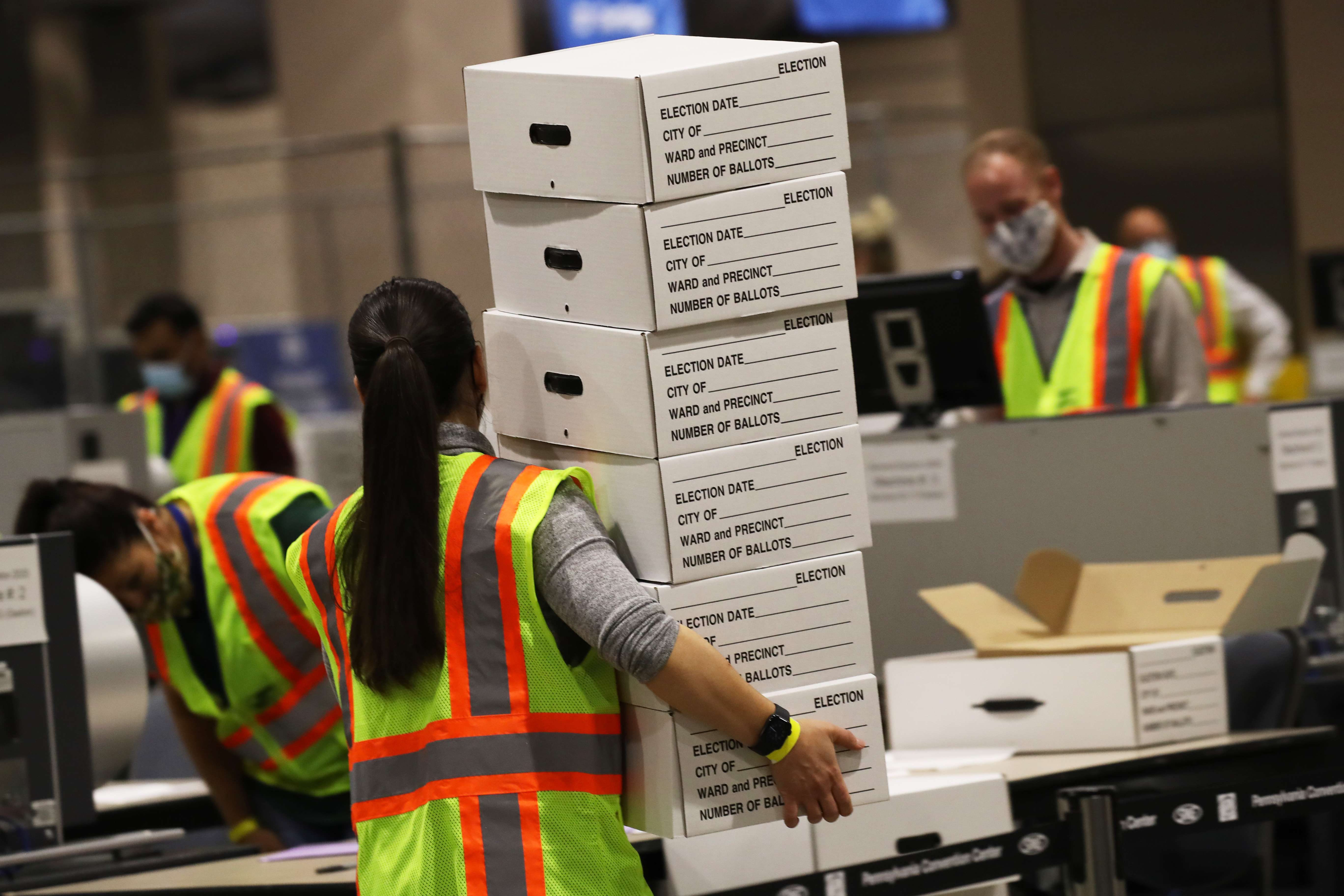
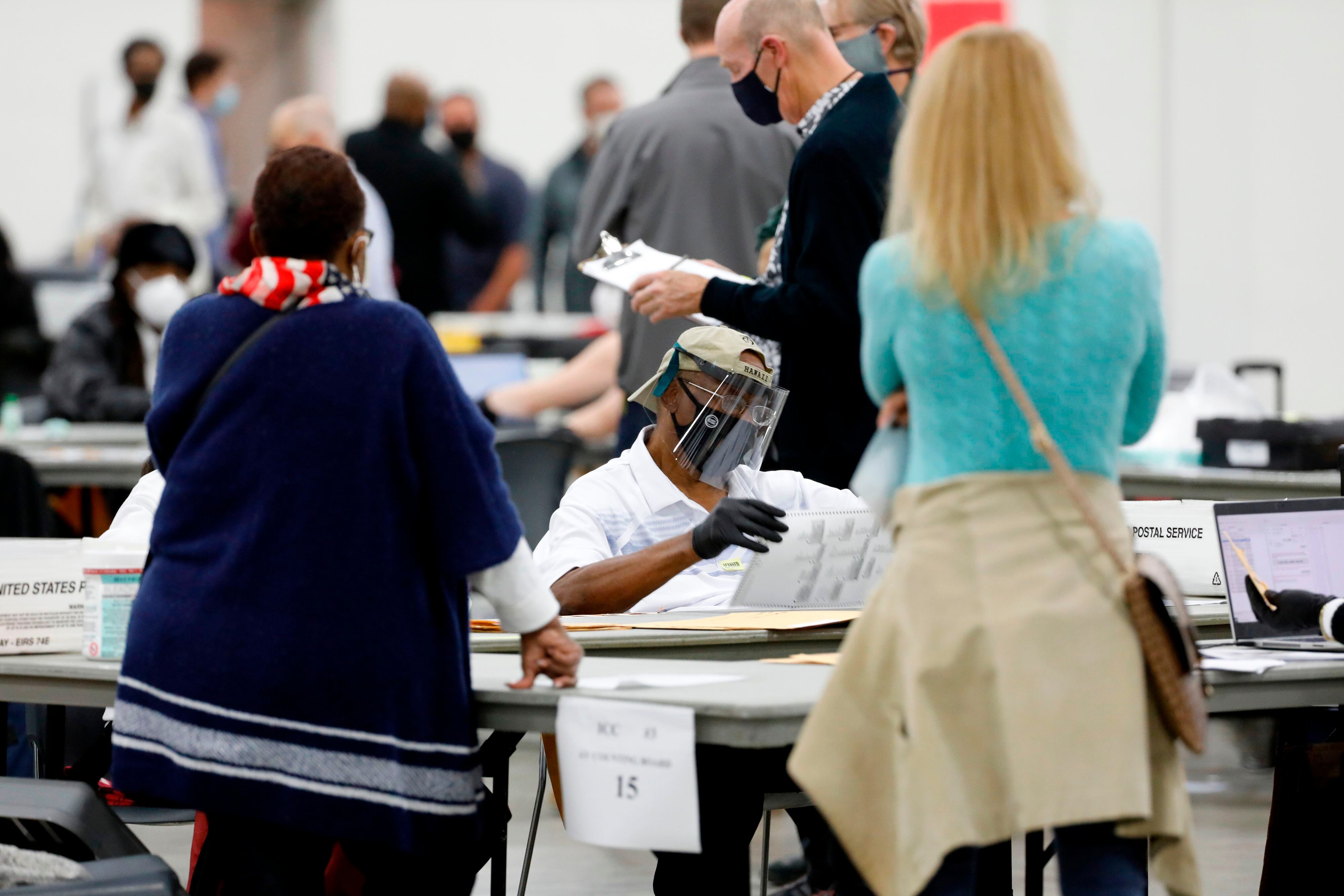
Muchos estados están abrumados por la avalancha de sufragios por correo. En algunas ciudades, abrir los sobres y escanear las papeletas puede llevar varios días.
“Si todo sigue a este ritmo, tendremos los resultados totales en los próximos dos días”, dijo a CNN Al Schmidt, jefe de la ciudad de Filadelfia, una gran reserva de votos demócratas en el estado clave de Pensilvania.
Y si la Justicia se involucra, como en el 2000, “podría durar semanas”, manifestó Ed Foley, especialista en derecho electoral de la Universidad Estatal de Ohio.
En unos comicios marcados por la polarización, la pandemia y una histórica crisis económica, el mandatario republicano se proclamó ganador, denunció un fraude sin presentar pruebas y amenazó con acudir a la Corte Suprema.
“Nosotros ganamos esta elección”, dijo en un discurso en la Casa Blanca al despuntar el miércoles. “Este es un fraude (...) Queremos que la votación se detenga”, agregó, dando a entender que quería congelar los resultados y excluir las papeletas aún no escrutadas.
Y después denunció en Twitter que “anoche (martes) venía liderando, en muchos casos de forma sólida, en muchos estados clave, casi todo gobernados y controlados por los demócratas”.
“Luego, uno por uno, empezaron a desaparecer mágicamente mientras se contaban papeletas sorpresa”, afirmó.
Asimismo, consideró que los encuestadores se equivocaron de manera “histórica”.
Joe Biden prometió poco después en la misma red social que no descansará "hasta que el voto de todos sea contado”, en respuesta a la amenaza del mandatario de acudir al alto tribunal.
Trump se arriesgaría “a una de las más embarazosas derrotas que un presidente haya sufrido ante la alta corte en el país” si pide que se invaliden las papeletas contadas luego del día de la elección, consideró Bob Bauer, uno de los abogados de la campaña de Biden.
La amenaza de Trump de intentar invalidar las papeletas causó un fuerte impacto entre los republicanos.
“Este argumento no tiene fundamento, no”, dijo el republicano Chris Christie, exfiscal federal y exgobernador de Nueva Jersey, que asesoró al mandatario en la preparación de los debates presidenciales.
¿Otra batalla en tribunales?
El espectro de una batalla judicial acecha ahora a la principal potencia mundial, ya sacudida por la pandemia y la recesión.
Los equipos de campaña lanzaron mensajes que apuntaban al triunfo de sus respectivos candidatos en conferencias telefónicas con la prensa.
“Si contamos todas las papeletas legales, creemos que el presidente ganará”, aseveró Bill Stepien, director de la campaña republicana.
Por su parte, la directora de campaña de Biden, Jen O’Malley Dillon, estimó que el demócrata está a la cabeza en suficientes estados como para lograr los 270 votos del Colegio Electoral necesarios para llegar a la casa Blanca. “Es una conclusión segura”, agregó.
El nombre del ganador está en suspenso en varios estados clave, lo que implica un escenario potencialmente mucho más caótico que el de 2000, cuando las elecciones dependían del resultado de Florida.
En aquel momento, fue la Corte Suprema la que puso fin, más de un mes después, a la contienda, terminando con los recuentos y dando ganador al republicano George W. Bush sobre el demócrata Al Gore.
Situación actual
Una cosa es cierta: la ola demócrata “azul”, esperada por algunos en el bando de Biden, que empezaron a soñar con victorias históricas, por ejemplo en Texas, no se produjo.
Según las proyecciones de los principales medios, Trump se quedó con Florida y Iowa, donde ganó en el 2016; con Ohio, en el que desde 1964 ganaron todos los candidatos que llegaron a la Casa Blanca; y con Texas, bastión republicano desde 1976.
Como ocurrió hace cuatro años con Hillary Clinton, Biden puede ganar el voto popular y perder la Casa Blanca si no consigue los 270 votos electorales necesarios, de un total de 538 que integran el Colegio Electoral según el sistema de sufragio universal indirecto.
Hasta ahora, Biden acumulaba 238 votos electorales frente a los 213 de Trump.
Eso es contando el crucial estado de Arizona, que Trump ganó en el 2016, pero donde ahora algunos medios dieron vencedor al demócrata, aunque el conteo aún no está completo.
Biden parecía también estar bien posicionado en Nevada.
Si esto se confirma, Biden tendrá que ganar al menos dos o tres de los estados del norte industrial (Pensilvania, Michigan, Wisconsin) y del este (Georgia, Carolina del Norte). Trump se impuso en todos ellos hace cuatro años.
En Wisconsin y Michigan, Biden tenía una leve ventaja.
En Pensilvania, Trump tenía el miércoles más de 450.000 votos de ventaja, pero faltaban contabilizar 1,4 millones de votos por correo, y Biden recibía el 78% de los sufragios anticipados escrutados hasta el momento.
Es en este estado en particular en el que a Trump le gustaría involucrar a la Corte Suprema, a la que ya habían acudido infructuosamente los republicanos antes de los comicios para evitar el recuento de las boletas enviadas por correo.
Pero, si el resultado es muy cerrado, el alto tribunal deberá intervenir y decir si invalida o no las papeletas recibidas entre el miércoles y el viernes.
Fuerzas en el Congreso
Los demócratas, que conservaron su mayoría en la Cámara de Representantes, veían el miércoles disminuir sus expectativas de arrebatar a los republicanos la mayoría del Senado.
Por el momento, lograron ganar dos escaños en la Cámara Alta, uno en Colorado y el otro en Arizona, en su intento de lastrar el control republicano (53 de las 100 bancas).

Pero los republicanos pudieron quitar a los demócratas una curul muy vulnerable que tenían en Alabama y mantuvieron sus líneas en otros estados, desafiando encuestas de intención de voto.
Por ahora celebran el triunfo del senador aliado de Trump Mitch McConnell, líder la mayoría republicana reelegido en Kentucky, según proyecciones.