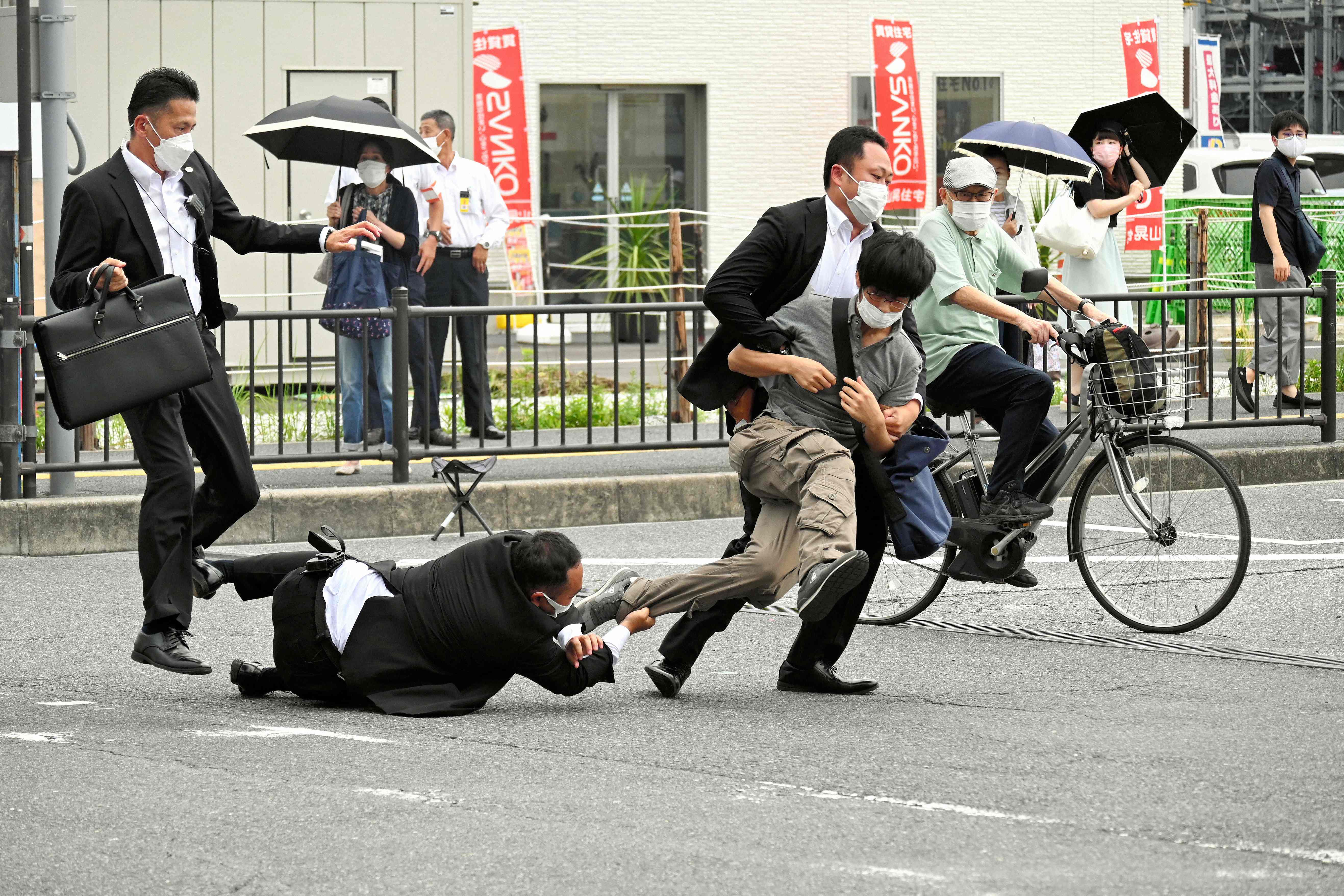
Tokio. El asesinato del exprimer ministro japonés Shinzo Abe, cometido por un hombre resentido con la Iglesia de la Unificación, conocida como la secta Moon, puso de relieve los nexos políticos de esa controvertida organización.
Según la Policía, Tetsuya Yamagami atacó a Abe por considerar que apoyaba a “cierto grupo” al cual su madre había hecho grandes donaciones. En una carta publicada por la prensa local, Yamagami acusó a Abe de apoyar a la Iglesia de la Unificación, que por su lado confirmó que la madre del asesino era una de sus fieles.
LEA MÁS: Shinzo Abe: Autor del asesinato alertó en una carta de sus intenciones antes del ataque
Exseguidores, abogados y académicos que estudian a la secta Moon dicen que los detalles reportados sobre la familia de Yamagami calzan con un patrón común en Japón. La madre de Yamagami se unió a la iglesia tras el suicidio de su esposo y rápidamente fue absorbida por su fe.
Un tío de Yamagami dijo a la prensa local que su sobrino a veces lo llamaba para pedirle ayuda cuando su madre dejaba a los niños solos y sin comida para ir a la iglesia. Ella donó a la esa congregación al menos 100 millones de yenes (¢498 millones), indicó, y posteriormente se declaró en quiebra.
Todo eso le suena familiar al abogado Hiroshi Yamaguchi, quien representa a exmiembros de la iglesia. “Los miembros enfrentan presión todos los días para hacer donaciones”, dijo a AFP. “Ellos te dicen que hay karma ligado al dinero y que (las donaciones) son la única forma de salvarse. Así que piensas que debes hacerlo”, explicó.
Conocida oficialmente como la Familia de Federaciones por la Paz y la Unificación Mundiales (Ffwpu), la iglesia fue fundada en 1954 en Corea por Sun Myung Moon y sus seguidores son llamados “moonies”. El capítulo japonés comenzó en 1959 y tomó fuerza con el boom económico de los años 1980, “una era en que la gente estaba insegura de cómo vivir su vida”, comentó Kimiaki Nishida, profesor psicología social de la Universidad Rissho de Tokio.
‘Distorsionó mi vida’
La iglesia ofrece “ventas espirituales” de bienes con precios exorbitantes, como una estatuilla de 42 millones de yenes (¢209 millones), que le decían a los creyentes japoneses que su compra los absolvería a ellos y sus ancestros. Pero los enormes desembolsos de los miembros generó una reacción negativa.
La Red Nacional de Abogados contra las Ventas Espirituales de Japón dice que presentó demandas para recuperar 123.700 millones de yenes (¢616 millones) por daños a exseguidores desde 1987. Una serie de arrestos desde los años 2000 y fallos contra la iglesia impusieron límites a las ventas espirituales, pero el abogado Yamaguchi dice que los creyentes siguen siendo presionados para cumplir metas mensuales de donaciones.
Afirmó que la iglesia le dice a sus miembros que “es una meta decidida por Dios”. Pero la iglesia niega presionar a sus miembros. “Nuestro criterio es que todas las donaciones ante el Cielo deben ser dadas libremente”, aseguró a AFP Demian Dunkley, contacto de prensa de la Ffwpu.
“La Ffwpu a veces pide donaciones, pero los miembros de FFWPU deciden si, cuándo y cuánto dar”, agregó. En el 2005, Yamagami habría intentado suicidarse tras la quiebra de su madre con la esperanza de que sus hermanos recibieran un pago del seguro. Su hermano mayor se suicidó una década después.
En una carta contra la iglesia, enviada a un bloguero un día antes del asesinato de Abe, Yamagami dijo que su adolescencia fue arruinada por el gasto excesivo y la quiebra de su madre. “La experiencia distorsionó toda mi vida”, según la carta publicada por la prensa local.
‘Una familia’
Exmiembros de la iglesia dieron cuenta de rupturas familiares similares, incluyendo una mujer japonesa cuya madre le dijo que permaneciera con un esposo abusivo, escogido por la iglesia, porque divorciarse sería “complacer a Satanás”.
LEA MÁS: ¿Qué se sabe sobre el sospechoso del asesinato de Shinzo Abe?
“No puedo defender lo que hizo (Yamagami), pero así es como la iglesia destruye vidas”, dijo la exintegrante de la iglesia en condición de anonimato en una reciente conferencia de prensa.
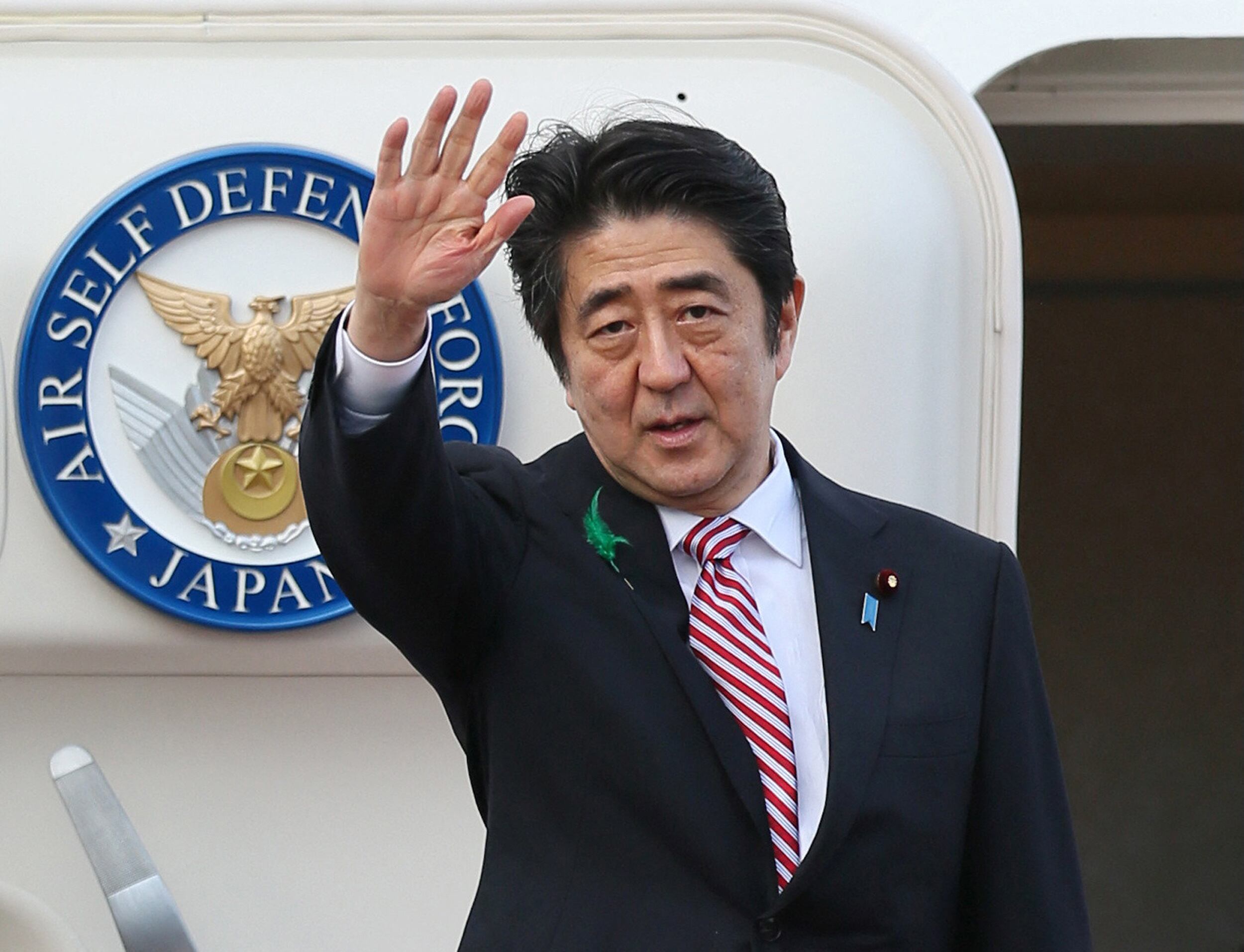
La carta de Yamagami acusó a Abe de ser “uno de los más influyentes apoyos de la Iglesia de la Unificación”, basado en parte en un discurso del 2021 que el exgobernante dio ante un grupo ligado a la iglesia. La iglesia y sus grupos afiliados suelen reclutar a figuras destacadas, como el expresidente estadounidense Donald Trump, para participar en sus eventos.
Según Dunkley, la misión de la iglesia es “crear un mundo pacífico, armonioso, de amor verdadero en que la humanidad vive como una familia bajo Dios”. Pero la exintegrante de la iglesia dijo que a los seguidores le mostraban fotos de Moon con figuras destacadas para fomentar la reverencia.
El asesinato de Abe motivó una reevaluación de las relaciones de la iglesia con políticos japoneses. Partidos de oposición anunciaron la creación de equipos de trabajo para analizar las actividades de la iglesia y su relación con los políticos.
