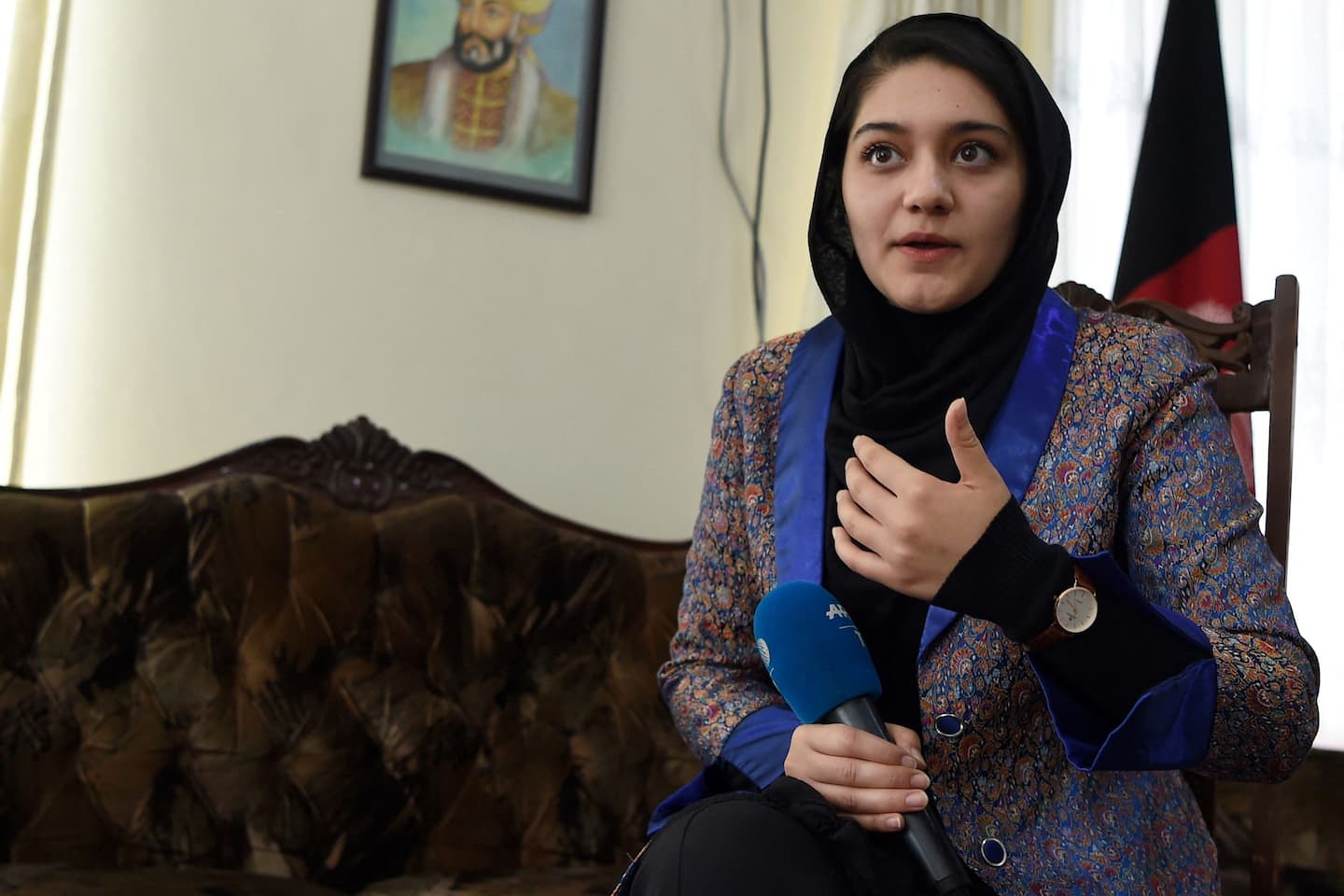
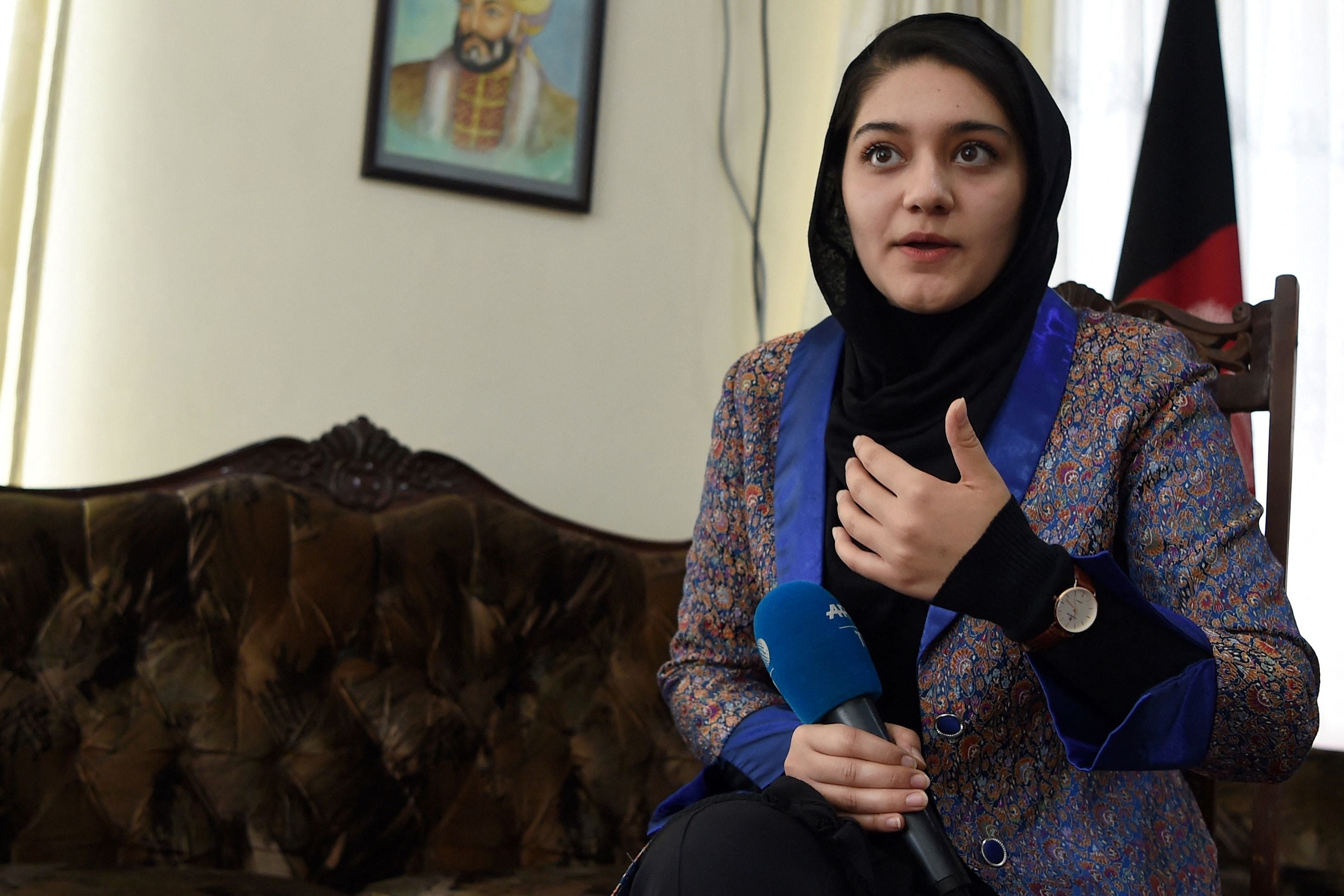
Kabul. Su primera noche bajo el régimen de los talibanes, Aisha Khurram, de 22 años, la pasó sin poder dormir, entre el ruido de las balas y el de los aviones que evacúan a los extranjeros del aeropuerto de Kabul, un día que no olvidará: “en el que se nos partió el alma y el espíritu”.
“Para toda la nación, ver cómo todo se hundía en un instante, fue el fin del mundo”, confesó este lunes por la mañana a la AFP esta estudiante afgana, pocas horas después de la entrada de los talibanes en Kabul.
LEA MÁS: Pánico y caos en aeropuerto de Kabul tras toma del poder de los talibanes en Afganistán
Khurram, quien representa a la juventud afgana ante la Organización de Naciones Unidas (ONU), tenía que haber concluido sus estudios en la Universidad de Kabul en los próximos meses, pero el domingo por la mañana, ella y sus compañeros no pudieron volver entrar en el campus y su futuro es más que nunca incierto.
“El mundo y los dirigentes afganos abandonaron a la juventud del país de la forma más cruel que podamos imaginar.
“Es una pesadilla para las mujeres que han estudiado, que piensan en un mañana mejor para ellas y las generaciones futuras”, aseguró.
Durante 1996 y 2001, los talibanes en el gobierno impusieron una visión ultraortodoxa de la ley islámica que impedía a las mujeres estudiar o trabajar, salir de casa si no era acompañadas de un miembro masculino de su familia y les obligaba a llevar el burka (velo integral) en público.
Las flagelaciones y ejecuciones, incluso la lapidación por adulterio, eran prácticas habituales en las plazas y estadios de las ciudades.
Sin embargo, la situación, sobre todo en las zonas rurales, no mejoró sustancialmente para las mujeres con la marcha de los talibanes en 2001.
Los talibanes afirmaron en varias ocasiones que respetarían los derechos humanos si regresaban al poder en Afganistán, enfatizando en los de las mujeres, pero de acuerdo a los "valores islámicos".
Sin embargo, las afganas miran con desconfianza esas promesas, sobre todo aquellas que durante dos décadas pudieron ir a la universidad y ocuparon cargos de responsabilidad, sobre todo en política, en el periodismo, en el Poder Judicial y en las fuerzas de seguridad.
En las últimas 24 horas, mujeres muy conocidas en Kabul expresaron en las redes sociales su tristeza al ver su país y toda su vida destrozadas a manos de los talibanes.
“Empecé el día mirando las calles vacías de Kabul, horrorizada”, escribió Fawzia Koofi, militante por los derechos humanos y antigua vicepresidenta del Parlamento afgano.
“La historia se repite tan rápido”, agregó.
I start my day looking at empty streets of Kabul, horrified it’s people. History repeats itself so quickly.
— Fawzia Koofi (@Fawziakoofi77) August 16, 2021
“El miedo se te graba, está ahí como un pájaro negro”, añadió Muska Dastageer, profesora en la Universidad estadounidense de Afganistán, inaugurada cinco años después de la marcha de los talibanes. “Abre sus alas y ya no puedes respirar”, mencionó.
The fear just sits inside your chest like a black bird. It opens its wings and you can't breathe.
— Muska Dastageer (@DastageerMuska) August 15, 2021
La cuenta de Twitter de Rada Akbar, una mujer de 33 años, estaba llena el lunes de emoticonos de corazones rotos.
“Mi amado Afganistán se hunde bajo mis ojos”, expresó en un mensaje.
En otro, vemos la imagen (ya viral) de un hombre cubriendo con pintura blanca la foto en un escaparate de una sonriente mujer en traje de boda.
Para Akbar, este gesto muestra que buscan "borrar a las mujeres del espacio público", porque los talibanes no permiten la reproducción de imágenes de mujeres.
Rada Akbar, pintora y fotógrafa, es conocida por sus retratos, una reivindicación de la independencia y de la herencia de Afganistán.
Este año tuvo que organizar su exposición de homenaje a importantes mujeres afganas por Internet, tras recibir amenazas.
El lunes por la mañana su miedo era palpable.
“Quiero volverme invisible y esconderme del mundo”, manifestó en uno de sus últimos tweets.
I want to become invisible and hide from the world! 💔
— Rada Akbar (@RADAAKBAR) August 16, 2021
El sábado, el secretario general de Naciones Unidas, Antonio Guterres, dijo estar "horrorizado" por "ver cómo desaparecen los derechos tan duramente conquistados por las niñas y mujeres de Afganistán".
Sahraa Karimi, una de las directoras de cine afganas más famosas, dijo que no tenía la intención de dejar Afganistán.
“No abandonaré mi país”, declaró limpiándose las lágrimas en un video publicado en Twitter.
“Muchos igual piensan que es una locura, pero locura es lo que hacen los que abusaron de nuestra patria (...). Y la estupidez es lo que el mundo mostró al darnos la espalda”.