OIEA advierte que retiro de cámaras puede acabar con la negociación sobre programa nuclear iraní
Esta crítica dirigida a Irán, la primera desde junio de 2020, fue aprobada el miércoles por 30 de los 35 miembros del Consejo de Gobernadores del OIEA. Solo Rusia y China votaron en contra, mientras que India, Libia y Pakistán se abstuvieron.
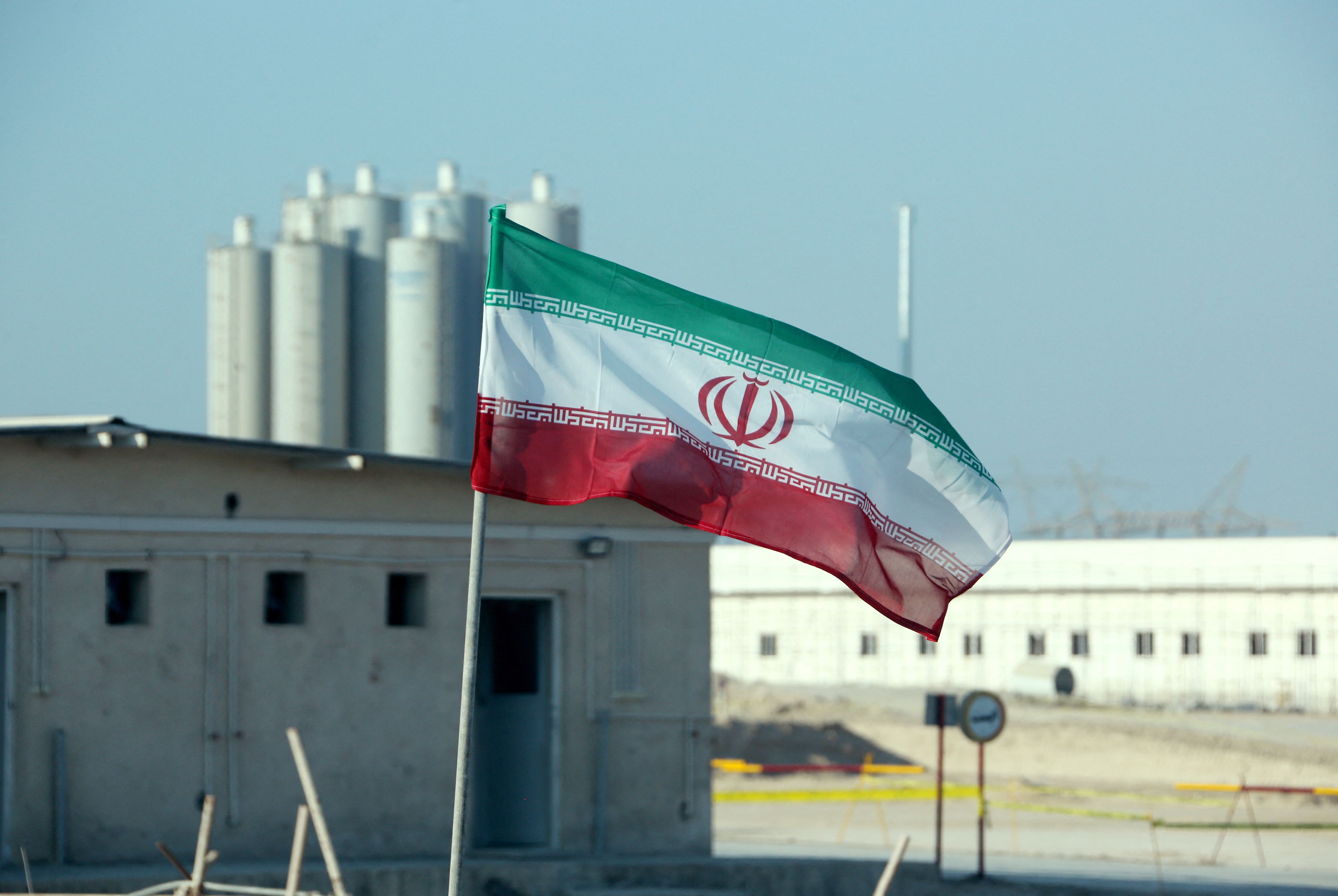
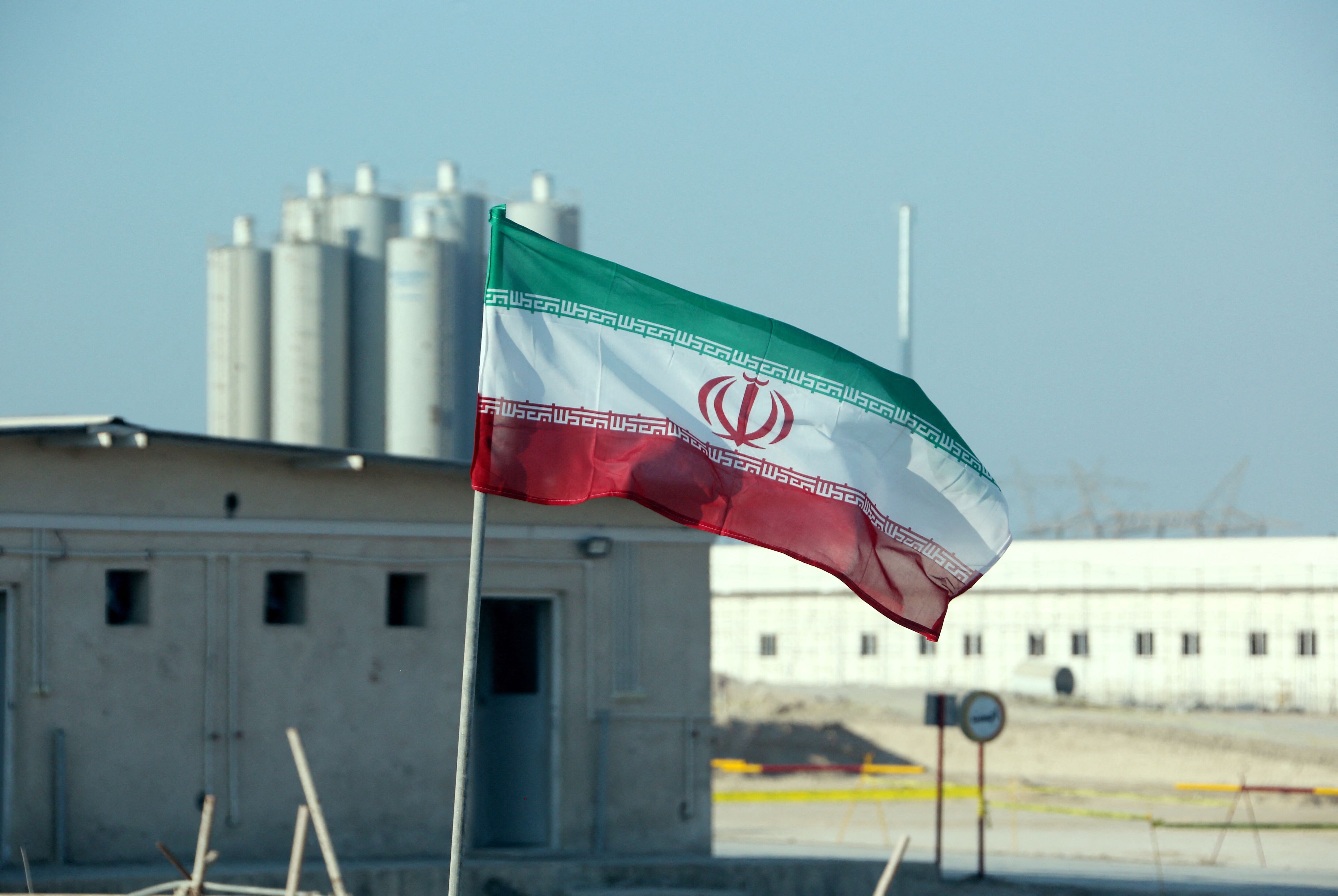
(FILES) This file photo taken on November 10, 2019 shows an Iranian flag in Iran's Bushehr nuclear power plant, during an official ceremony to kick-start works on a second reactor at the facility. - Iran on June 8, 2022 disconnected some of the United Nations' nuclear watchdog's monitoring cameras, the country's Atomic Energy Organisation said in a statement, after Western nations accused Tehran of non-cooperation. The move was announced after a resolution submitted by Britain, France, Germany and the United States to the International Atomic Energy Agency (IAEA) to censure Iran, the first since June 2020 when a similar motion censuring Iran was adopted. (Photo by ATTA KENARE / AFP) ATTA KENARE
Viena. Irán retiró 27 cámaras de vigilancia en instalaciones nucleares, en respuesta a una resolución adoptada por el Organismo Internacional de Energía Atómica (OIEA) que critica su falta de cooperación, un nuevo desacuerdo que aleja la perspectiva de una solución sobre este sensible tema.
“Lo que nos han informado es que 27 cámaras... están siendo removidas en Irán. Así que esto, por supuesto, plantea un serio desafío a nuestra capacidad para seguir trabajando allí”, aseguró el director general OIEA, Rafael Grossi, en conferencia de prensa en la sede del organismo en Viena.
Irán anunció el miércoles que había desconectado algunas de las cámaras, sin especificar el número, para protestar contra la votación del Consejo de Gobernadores del OIEA de una resolución que criticó a Teherán por su “falta de cooperación”.
Condenando la resolución presentada por Estados Unidos, Reino Unido, Francia y Alemania, el Ministerio de Relaciones Exteriores la calificó, en un comunicado, de una “acción política, no constructiva e incorrecta”.
Esta crítica dirigida a Irán, la primera desde junio de 2020, fue aprobada el miércoles por 30 de los 35 miembros del Consejo de Gobernadores del OIEA. Solo Rusia y China votaron en contra, mientras que India, Libia y Pakistán se abstuvieron.
La resolución se aprobó luego de que el OIEA, con sede en Viena, expresara su preocupación sobre los restos de uranio enriquecido encontrados en tres plantas nucleares no declaradas de Irán.
Irán retiró 27 cámaras de vigilancia en instalaciones nucleares, en respuesta a una resolución adoptada por el Organismo Internacional de Energía Atómica (OIEA) que critica su falta de cooperación, un nuevo desacuerdo que aleja la perspectiva de una solución sobre este sensible tema. FOTO:AFP (ATTA KENARE/AFP)
“Respuesta firme y proporcionada”
Copiado!
“La adopción de la resolución, que está basada en el informe apresurado y desequilibrado del director general del OIEA y en informaciones falsas y fabricadas por el régimen sionista (en una referencia a Israel, ndlr), sólo debilitará el proceso de cooperación e interacción entre la República Islámica de Irán y el Organismo”, subrayó el ministerio en su comunicado.
Además de la desactivación de las cámaras, Irán informó al OIEA de “la instalación de centrifugadoras avanzadas” en el emplazamiento de Natanz (centro), con lo que aumentó significativamente su capacidad de enriquecimiento de uranio.
El portavoz del Ministerio de Asuntos Exteriores de Irán, Saeed Khatibzadeh, criticó la resolución en un mensaje en Twitter en el que afirmó que Irán tenía “el programa nuclear pacífico más transparente del mundo”.
“Los iniciadores son responsables de las consecuencias. La respuesta de Irán es firme y proporcionada”, añadió.
El OIEA, encargado de verificar el carácter pacífico del programa nuclear iraní, puede continuar las inspecciones y tiene otros instrumentos a su disposición, pero la respuesta de Teherán conduce a “menos transparencia, más dudas”, explicó Grossi.
“¿Significa esto que estamos llegando al final de la carrera? Espero que no sea así”, añadió, instando a Irán a reanudar el diálogo una vez que “las emociones se calmen un poco”.
“Golpe fatal”
Copiado!
Tras la aprobación de la resolución, Francia, Alemania, Reino Unido y Estados Unidos pidieron a Teherán a “respetar sus obligaciones” y cooperar con el OIEA.
Si el bloqueo persiste, “en tres o cuatro semanas”, el OIEA no estará en capacidad de suministrar la información necesaria para el seguimiento del programa nuclear iraní, precisó Grossi.
Esto, estimó, dará un “golpe fatal” al acuerdo de 2015 que establecía la limitación de las actividades nucleares a cambio de una reducción de las sanciones internacionales.
Este acuerdo está moribundo desde que el expresidente Donald Trump retiró unilateralmente a Estados Unidos del pacto en 2018 y restableció las sanciones contra Teherán.
Un año después de las nuevas y severas medidas punitivas, Irán comenzó a incumplir sus compromisos asumidos en el marco del acuerdo.
Las conversaciones para reactivarlo se iniciaron en abril de 2021, per están en un punto muerto desde marzo.
Según Eric Brewer, experto del Instituto de investigación estadounidense Nuclear Threat Initiative (NTI), las decisiones del Consejo de Gobernadores “pueden empeorar las cosas de manera dramática”.
Concretamente, el experto teme que la decisión de parar el funcionamiento de las cámaras, complique el seguimiento del OIEA y permita a Irán aumentar sus capacidades de enriquecimiento y acumular material suficiente para fabricar una bomba.