Irán desconecta algunas cámaras de la ONU en sus instalaciones nucleares
La medida fue anunciada tras una resolución presentada por el Reino Unido, Francia, Alemania y Estados Unidos para amonestar a Teherán, la primera vez desde junio del 2020
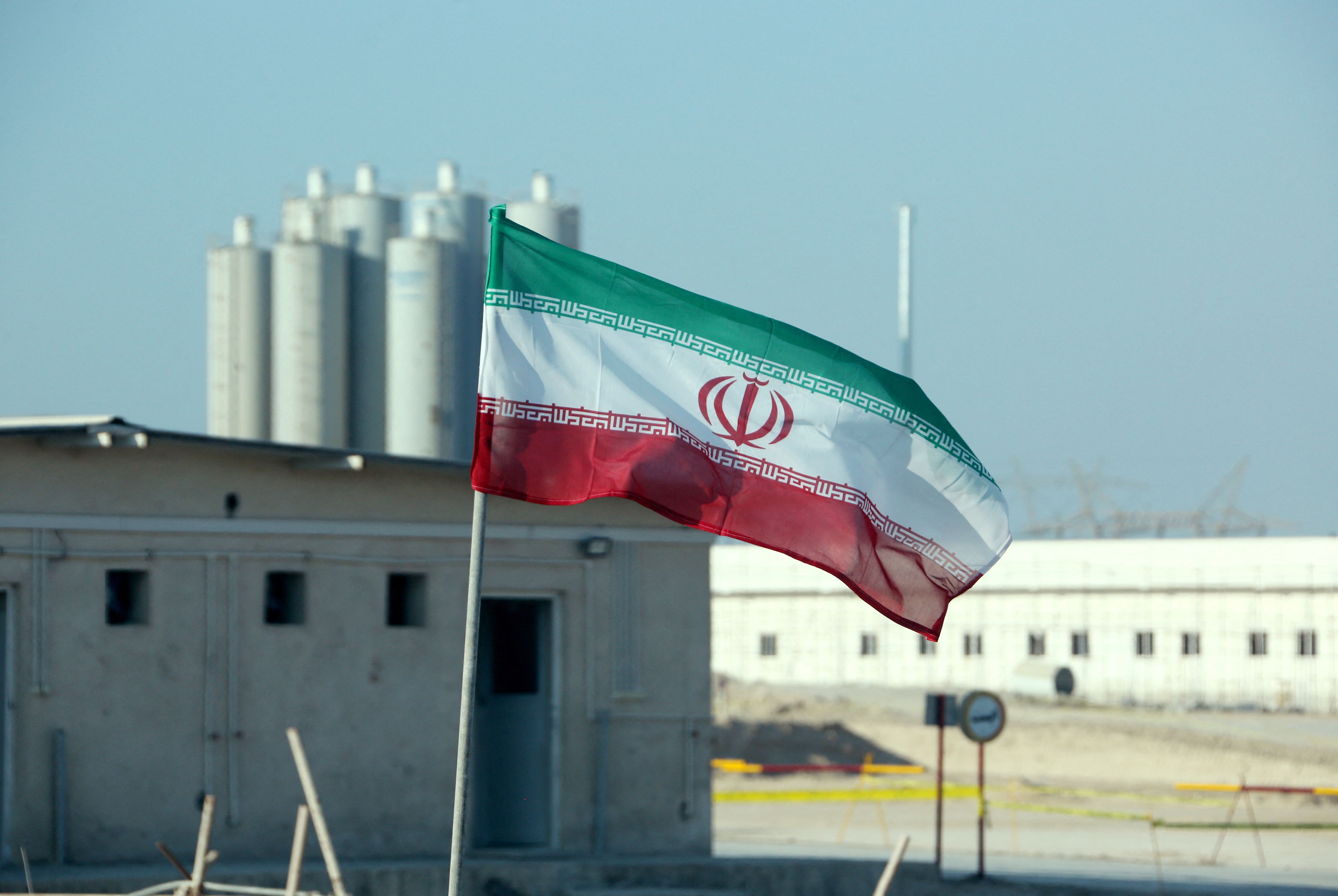
(FILES) This file photo taken on November 10, 2019 shows an Iranian flag in Iran's Bushehr nuclear power plant, during an official ceremony to kick-start works on a second reactor at the facility. - Iran on June 8, 2022 disconnected some of the United Nations' nuclear watchdog's monitoring cameras, the country's Atomic Energy Organisation said in a statement, after Western nations accused Tehran of non-cooperation. The move was announced after a resolution submitted by Britain, France, Germany and the United States to the International Atomic Energy Agency (IAEA) to censure Iran, the first since June 2020 when a similar motion censuring Iran was adopted. (Photo by ATTA KENARE / AFP) ATTA KENARE
Teherán. La tensión se acrecentó este miércoles entre Irán y las potencias occidentales, después que la República Islámica desconectara cámaras de vigilancia en instalaciones nucleares y de que el Organismo Internacional de Energía Atómica (OIEA) la condenara por falta de cooperación.
La resolución condenatoria, la primera desde junio del 2020, fue presentada por Estados Unidos, Reino Unido, Francia y Alemania, cuando las negociaciones para reactivar el acuerdo sobre el programa nuclear iraní del 2015 están estancadas. Fue aprobada por 30 miembros del OIEA, en tanto que Rusia y China votaron en contra, según fuentes diplomáticas. India, Libia y Pakistán se abstuvieron.
La resolución urge a Irán a “cooperar” con el OIEA, que lamentó en marzo la ausencia de explicaciones “técnicamente creíbles” sobre los restos de uranio enriquecido detectados en tres plantas nucleares no declaradas. Francia, Alemania, Reino Unido y Estados Unidos volvieron a la carga por la noche, urgiendo a Teherán a “respetar sus obligaciones jurídicas y cooperar con el OIEA para aclarar y resolver íntegramente esos temas, sin plazos suplementarios”.
Israel celebró la medida, considerando que es “un primer y necesario paso hacia el objetivo de que Irán cumpla con sus obligaciones de salvaguardas” nucleares. Irán anunció poco antes la desconexión de algunas cámaras de vigilancia, afirmando que estas funcionaban como un “gesto de buena voluntad” y no por “obligación”, como lo creía la OIEA.
“A partir de hoy, las autoridades competentes han recibido instrucciones de desconectar el Monitor de Enriquecimiento en Línea (OLEM) y las cámaras del medidor de flujo del organismo”, dijo la autoridad nuclear iraní en un comunicado. El texto no especifica cuántas cámaras se apagaron, aunque asegura que “más del 80% de las cámaras existentes en el organismo están operando en aplicación del acuerdo de salvaguardias y seguirán funcionando igual que antes”.
Una bandera iraní ondea en la planta de energía nuclear Bushehr, en Irán. (ATTA KENARE/AFP)
‘No hay actividades ocultas’
Copiado!
El jefe de la organización nuclear iraní, Mohammad Eslami, manifestó que “Irán no tiene actividades nucleares ocultas o no documentadas o emplazamientos no declarados”, según la agencia estatal de noticias IRNA.
“Esos documentos falsos buscan mantener la máxima presión” sobre Irán, añadió, en referencia a las sanciones económicas que Washington volvió a imponer cuando el entonces presidente Donald Trump abandonó en el 2018 el acuerdo nuclear entre Irán y las potencias mundiales.
“Esta reciente decisión de tres países europeos y de Estados Unidos al presentar un proyecto de resolución contra Irán es político”, aseguró Eslami, y añadió que “Irán ha tenido una cooperación máxima con el OIEA.” Las conversaciones para reactivar el acuerdo nuclear se iniciaron en abril de 2021 con el objetivo de que Estados Unidos volviera a participar, levantara las sanciones y consiguiera que Irán volviera a los límites que había acordado para sus actividades nucleares.
Pero las negociaciones se han estancado en los últimos meses y el jefe de la diplomacia de la Unión Europea, Josep Borrell, advirtió el pasado fin de semana que la posibilidad de volver al acuerdo era “cada vez menor”.