Intimidación, propaganda y hambre: tácticas de Rusia en territorios anexados de Ucrania
Kremlin prohibió a casi todos, excepto a las madres de niños pequeños y a los ancianos, abandonar las cuatro regiones que anexó a fines de setiembre
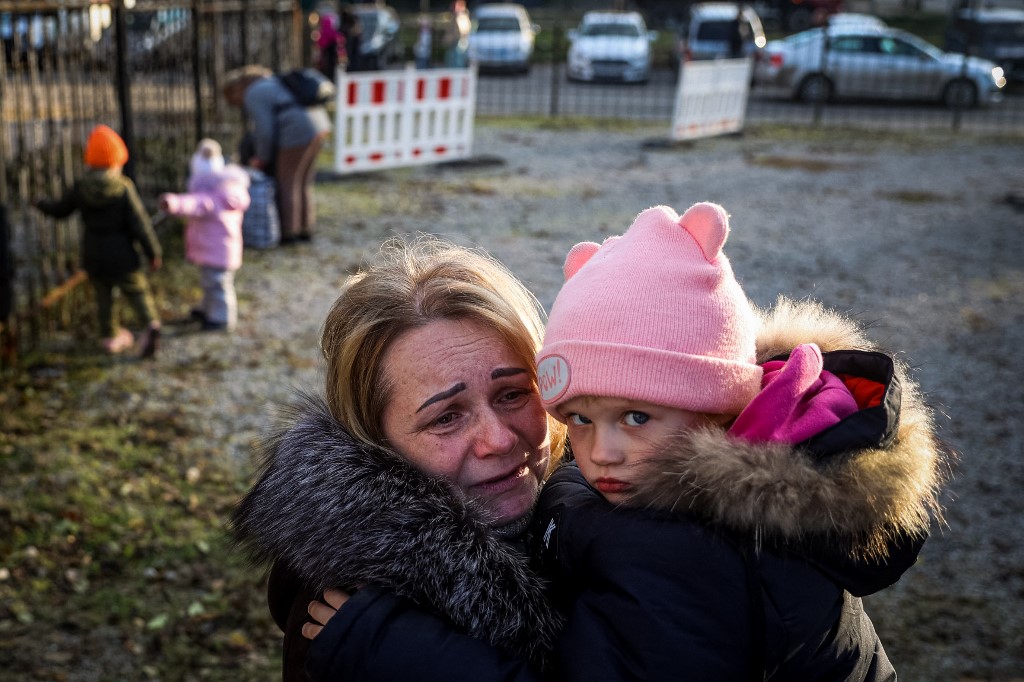
Svetlana Titova, 52, hugs her granddaughter as they arrive from the Russian-held town of Berdyansk, at a humanitarian relief centre in the central Ukrainian city of Zaporizhzhia on November 7, 2022, amid the Russian military invasion on Ukraine. - Psychiatrists at the humanitarian relief centre prepare to receive those displaced by war, offering them immediate counselling and further guidance. (Photo by ANATOLII STEPANOV / AFP) ANATOLII STEPANOV
Zaporiyia. Una bajó del autobús de evacuación con un llanto tan fuerte que apenas podía hablar. La otra, con lágrimas en los ojos pero un inmenso alivio dibujado en su rostro. Svitlana Tytova y Tetiana Verjykovska llegaron de la ciudad Berdiansk ocupada por los rusos en la costa del mar Negro.
La alegría que sintió Svitlana Tytova al llegar a tierras controladas por el gobierno ucraniano le trajo inmediatamente dolorosos recuerdos de lo que vivió en los últimos meses. “Huimos porque ocho hombres armados con rifles automáticos entraron a nuestra casa”, contó esta periodista de 52 años, mientras abrazaba a su nieta. “Estaban congregando a la gente”, añadió la mujer, que no tiene fuerza suficiente para decir más al respecto.
A unos metros de ella, Tetiana Verjykovska se frota los ojos y sonríe. “¡Esto es libertad!”, dijo esta coreógrafa de 29 años. “Creo que me las puedo arreglar ahora”. Sin embargo, Tetiana Chekoy no está tan segura sobre eso.
La psiquiatra de 45 años asesoró a miles de ucranianos desplazados por los primeros combates en el 2014 con los separatistas apoyados por Rusia en el este de Ucrania. Según ella, las tácticas rusas desde su invasión de Ucrania, lanzada a fines de febrero, mezclan intimidación psicológica y lavado de cerebro. “Cada una de estas personas tiene trastorno de estrés postraumático”, dijo Chekoy.
‘Marcados psicológicamente’’
Copiado!
Chekoy y su colega psiquiatra Ulyana Ilman ofrecen un panorama de las tácticas psicológicas que el Kremlin parece estar usando para lograr que los ucranianos acepten ser rusos.
Los periodistas independientes no tienen acceso a las regiones ocupadas y las personas que huyen destruyen toda la correspondencia u otra evidencia antes de acercarse a los puestos de control rusos. Las dos mujeres pasan sus días en un centro especializado, cerca del único puesto de control donde los ucranianos aún pueden cruzar la línea del frente sur.
Solo un puñado de personas pasan por este puesto de control cada día. El Kremlin prohibió a casi todos, excepto a las madres de niños pequeños y a los ancianos, abandonar las cuatro regiones que anexó a fines de setiembre. “Los rusos ahora ven a esta gente como su propiedad. Están tratando de acabar con ellos”, dijo Ilman. “Y les deja cicatrices psicológicas”.
Svitlana Tytova, una periodista de 52 años, comentó huyó con su familia porque ocho hombres armados con rifles automáticos entraron a su casa. (ANATOLII STEPANOV/AFP)
Doctrina oficial
Copiado!
Chekoy cuenta la historia de una mujer del pueblo de Vasylyvka, en la región ocupada de Zaporiyia, que le marcó. “Los rusos le ordenaron que diera clases (después de la anexión) porque era muy respetada y esto podría hacer que los estudiantes regresaran a clases”, contó Chekoy.
La mujer “tuvo que dar clases con un cañón de tanque apuntando a la escuela”, añadió, como para recordarle que la versión de la historia y la guerra que se enseñaba en clase tenía que seguir el guión del Kremlin.
Según Chekoy, la escuela estaba decorada con banderas en las que estaban inscritos gritos de guerra de los soviéticos durante la Segunda Guerra Mundial. El Kremlin tacha a las autoridades de Ucrania de nazis y justifica su invasión de Ucrania como algo necesario para “salvar” a la población rusófona de un “genocidio”.
La mujer afirmó también que “los rusos bloquearon todas las cadenas de televisión (ucranianas) y ahora difunden las suyas”. “Mis amigos me contaron que las personas que vivieron así durante dos o tres semanas ya habían cambiado su forma de pensar”, dijo. Los métodos rusos de adoctrinamiento “están funcionando”, agregó.
Hambrientos y ‘desorientados’
Copiado!
Según las dos psiquiatras, la escasez crónica de productos básicos y alimentos ayudó a desgastar la resistencia de la gente. “Tienen un plan de acción bien establecido”, dijo Chekoy. “Primero destruyen moralmente a una persona. Y luego comienzan a endoctrinar”.
Ambas psiquiatras coinciden en que muchas de las personas que escaparon de las zonas ocupadas, en particular los niños, parecían hambrientos, y recalcan el importante rol que según ellas tiene la falta de comida en este país traumatizado por la hambruna en las décadas de 1930 y 1940, en la época soviética.
Ilman dice que “vio a niños abalanzarse sobre alimentos” al llegar a territorios controlados por Kiev. “Algunos niños no podían dejar de comer: comían y corrían al baño y luego volvían y comían más”, añadió Chekoy. Pero lo que más preocupa a ambas mujeres son las cicatrices psicológicas.
“Muchos de los que vienen están desorientados. Les hacemos preguntas pero no entienden bien las preguntas”, explicó. “Algunos lloran y ríen al mismo tiempo. Son señales de histeria, de estrés”.
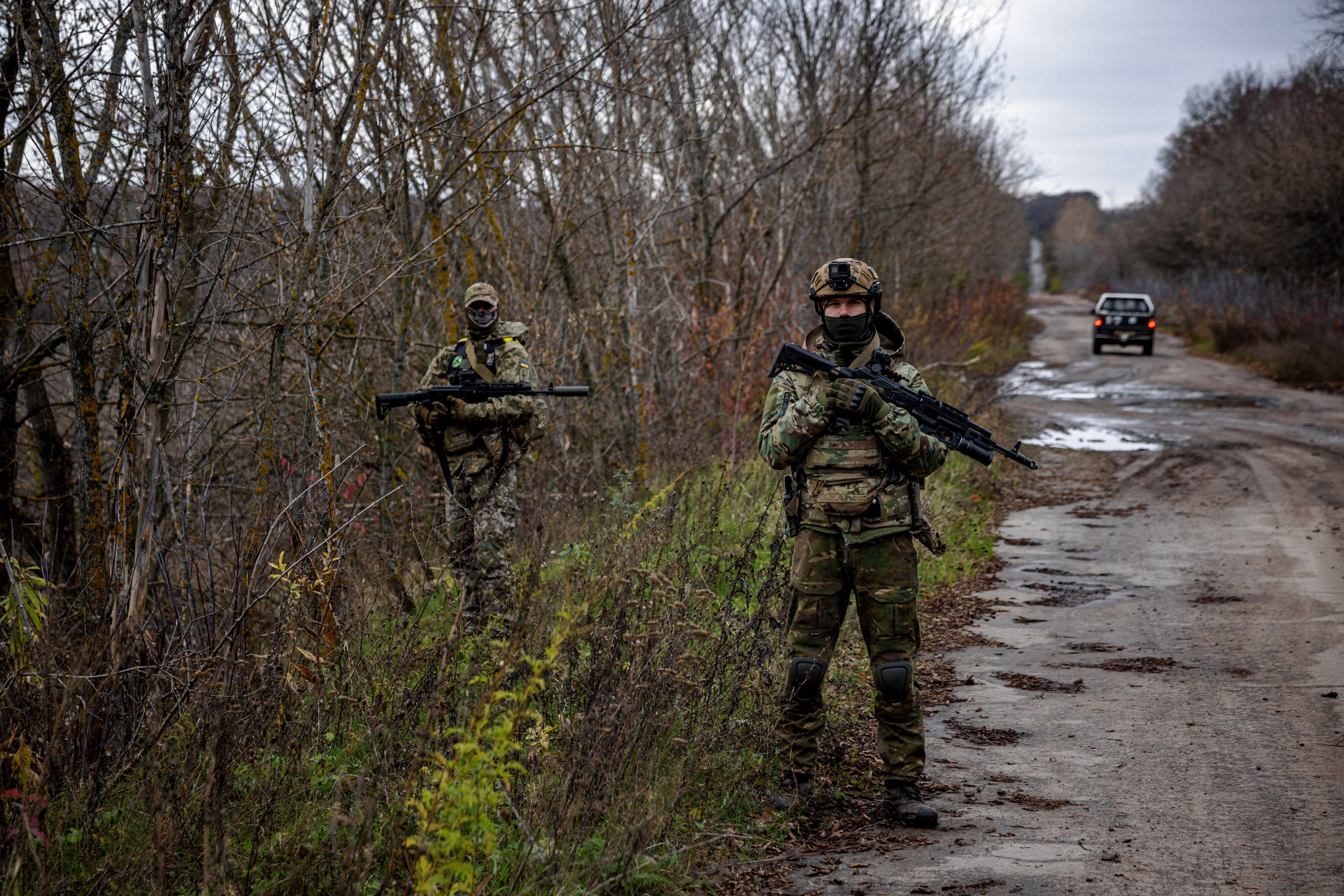
El Kremlin prohibió a casi todos, excepto a las madres de niños pequeños y a los ancianos, abandonar las cuatro regiones que anexó a fines de setiembre. (DIMITAR DILKOFF/AFP)