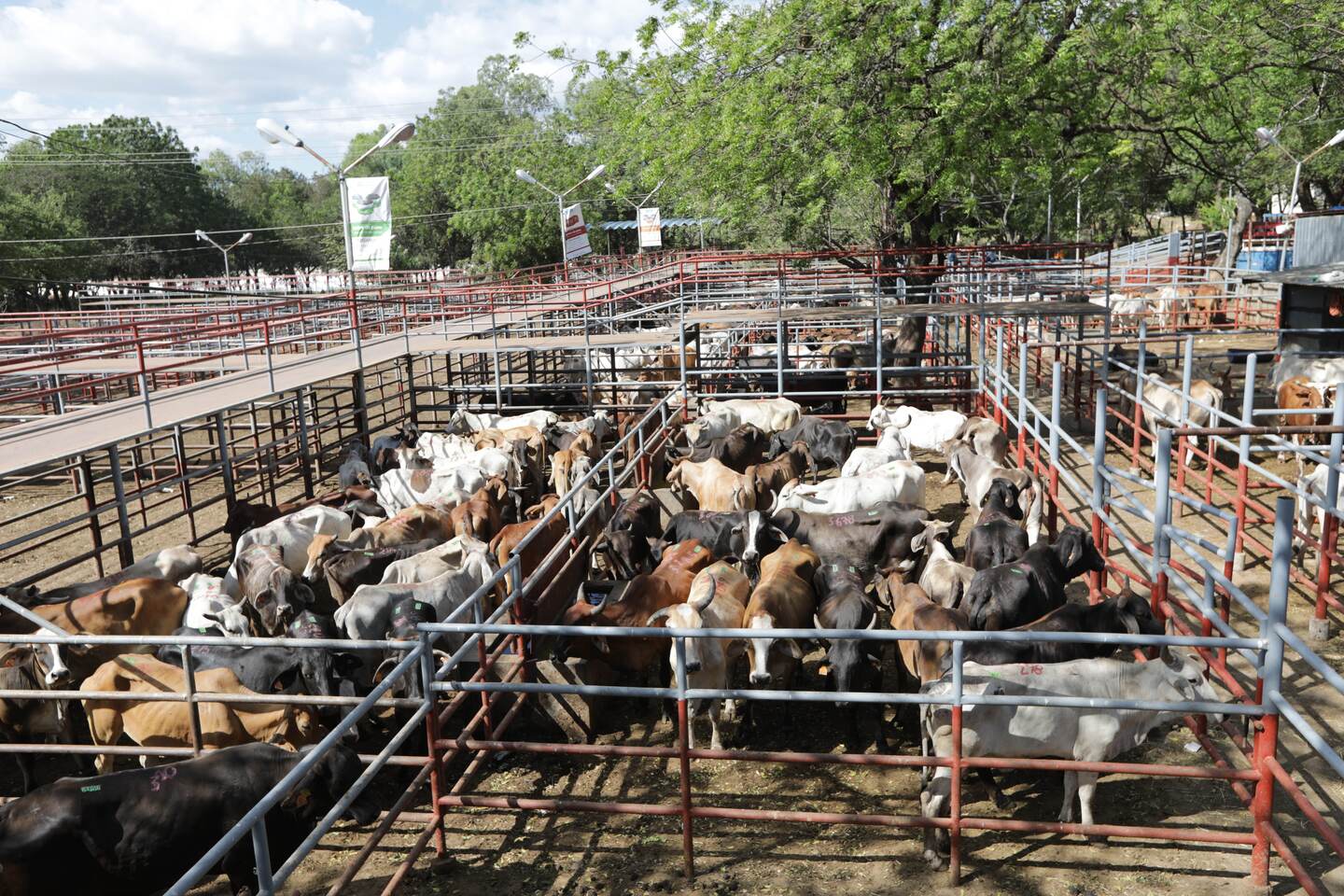

Los Angeles. Rodeado de árboles caídos y vacas lánguidas, el ganadero ilegal Chacalin inspecciona un claro en lo profundo de una de las selvas tropicales protegidas más grandes que quedan en Nicaragua.
"Cuando yo vine a este lugar, yo conocí que todo era reserva. (Me dije) yo voy a agarrar mi tuco (trozo) de tierra porque no lo compro, no pago. Entonces así lo estamos haciendo", dice ante la cámara con la cabeza gacha. "Si me sacan de aquí me pueden quitar la tierra, pero yo no pierdo dinero".
Desde 2016 y por varios años, los realizadores Camilo de Castro y Brad Allgood visitaron la Reserva Biológica Indio Maíz para realizar un documental sobre las amenazas de la deforestación y las violaciones de los derechos indígenas.
La selva tropical de aproximadamente 2.600 kilómetros cuadrados que se extiende hasta Costa Rica es refugio de biodiversidad y hogar sagrado del pueblo indígena rama. Pero a pesar de las protecciones legales, vio llegar cada vez más colonos.
Tras el estallido de las protestas contra el gobierno de Daniel Ortega en 2018, que fueron violentamente reprimidas con un saldo de más de 350 muertos, según la Organización de las Naciones Unidas (ONU), De Castro tuvo que huir de su país.
Desde entonces, la situación en Indio Maíz (sureste) no ha hecho más que empeorar, y la represión cada vez más intensa de los opositores ha hecho que sea demasiado peligroso para los cineastas regresar.

De Castro fue uno de los 94 disidentes despojados en febrero de su ciudadanía por las autoridades nicaragüenses, junto con su madre, la escritora Gioconda Belli, y ahora vive en el exilio en Costa Rica.
Gracias a gente dentro del país que les enviaba actualizaciones e imágenes a través de la aplicación cifrada Signal, los realizadores estrenaron “Patrullaje” este viernes en el festival estadounidense de documentales Mountainfilm en Telluride, Colorado, con la esperanza de llamar la atención del mundo sobre la situación.
"Este es probablemente el último documental independiente que saldrá sobre Nicaragua en mucho tiempo", señala De Castro.
"Básicamente, el gobierno ha levantado un muro alrededor del país para que la gente de adentro no pueda escuchar nada que provenga del exterior y no pueda compartir información sobre lo que realmente está sucediendo en el país".
“Colonización”
El documental sigue a indígenas ramas y nativos afrodescendientes mientras patrullan sus tierras en canoas y a pie a través de la densa y traicionera selva, sorteando la furia de los ríos, lidiando con garrapatas y jaguares.
Narra sus encuentros con grupos cada vez mayores de colonos ilegales recién llegados. Muchos trabajan para ricos ganaderos que viven fuera de la reserva y les pagan por talar y limpiar la tierra antes de que lleguen las vacas.
Durante la filmación, una patrulla indígena encuentra una gran hacienda ganadera enclavada en plena reserva, y lo informa a la policía y a funcionarios del gobierno nicaragüense.
La respuesta que reciben es que deben pagar si quieren que la policía investigue, mientras una reunión con un ministro nunca llega a concretarse.
Allgood cree que, a diferencia de lugares como la extensa selva amazónica, Indio Maíz es un "área pequeña" donde "no sería difícil colocar barreras para evitar que ingrese gente".
Pero el gobierno está "haciendo la vista gorda: está a la vista pero nadie presta atención", dice.
Mientras tanto, el conflicto por la tierra derivó en violencia, con asesinatos de indígenas por parte de colonos, muchos de los cuales quedan impunes.
"Hay mucho racismo involucrado", sostiene De Castro. "Yo diría que estamos filmando la última etapa de 500 años de colonización en Nicaragua".
“Respetar la ley”
El 90% de la deforestación en la región se debe a la ganadería ilegal, según Christopher Jordan, director para América Latina de la organización ambientalista Re:wild.
"La corrupción del gobierno les permite robar y deforestar la tierra sin consecuencias", denuncia en la cinta.
La carne vacuna es uno de los mayores productos de exportación de la empobrecida Nicaragua, sexto proveedor de Estados Unidos.
En 2015 se eliminó una ley estadounidense que exige que la carne de res lleve una etiqueta de "país de origen", lo que significa que los consumidores rara vez pueden saber si sus hamburguesas o filetes provienen de animales criados en tierras forestales indígenas.
Si bien muchas empresas importadoras aseguran rastrear el origen de su carne hasta la granja, De Castro y Allgood dicen que esto no es posible en Nicaragua, donde el proceso de trazabilidad es demasiado opaco.
"Hablamos de petróleo, hablamos de minería... pero la industria alimentaria todavía no es algo que esté recibiendo suficiente atención", afirma De Castro.
"Lo que queremos es que los consumidores sean más cautelosos, que hagan preguntas cuando compren carne de res en el supermercado".
¿En cuanto al gobierno de Nicaragua? "Lo que necesitamos es voluntad política, para que realmente hagan un ejemplo de algunos de estos ganaderos ilegales y los metan en la cárcel", señala.
“Una vez que metan a algunos de ellos en la cárcel, la gente lo pensará dos veces antes de entrar. Eso es lo que queremos. Queremos que el gobierno respete la ley”.
