BCE rebaja previsión de crecimiento en el 2022 y prevé aumento de inflación por invasión en Ucrania
Riesgos para la economía de la eurozona han aumentado significativamente debido al conflicto armado en Ucrania
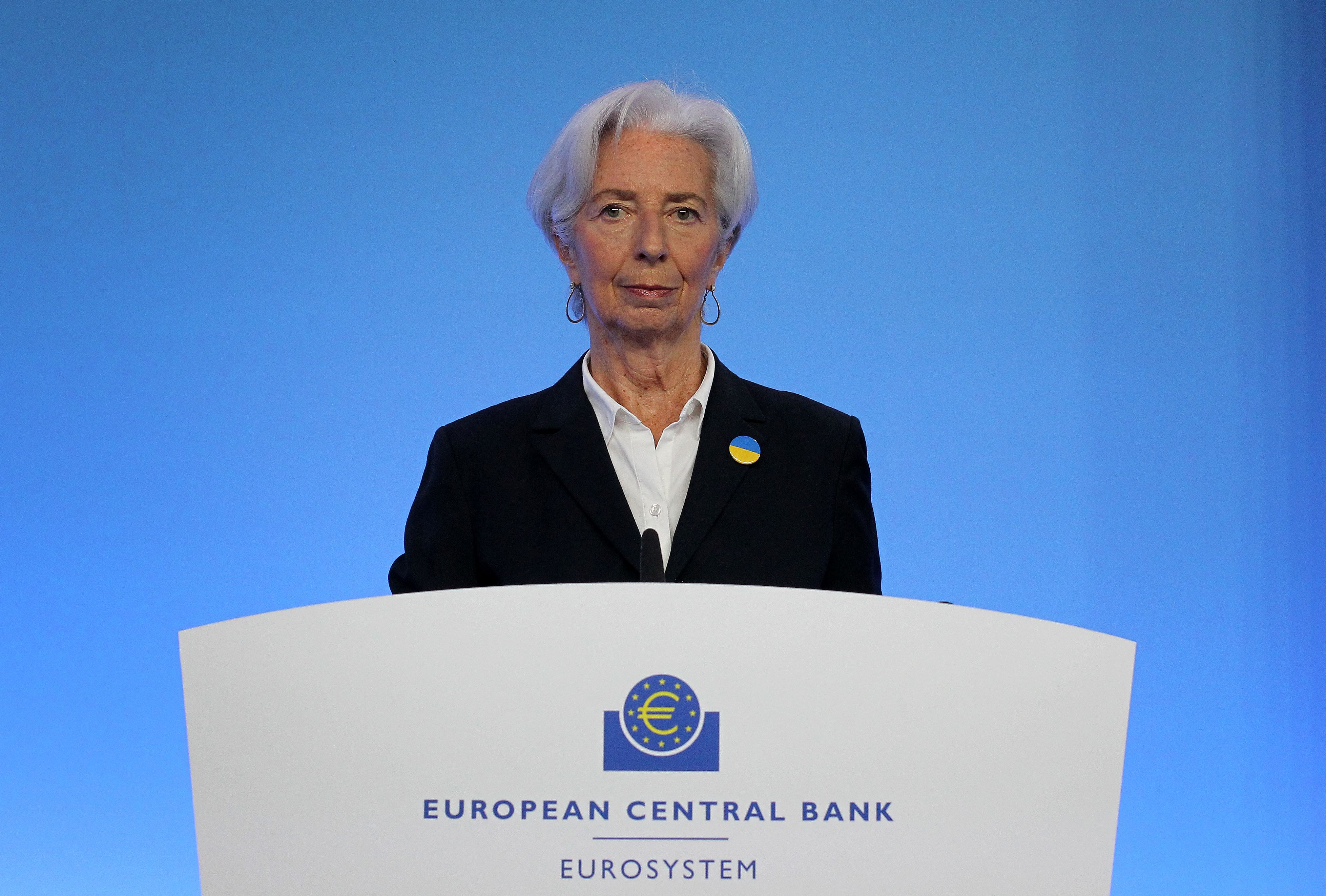
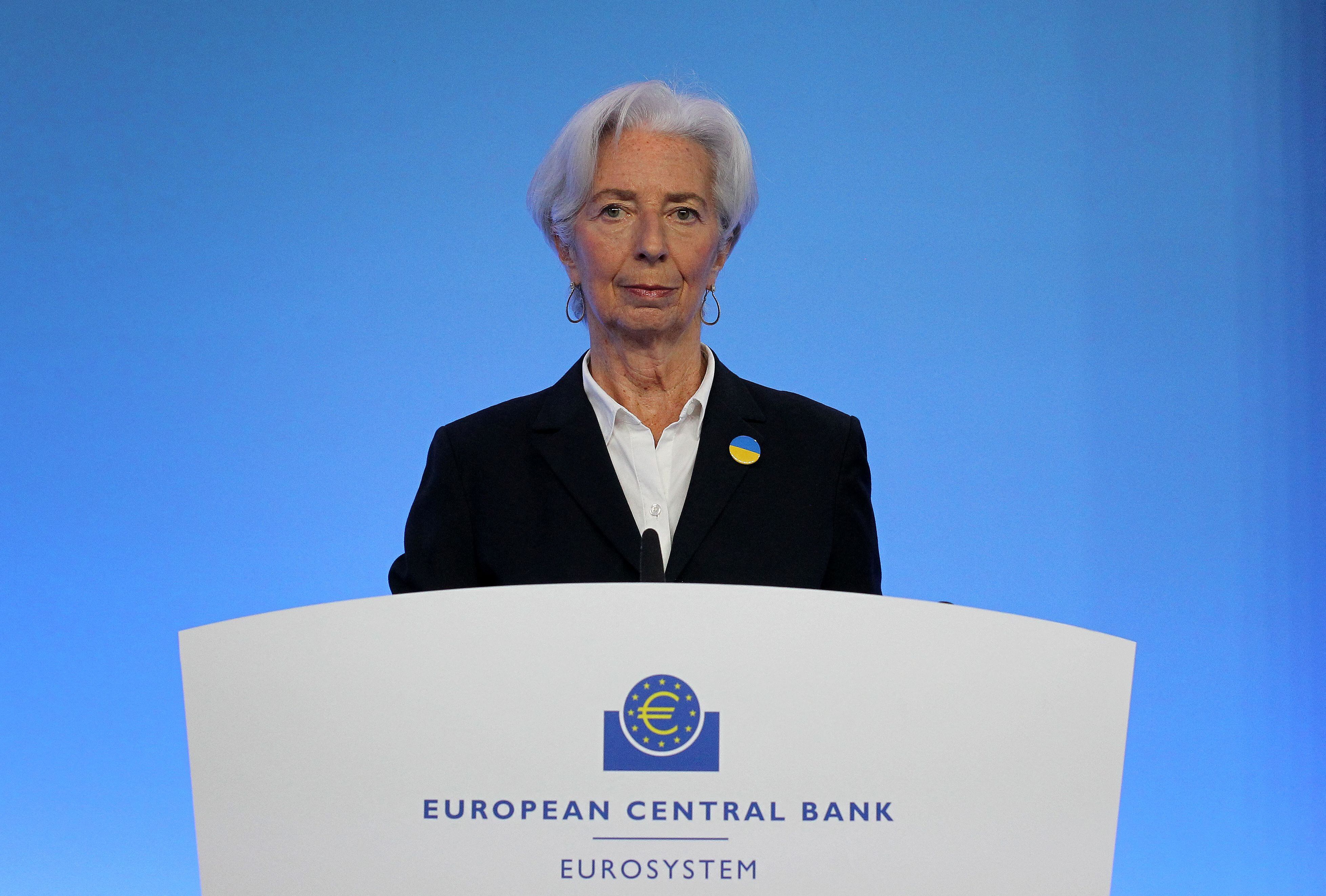
Christine Lagarde, President of the European Central Bank (ECB) holds a news conference following the meeting of the governing council of the ECB in Frankfurt am Main, western Germany, on March 10, 2022. - The European Central Bank sped up its plans to wind down its bond-buying programme but gave itself time before raising interest rates, as the conflict in Ukraine clouded the outlook for the eurozone. The Russian invasion was a "watershed for Europe", the bank said in a statement, reaffirming a pledge to "take whatever action" to stabilise the economy. (Photo by Daniel ROLAND / POOL / AFP) DANIEL ROLAND
Fráncfort. El Banco Central Europeo (BCE) rebajó en 0,5% su previsión de crecimiento del PIB de la eurozona en el 2022, al tiempo que elevó en casi 2% su previsión de inflación debido al impacto económico de la guerra en Ucrania.
Esta guerra “tendrá un impacto significativo en la actividad económica y en la inflación, con el aumento de los precios de la energía y de las materias primas, la perturbación del comercio internacional y la confianza”, afirmó la presidenta del BCE, Christine Lagarde.
Los riesgos para la economía de la eurozona “han aumentado significativamente” debido al conflicto, añadió. Los expertos del BCE prevén que el PIB aumente un 3,7% este año, frente al 4,2% de las últimas proyecciones, mientras que la subida de precios alcanzaría el 5,1%, frente al 3,2% previsto hasta ahora.
“Todavía se espera que la economía de la Eurozona crezca con fuerza en 2022, pero a un ritmo más lento de lo que se esperaba antes de que empezara la guerra”, manifestó Lagarde. Los precios de la energía, que se dispararon un 31,7% en febrero, siguen impulsando la inflación, según la institución.
La energía “sigue siendo la principal razón de esta elevada tasa de inflación y está haciendo subir los precios en muchos otros sectores”, aseveró Lagarde. Los precios, ya afectados por la elevada demanda tras la pandemia y la falta de oferta, se ven ahora presionados al alza por la guerra de Ucrania porque Rusia es uno de los principales proveedores de energía de la Unión Europea.
Con un pin azul y amarillo —los colores de la bandera de Ucrania— en la solapa, Lagarde expresó que la institución con sede en Fráncfort “mantendrá abiertas todas las opciones” para proteger a la economía del impacto de la guerra y de los elevados precios de la energía.
Christine Lagarde, presidenta del BCE, afirmó de que la guerra “tendrá un impacto significativo en la actividad económica y en la inflación". (DANIEL ROLAND/AFP)
En su reunión, los responsables del BCE confirmaron el fin este mes del programa de compra masiva de bonos de emergencia para la pandemia (PEPP) este mes. Sin embargo, el BCE sorprendió a los observadores al anunciar que aceleraría la reducción del programa de compra de bonos, anterior a la pandemia, que ahora debería terminar en el tercer trimestre de 2022.
Por otra parte el BCE mantuvo sus principales tasas de interés en su nivel más bajo de la historia, en particular el tipo negativo del 0,50% que grava una parte de la liquidez bancaria no distribuida como crédito a la economía. La institución retrasó el inicio de una posible subida de las tasas de interés, afirmando que se produciría “en algún momento” después del final del programa de compra de activos.
El “horizonte temporal no es lo que más va a importar”, afirmó Lagarde, añadiendo que la subida podría producirse “la semana siguiente” o “meses después”, y que los nuevos datos económicos serían el factor decisivo. “Esta decisión da al banco central la máxima flexibilidad y mantiene abierta la opción de una subida de tipos antes de fin de año”, apuntó Carsten Brzeski, jefe de macroeconomía del banco ING.