Cobertura de vacunación de polio está lejos de niveles óptimos en algunas zonas de Costa Rica
El último caso de polio en Costa Rica fue en 1973; sin embargo, enfermedad está regresando a países que los costarricenses visitan con frecuencia
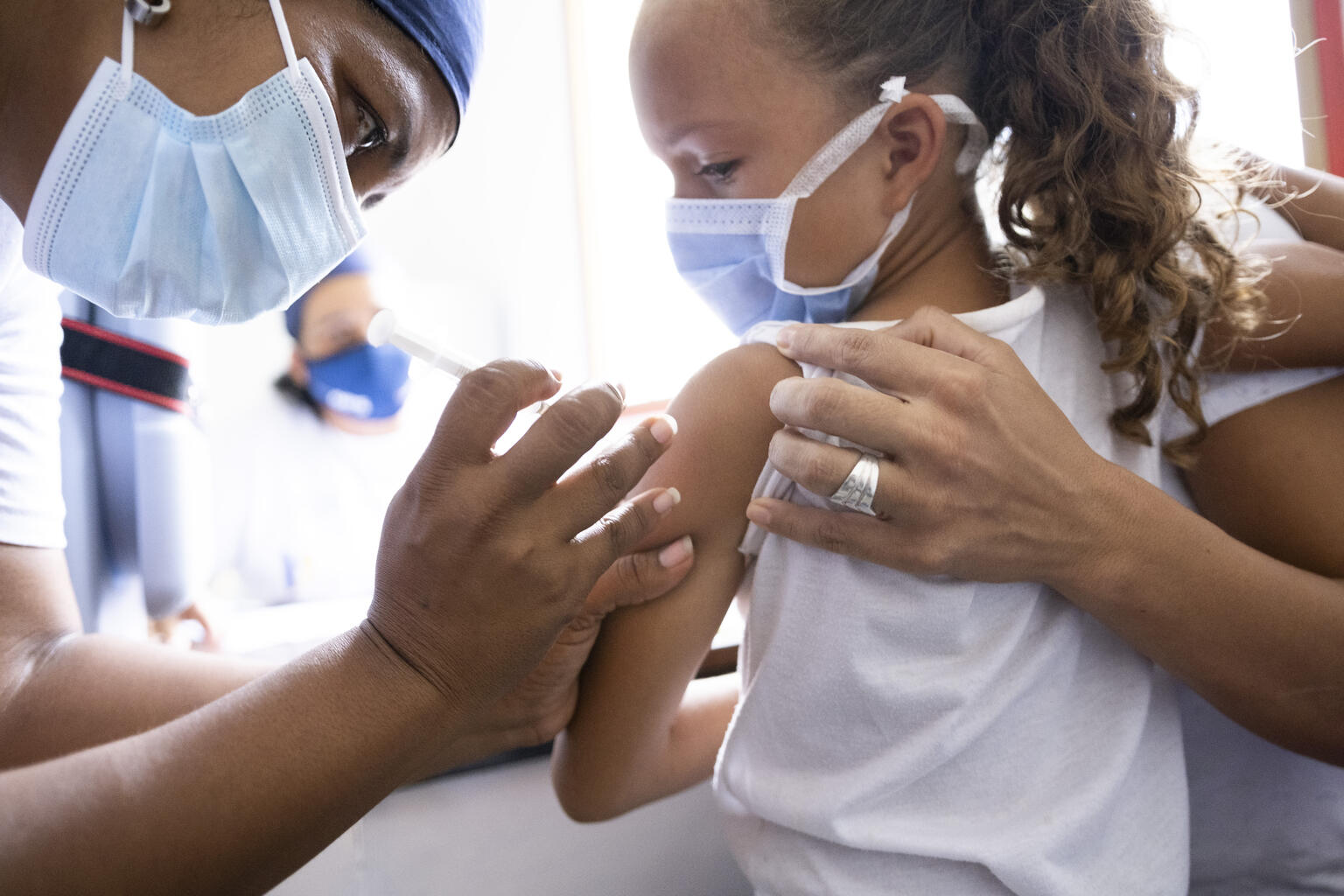
Karla Flores (7) is vaccinated during a mass vaccination day in San Vicente community, Miranda state, on September 03, 2021.
UNICEF supports vaccination days like these, made in San Vicente community which is located 2 hours from Caracas. In addition to receiving the necessary vaccines to stay healthy, children and adolescents who attended also received children’s rights conventions and recreation thanks to the support of UNICEF.
UNICEF supports the regular immunization programme and vaccination campaigns in Venezuela through vaccine procurement and technical assistance to the Expanded Programme of Immunization (EPI) for regular and supplemental immunization activities. This includes the support of the Ministry of Health’s (MoH) door-to-door immunization campaign for children and pregnant women in the Capital District and distributed of the Diphtheria, Tetanus, Pertussis, Hepatitis B and Hemophilus Influenzae, polio (IPV and bOPV) and yellow fever vaccines to cover national needs.
Furthermore, UNICEF has provided health workers PPE and has supported the MoH with transportation of equipment and staff, including to remote areas.
In 2020, UNICEF procured more than 7.3 million vaccines to protect children against tuberculosis, polio, yellow fever, diphtheria, tetanus, pertussis (DTP), hepatitis B, Haemophilus Influenza type b, measles, mumps, and rubella.
By June 2021, UNICEF has reached to over 160,074 children aged 0 to 12 months through measles vaccines and over 125,797 children aged 0 to 12 months have been vaccinated with three doses of pentavalent vaccine (Diphtheria, Tetanus, Pertussis, Hepatitis B and Haemophilus Influenzae vaccine).
Cesar Poveda
La última vez que Costa Rica vio un caso de polio fue en 1973, pero esto no quiere decir que el país sea completamente inmune a que la enfermedad regrese. La Caja Costarricense de Seguro Social (CCSS) advirtió la tarde de este 24 de agosto que la cobertura de vacunación contra este mal está por debajo del 95%, cifra considerada como óptima para prevenir al máximo su reaparición y evitar que se generen brotes de ingresar casos importados.
La vacunación actual contra esta enfermedad tiene un esquema inicial de tres dosis a los 2, 4 y 6 meses, y dos refuerzos, a los 15 meses y cuatro años. En nuestro país se dejó de usar la vacuna oral en 2010 y se sustituyó por la inyectada, conocida como pentavalente, porque también protege contra otros cuatro padecimientos: difteria, tétanos, tosferina y Haemophilus influenzae tipo B.
En la primera dosis de pentavalente, solo las regiones Central Norte y la Pacífico Central tienen coberturas mayores de 90%. Esta última tiene la mayor vacunación del país, donde el 94,3% tiene la primera inyección. La de menor cobertura es la Huetar Norte, con un 84,4%.
Las dosis siguientes del esquema inicial sí tienen coberturas mayores al 90% en todo el país, es decir más del 90% de quienes recibieron la primera tienen la segunda y más del 90% de quienes tienen la segunda tienen la tercera. Incluso en el Pacífico Central, la totalidad de los niños inoculados por primera vez llegan a la tercera dosis.
Además de la vacunación completa, las personas deben mantener medidas de prevención básicas como el lavado de manos y buenos hábitos de alimentación.
En julio de 2022 se registró en Estados Unidos el caso de un hombre no vacunado que presentaba parálisis por el virus de polio. En las siguientes semanas se encontró el virus en aguas residuales en varios condados, incluida la ciudad de Nueva York. El gobernador decretó estado de desastre.
El 13 de setiembre de ese mismo año, el Centro de Control de Enfermedades (CDC, por sus siglas en inglés) comunicó que Estados Unidos cumplía con los criterios de la Organización Mundial de la Salud (OMS) para declarar la circulación comunitaria de polio, y pasaba a engrosar la lista de países con brotes.
En ese momento, Ciro Ugarte, jefe de Emergencias de la OPS, confirmó que no se han visto casos en América Latina y el Caribe. No obstante, en el continente hay 12 países en riesgo muy alto o alto de reaparición de la enfermedad debido a sus coberturas de vacunación. Brasil, República Dominicana, Haití y Perú están en muy alto riesgo, mientras que Argentina, Bahamas, Bolivia, Ecuador, Guatemala, Panamá, Surinam y Venezuela se consideran de alto riesgo.
En América, en 2022, la cobertura vacunal fue del 79%, la más baja desde 1994.
“Debido a la disminución de las coberturas, el riesgo de que se presenten casos está en el nivel más alto de los últimos 25 años”, subrayó Ugarte.
El virus
Copiado!
De acuerdo con la OPS, la gran mayoría de las infecciones por polio no producen síntomas. Entre un 5% y un 10% de las personas infectadas con este virus pueden presentar síntomas similares a los de la gripe.
En la mayoría de los casos, estos infectados son asintomáticos. Pero si llegan a un lugar donde hay una gran proporción de población no vacunada, estos virus acabarán infectándolos.
Esto es precisamente lo que ocurrió en Nueva York, específicamente en condados donde las coberturas vacunales distan de ser cercanas al 90%.
El virus ingresa al organismo por la nariz o la boca, alcanzan el intestino, se replican activamente en un corto periodo, y solamente entre el 1% y el 5% de los casos llegan al cerebro y a la médula espinal. Allí se multiplican y destruyen las neuronas del movimiento, lo cual genera rigidez y parálisis flácida, ya sea leve o severa. En 1 de cada 200 casos el virus destruye partes del sistema nervioso y ocasiona la parálisis permanente en piernas o brazos.
Cuando este virus afecta el tallo cerebral, la muerte puede sobrevenir con rapidez debido a que el paciente no puede respirar ya que paraliza los músculos de la respiración. En otras palabras, aunque son casos muy raros, estos virus puede atacar las partes del cerebro que ayudan a respirar y causar la muerte.