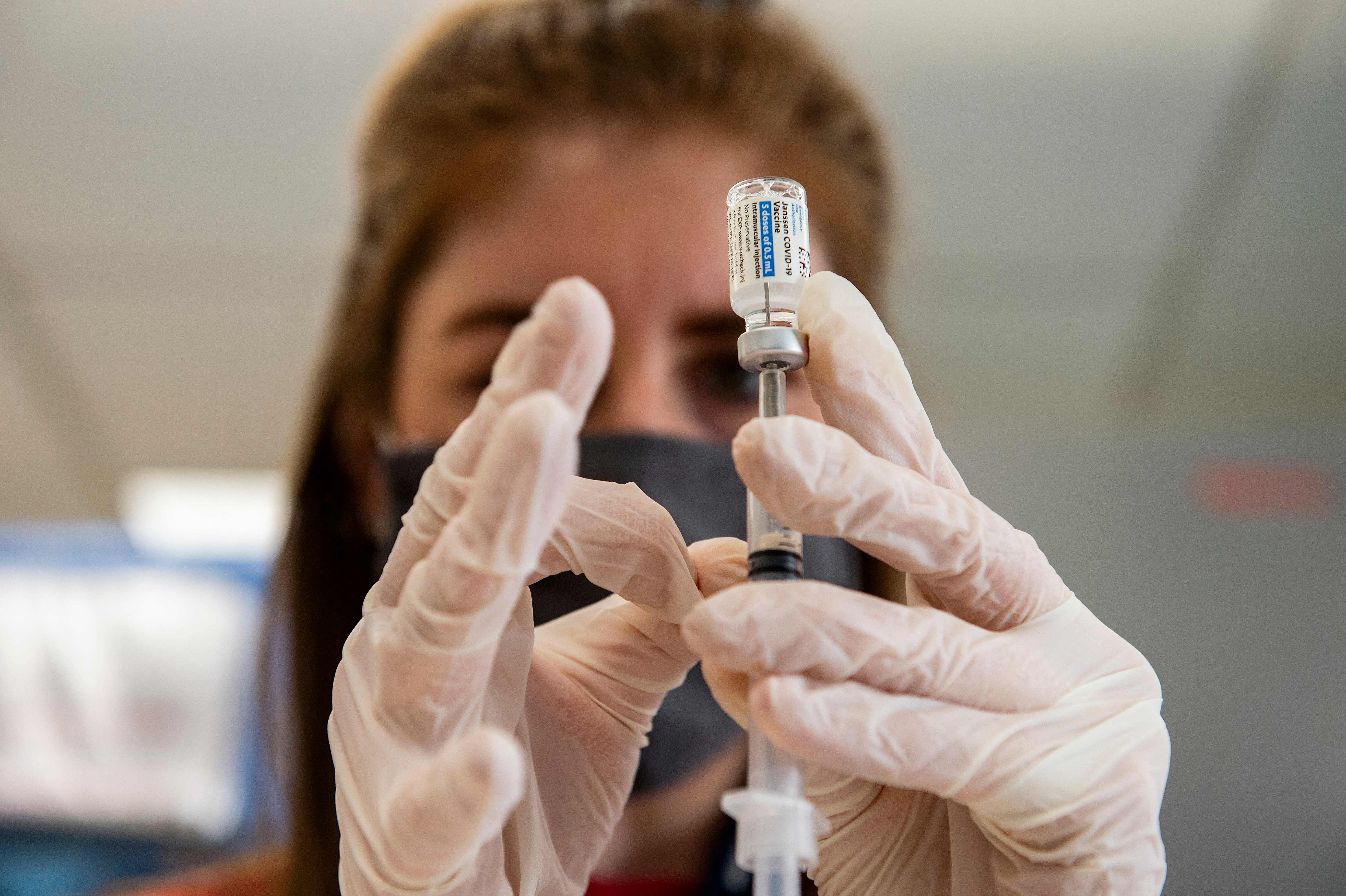
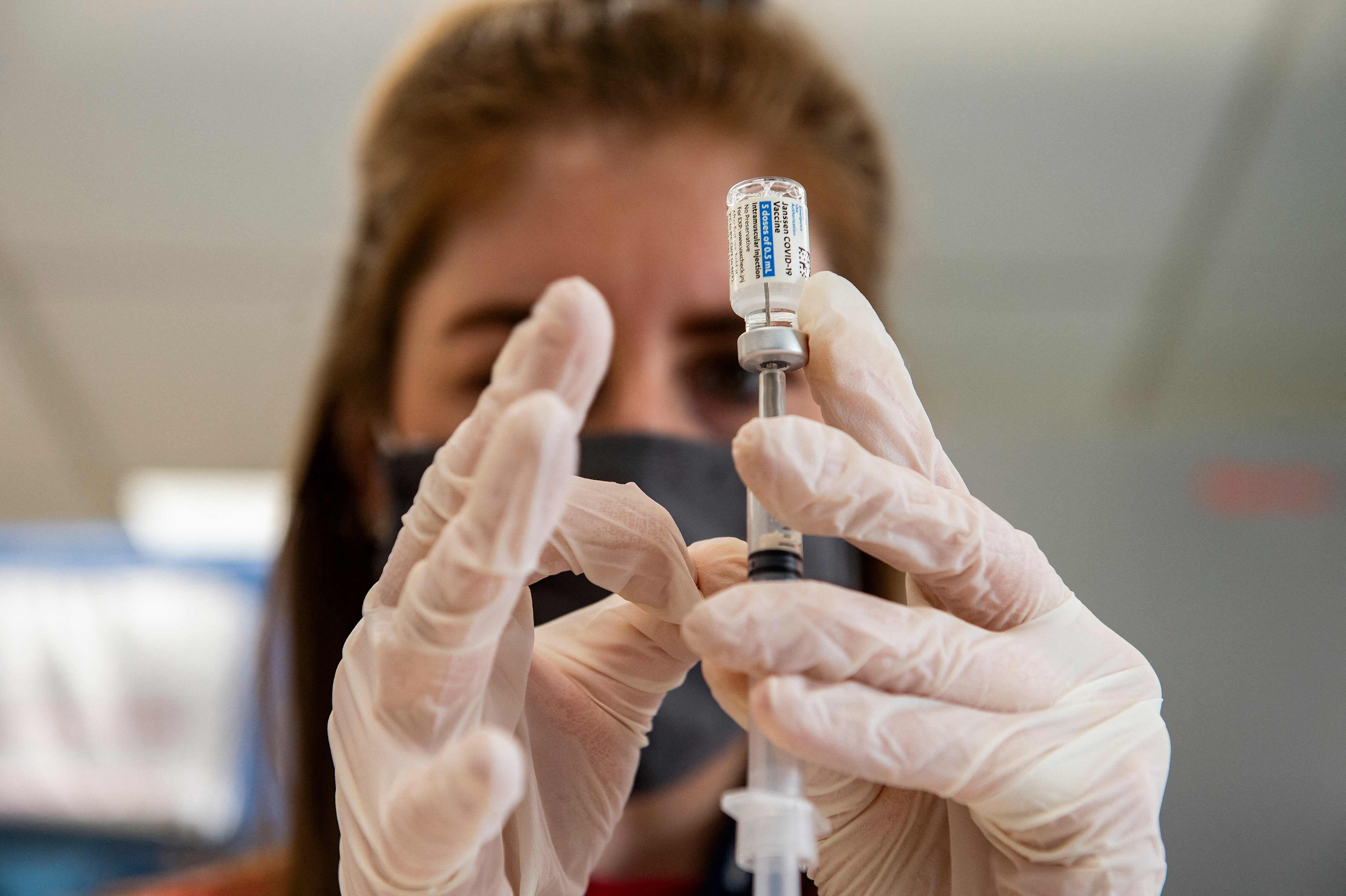
Con base en un sistema de monitoreo federal sobre la seguridad de las vacunas, la FDA identificó 100 casos del poco frecuente trastorno neurológico tras la inyección de 12,5 millones de dosis, indicaron fuentes familiarizadas con el asunto.
De ellos, 95 fueron graves y requirieron hospitalización. Hubo una muerte reportada, agregaron.
“La probabilidad de que ello ocurra es muy baja y la tasa de casos reportados supera por un pequeño margen la tasa base (de incidencia sin ninguna intervención)” en la población general, afirmó; sin embargo, Johnson & Johnson en un comunicado.
LEA MÁS: Johnson & Johnson asegura que su vacuna es efectiva contra la variante delta
La noticia representa un nuevo golpe al inmunizante de J&J, que recibió autorización de uso de emergencia en febrero, pero que tiene un papel menor en la campaña de vacunación de Estados Unidos contra la covid-19.
El GBS es un trastorno neurológico en el que el sistema inmunológico del cuerpo daña las células nerviosas, provocando debilidad muscular o, en los casos más graves, parálisis.
Afecta a un estimado de 3.000 a 6.000 personas cada año en Estados Unidos, y la mayoría se recupera.
La nueva advertencia sobre la vacuna señala que en la mayoría de las personas, los síntomas comenzaron dentro de los 42 días de ser inoculados, en tanto afirma que “la probabilidad de que esto ocurra es muy baja”.
Agrega que las personas deben buscar atención médica inmediata en caso de experimentar debilidad u hormigueo, especialmente en las extremidades, que empeoran o se extienden a otras partes del cuerpo.
También deben consultar en forma urgente si sufren dificultades para caminar, hablar, masticar o tragar, así como para otros movimientos faciales, visión doble o pérdida de función de la vejiga o de los intestinos.
Más beneficios que riesgos
Si bien la FDA trabaja con los Centros para el Control y Prevención de Enfermedades (CDC) en el monitoreo de la seguridad de las vacunas, “continúa considerando que los beneficios conocidos y potenciales superan claramente los riesgos”, afirmaron las fuentes.
Casos de GBS se observaron tras la administración de ciertas vacunas, incluidas las que previenen la gripe estacional y el herpes zóster.
Hasta el momento, no se identificaron señales del trastorno neurológico tras la inoculación con las vacunas contra la covid-19 de Moderna y Pfizer-BioNTech.
La vacuna de J&J sufrió graves problemas de producción y una planta de Baltimore responsable de su fabricación permaneció cerrada durante tres meses debido a problemas de contaminación.
LEA MÁS: Millones de vacunas Johnson & Johnson producidas en EE. UU. son declaradas inutilizables
Asimismo, el inmunizante estuvo sujeto a una pausa de seguridad en abril tras identificarse un mayor riesgo de una rara forma de coagulación, principalmente en mujeres jóvenes.
La suspensión se levantó tras determinarse que el peligro era remoto y que los beneficios superaban con creces los riesgos, pero el episodio dejó una caída duradera en la demanda.
La información surge en momentos en que la demanda de vacunas contra la covid-19 disminuye en Estados Unidos, con solo unas 430.000 inoculaciones al día. El promedio máximo de siete días fue de unas de 3,5 millones de dosis en abril.
Los casos de coronavirus están volviendo a aumentar en los estados del medio-oeste y el sur del país donde la vacunación no avanzó de manera suficiente, con dominio de la variante delta, mucho más contagiosa.