Naciones Unidas mantiene los esfuerzos para permitir exportaciones rusas de amoniaco
Rusia afirmó que sus propias exportaciones de provisiones alimentarias así como de fertilizantes sufren las consecuencias de las sanciones que le impusieron países occidentales
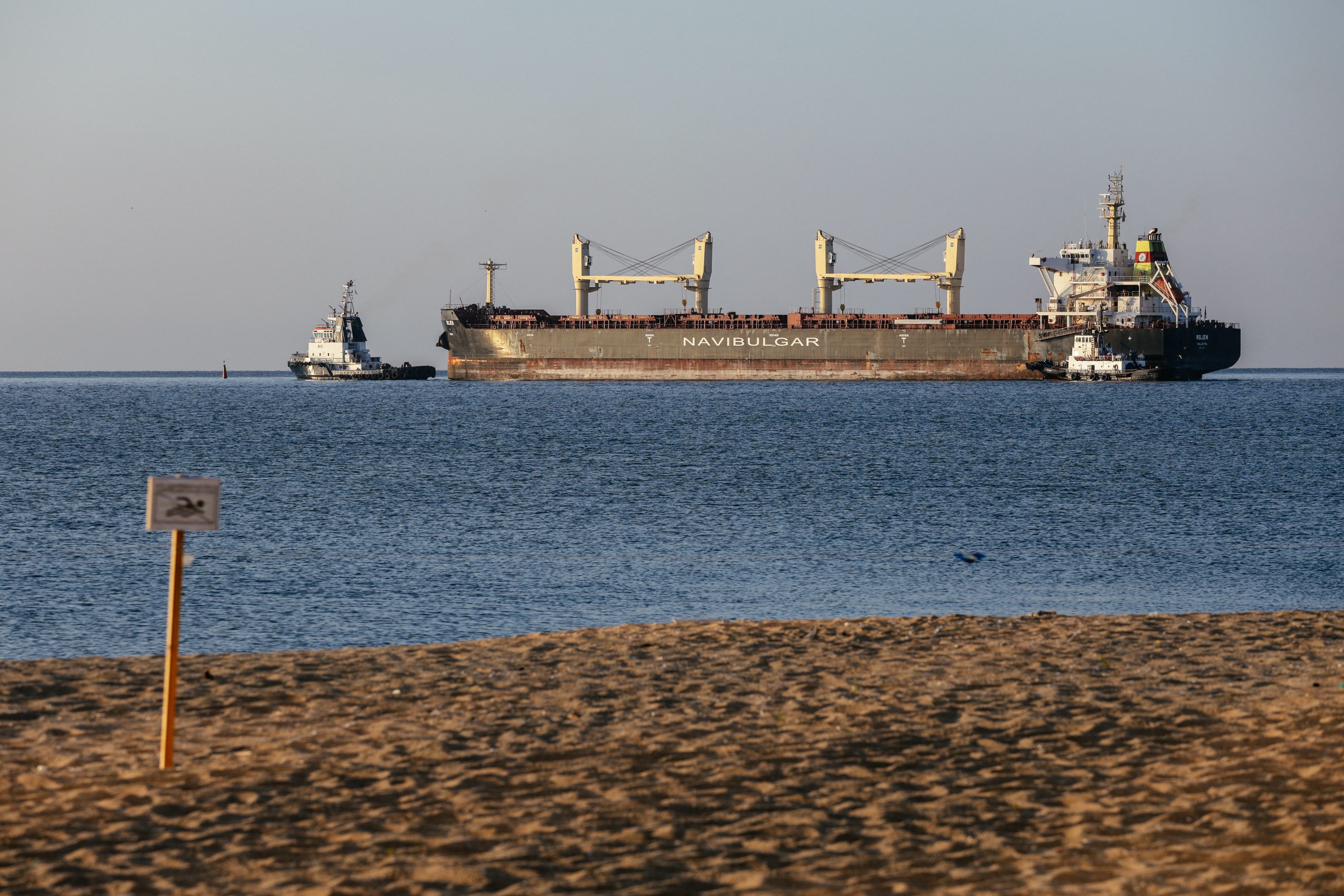
Malta-flagged bulk carrier M/V Rojen vessel, carrying tons of corn, leaves the Ukrainian port of Chornomorsk, before heading to Teesport in the United Kingdom, on August 5, 2022, amid the Russian invasion of Ukraine. - Three more ships loaded with grain sailed from Ukraine under a UN-backed deal lifting Russia's blockade of the Black Sea, Turkey's defence ministry said. The Panama-flagged Navistar left Odessa for Ireland with 33,000 tonnes of grain, it said. And two ships left the port of Chornomorsk -- the Malta-flagged Rojen headed to Britain with 12,000 tonnes of grain, and the Turkish-flagged Polarnet sailed towards Turkey with 12,000 tonnes of grain. (Photo by OLEKSANDR GIMANOV / AFP) OLEKSANDR GIMANOV
Nueva York. Naciones Unidas (ONU) “mantiene los esfuerzos” para permitir las exportaciones rusas de amoniaco, que sirve para fabricar fertilizantes, aseguró el martes Rebeca Grynspan, responsable de la ONU en las negociaciones con Moscú.
El 22 de julio se firmaron dos acuerdos bajo el auspicio de la ONU para permitir por una parte, las exportaciones de cereales ucranianos bloqueadas por la guerra, y por otra, las exportaciones de alimentos y de fertilizantes rusos, pese a las sanciones impuestas por los países occidentales.
El primer acuerdo permitió la salida de 129 barcos con 2,8 millones de toneladas de alimento de los puertos ucranianos, según el centro de coordinación conjunto con sede en Estambul, y que produjo la baja de precios de los cereales a nivel mundial.
Pero Rusia afirmó que sus propias exportaciones de provisiones alimentarias así como de fertilizantes sufren las consecuencias de las sanciones que le impusieron países occidentales.
“Vamos a continuar tratando de encontrar una solución para resolver este problema”, dijo en rueda de prensa Grynspan, asegurando que “las exportaciones han salido de los puertos rusos”.
La funcionaria aseguró que se han hecho progresos gracias a las “aclaraciones” de Estados Unidos y de los europeos sobre las sanciones contra Moscú, de que cuando las mercancías transportadas son alimentos y fertilizantes, no afectan la banca ni las aseguradoras de los buques, ni a los puertos de destino en Europa.
Anteriormente se firmaron dos acuerdos para permitir las exportaciones de cereales ucranianos bloqueadas por la guerra, así como alimentos y fertilizantes. FOTO: (EFE)
“Los fertilizantes son necesarios para que el mundo tenga suficientes alimentos en la próxima cosecha”, insistió Grynspan. Rusia es un importante proveedor global de fertilizantes.
Varios fabricantes de fertilizantes en Europa dejaron de producir amoniaco, obtenido de la combinación de nitrógeno del aire y del hidrógeno del gas natural, a raíz del alza de los precios de dicho combustible.
“La ONU mantiene los esfuerzos para permitir un resultado positivo con respecto a las exportaciones rusas de amoniaco”, afirmó Grynspan, sin dar más detalles de las negociaciones en Ginebra.
Por su parte, el presidente ruso, Vladimir Putin, indicó que quiere volver a discutir el acuerdo sobre las exportaciones ucranianas fuertemente criticado en Rusia.
El jefe del centro conjunto de coordinación, Amir Abdulla, indicó que no ve “ningún signo” de parte de Rusia de retirarse de lo acordado antes del termino previsto de 120 días.