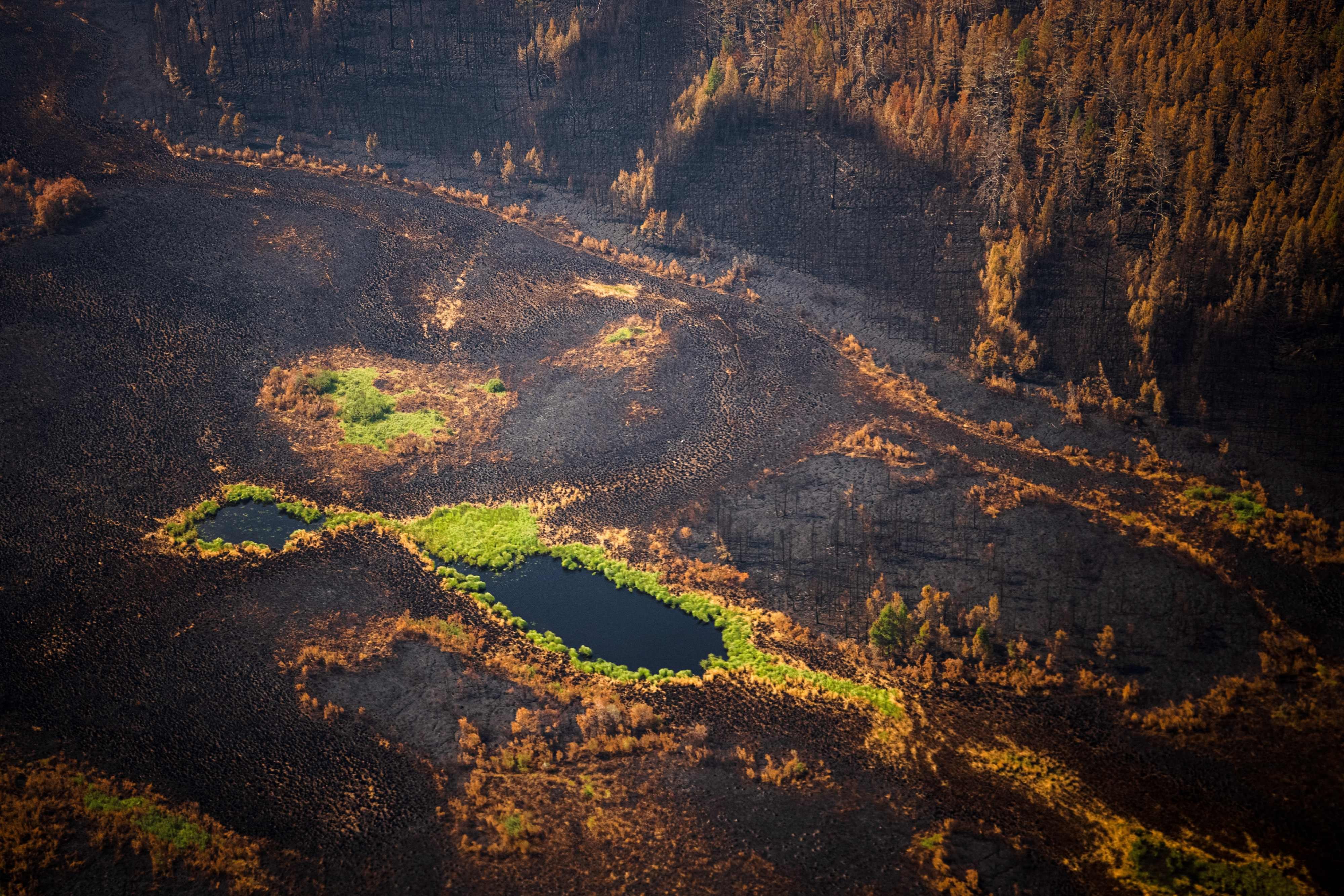
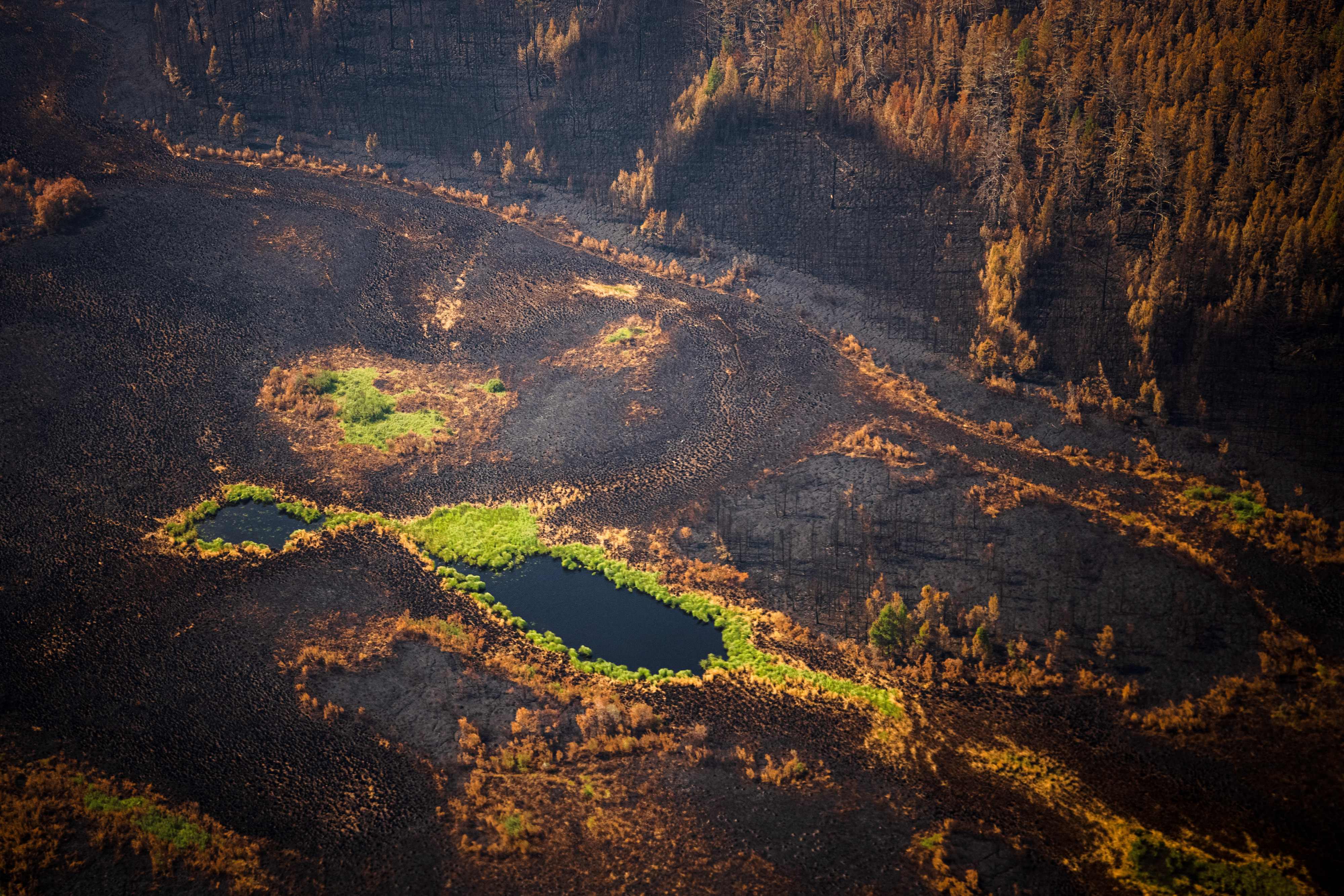
Esta catástrofe ha alcanzado tal magnitud que incluso el humo llegó al Polo Norte, según constató la NASA.
Los científicos rusos apuntan a que los incendios actuales son una consecuencia del aumento global de las temperaturas.
En la región de Yakutia, un área enorme y escasamente poblada en el norte de Siberia, la situación "continúa empeorando con una tendencia creciente en el número y área de incendios forestales", precisó este lunes la agencia meteorológica rusa Rosguidromet en su sitio web.
Según este organismo, más de 3,4 millones de hectáreas de bosques se han quemado, incluso en puntos “de difícil acceso y remotas”.
”Un humo espeso se extiende a lo largo de la vasta zona”, subrayó.
La agencia espacial estadounidense NASA, por su parte, informó el sábado en un comunicado que el humo de los incendios en Yakutia había “atravesado más de 3.000 kilómetros hasta llegar al Polo Norte, lo que parece ser el primero en la historia documentada”.
La NASA asegura que "el humo denso y acre emitido por los incendios forestales cubrió el 6 de julio la mayor parte de Rusia", fotografiada por satélites.
Durante una visita a Yakutia a finales de julio, los bomberos y las autoridades locales dijeron a la AFP que carecían de hombres, equipos y otros recursos para hacer frente a la magnitud de los incendios.
Los ecologistas cuestionan la política rusa de extinción de incendios forestales, incluido un decreto del Gobierno del 2015 que permite a las autoridades locales ignorar los incendios si el costo de apagarlos excede el daño estimado.
Según Alexei Yaroshenko, especialista sobre medioambiente de Greenpeace Rusia, los incendios ya han devastado 14,9 millones de hectáreas en este país desde el 1.° de enero, el peor año después de 2012.
Precisamente, los expertos en clima de la ONU (IPCC) publicaron este lunes un informe en el que afirman que la humanidad es “indiscutiblemente” responsable del cambio climático y no tiene más remedio que reducir drásticamente las emisiones de gases de efecto invernadero, si quiere limitar los daños.
LEA MÁS: (Fotos y video) Calentamiento global se acelera con consecuencias ‘sin precedentes’