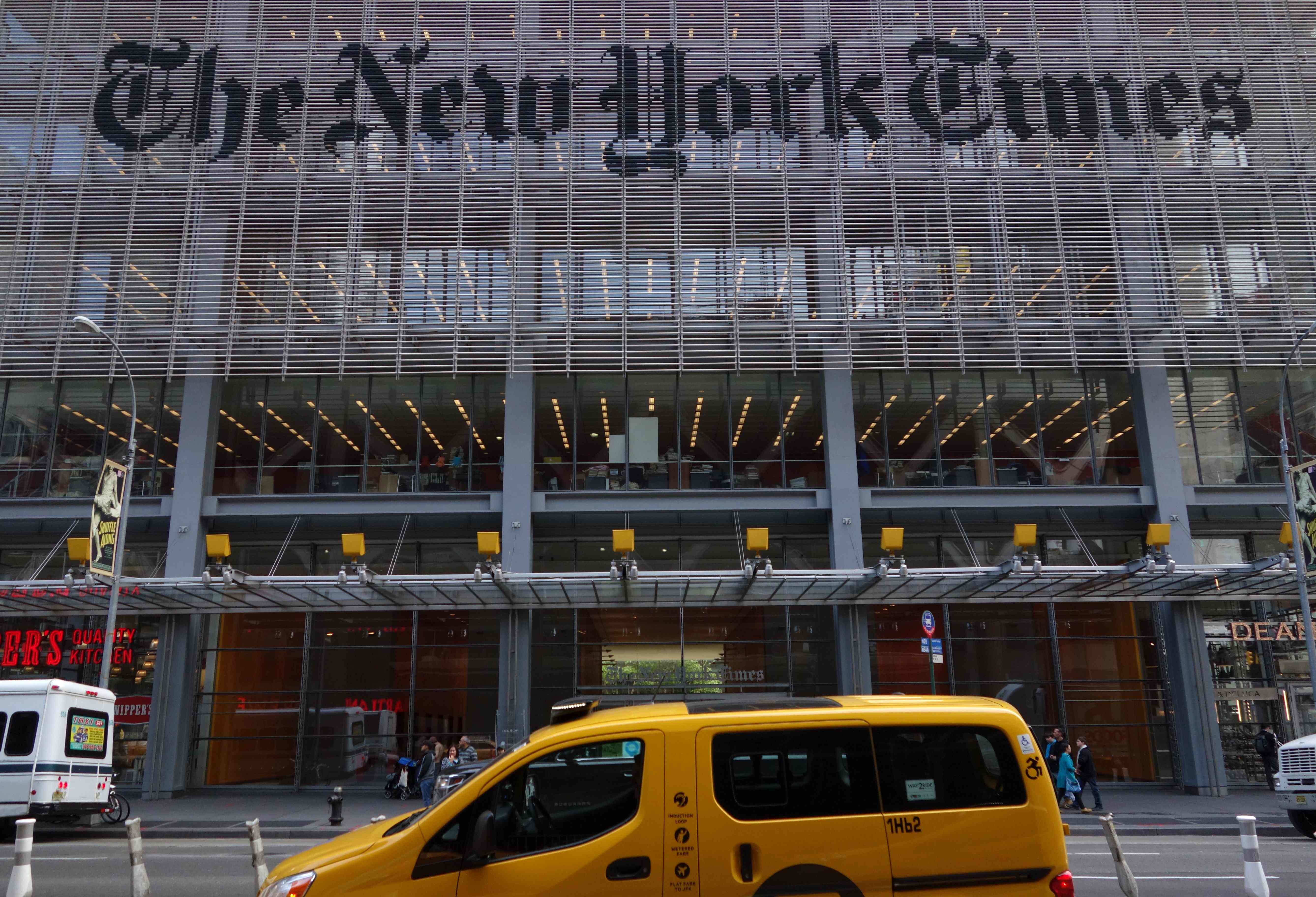
El periódico The New York Times ha sido el estándar de la profesión periodística. Otras organizaciones contribuyen a forjar las mejores prácticas y el diario neoyorquino tiene su inventario de traspiés, pero las normas aplicadas al manejo y conducta de su sala de redacción son ejemplo y punto de referencia en todo el mundo.
El influyente periódico acaba de añadir una más a las razones de su prestigio. Contra el manifiesto interés de su gobierno y la política exterior diseñada para enfrentar la dictadura de Nicolás Maduro, el diario puso en duda la atribución a ese régimen de la quema de un camión con ayuda humanitaria sobre un puente de la frontera colombiana.
Maduro, es cierto, cerró el paso a la ayuda y sus militares enfrentaron a grupos de opositores empeñados en hacerla pasar a territorio venezolano. Sin embargo, las filmaciones muestran el probable origen del incendio y no guarda relación alguna con la intervención del Ejército. Al lado del camión hay un joven con dos cocteles molotov. Cuando lanza el segundo hacia los militares, el trapo en llamas, utilizado como mecha, se separa de la botella y va a dar al otro lado del vehículo, donde casi de inmediato se aprecia el inicio del incendio. Las llamas se extienden con rapidez mientras un militar llama a una tregua para apagarlas.
En los tiempos de Internet, un periodista presente en el sitio concluye, sin mayor investigación, que las fuerzas de Maduro dieron fuego a la ayuda humanitaria. Así lo informa y poco después el senador estadounidense Marco Rubio difunde la misma versión mediante las redes sociales. El secretario de Estado, Mike Pompeo, y el encargado del caso venezolano, Elliott Abrams, no tardaron en sumarse a la acusación. Poco después, el vicepresidente, Mike Pence, anunció el endurecimiento de las sanciones contra Maduro, a quien incluso se le atribuyó haber dado la orden de prender fuego al camión.
Sobran las razones para sancionar al régimen venezolano. Maduro ha cometido peores crímenes. La represión ya ha costado decenas de víctimas y lo mismo puede decirse de la corrupción, cuya última inhumana manifestación son los apagones. Nadie explica adónde fueron a parar cientos de millones de dólares supuestamente invertidos en el mejoramiento de la red eléctrica y no hay manera de saber por qué una potencia petrolera contempla la desnutrición y muerte de sus ciudadanos a cuenta de una pavorosa escasez de alimentos y medicinas. Maduro solo atina a la ridiculez de culpar a supuestos sabotajes conjuntos de Washington y la oposición.
Pero entre las razones para aislar y sancionar al régimen venezolano no está la quema del camión. The New York Times cumplió su deber de señalarlo, aunque eso demostrara la actitud irresponsablemente precipitada de las autoridades de su país frente a un déspota que no merece defensa. El periódico, sin embargo, respondió al deber de defender la verdad.
No toda la prensa estadounidense es ejemplo de buen periodismo. Pronto, una serie de medios denunció al diario neoyorquino por falta de patriotismo y hasta simpatías hacia el régimen de Maduro, como si no se debiera al Times la más conmovedora denuncia de las condiciones existentes en los hospitales venezolanos, amén de muchos otros señalamientos contra la dictadura. Ese periodismo es dispensable, pero el practicado por The New York Times es más necesario que nunca cuando la Internet difunde, con graves consecuencias, noticias falsas o distorsionadas, como la transmitida al mundo desde el puente entre Venezuela y Colombia. Mientras Maduro miente para explicar las penurias de su pueblo, la democracia debe ser defendida con la verdad.