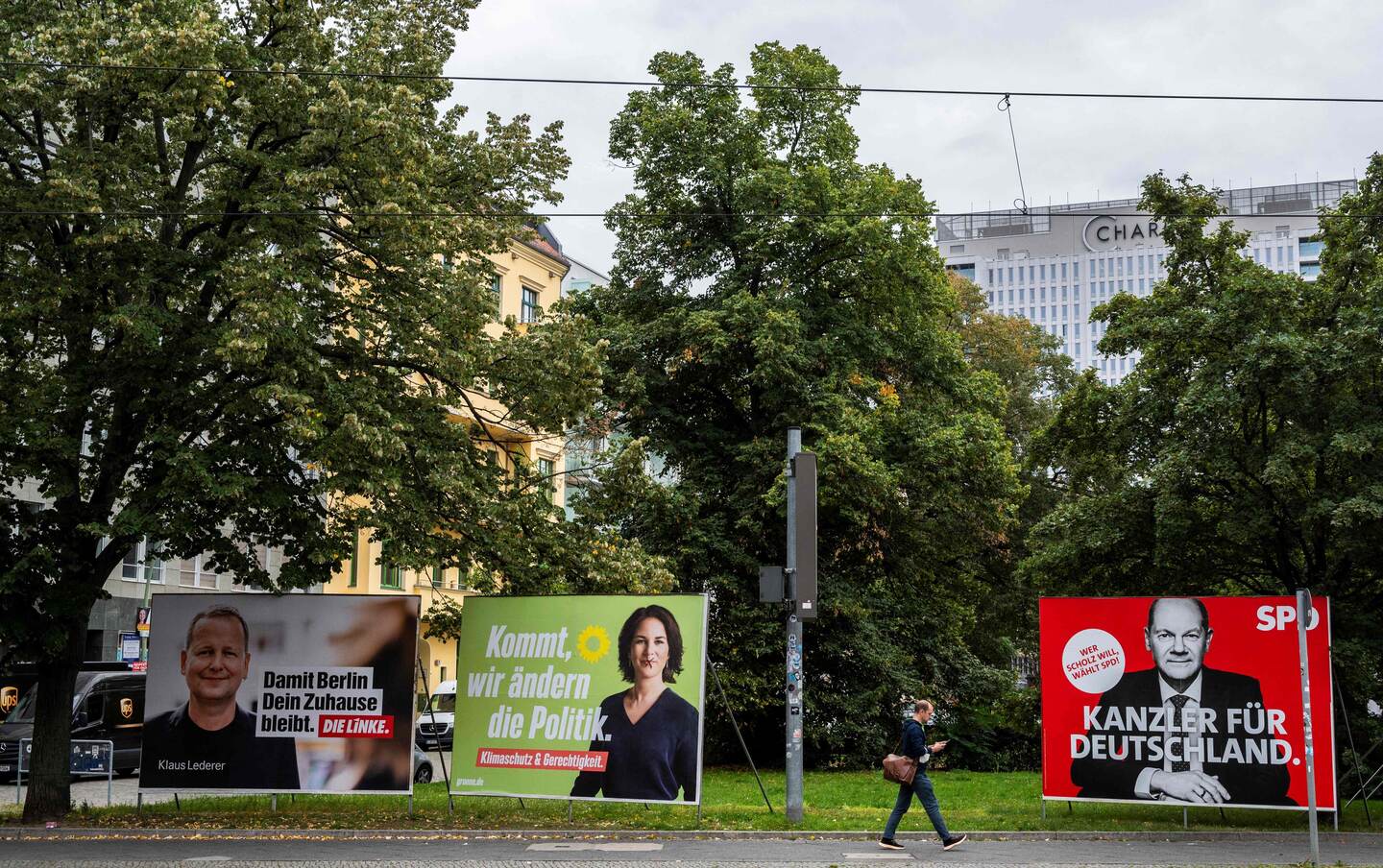

Berlín. Después de 16 años gobernando Alemania, la canciller Angela Merkel se prepara para dejar su cargo tras las elecciones legislativas del 26 de setiembre que marcarán el fin de su cuarto mandato.
El resultado del escrutinio es incierto, sin embargo, no hay dudas de que será decisivo para el futuro del país. Los socialdemócratas del SPD van en cabeza, seguidos de la Unión Demócrata Cristiana (CDU) y los Verdes.
¿Por qué Merkel no busca un quinto mandato?
La canciller de 67 años, que gobierna la primera economía europea desde el 2005, anunció hace tiempo que no volvería a presentarse.
Desde octubre del 2018, cuando su CDU sufrió un revés electoral en la región de Hesse, ya explicó que no buscaría un quinto mandato.
El actual será “el último”, afirma Merkel, que tampoco quiere seguir una carrera en las instituciones europeas como algunos medios especulaban.
Es la primera vez desde 1949 que un jefe de gobierno saliente decide no presentarse.
Elegida por primera vez el 22 noviembre del 2005, Merkel se acerca al récord de longevidad del también democristiano Helmul Kohl, que fue canciller durante más de 16 años (5.689 días), entre 1982 y 1998, gestionando la reunificación.
Además, ya ha superado a Konrad Adenauer, canciller del milagro económico después de la guerra que gobernó Alemania Occidental durante 14 años.
¿Qué hay en juego para el país?
La adaptación del modelo económico e industrial de Alemania ocupa un espacio central en los debates, especialmente el futuro de su potente industria automóvil diezmada por el declive de los motores de combustión y las consecuencias para los 800.000 empleados directos del sector.
La digitalización de la administración y las pymes también aparece en el programa de todos los candidatos, en un país “muy retrasado sobre esta cuestión”, según Paul Maurice, del Comité de Estudios francoalemanes de IFRI.
Con la población todavía impactada por las inundaciones que dejaron más de 180 muertos en julio en el oeste de Alemania, la lucha contra el cambio climático está entre las prioridades de los tres candidatos.
De todos modos, “asistimos a una campaña —puede que sea por un efecto Merkel— que está muy centrada en la persona, y no se habla suficiente de los programas”.
¿Por qué las elecciones son tan seguidas en Europa?
Como principal potencia económica, Alemania ocupa un rol central en la Unión Europea (UE).
De la crisis financiera al conflicto ucraniano o la cuestión migratoria, la influencia internacional de Alemania creció en los “años Merkel”.
LEA MÁS: Heredero de Ángela Merkel arremete contra rival socialdemócrata en debate electoral
Un nuevo jefe de gobierno puede dar un nuevo impulso o desplegar una gestión más prudente, aunque no con la ambición que caracterizó a la canciller, apuntan numerosos comentaristas.
La evolución del dúo francoalemán, motor de la UE, será seguido también con atención, sobre todo al haber elecciones también en Francia en abril del 2022.
“Esperamos que Alemania sea una fuerza propositiva más importante a nivel europeo”, aseguró Maurice.
¿Qué pasará tras las elecciones del 26 de setiembre?
La canciller no dejará sus funciones en la noche electoral, sino que se mantendrá en funciones hasta la designación de un sucesor en el parlamento alemán, el Bundestag.
Este periodo de transición puede durar largas semanas o meses, el tiempo que tarden los partidos en conseguir una mayoría para formar un gobierno de coalición.
LEA MÁS: Las sospechas de ciberespionaje ruso marcan la campaña electoral en Alemania
En el 2005, la CDU y el SPD tardaron dos meses para formar el llamado gobierno de gran coalición entre los dos partidos más importantes de Alemania.
Sin embargo, después de los comicios de setiembre del 2017, las negociaciones se alargaron hasta febrero del 2018: la CDU trató en un primer momento de aliarse con los Verdes y el partido liberal FDP, aunque finalmente tuvo que pactar con el SPD.