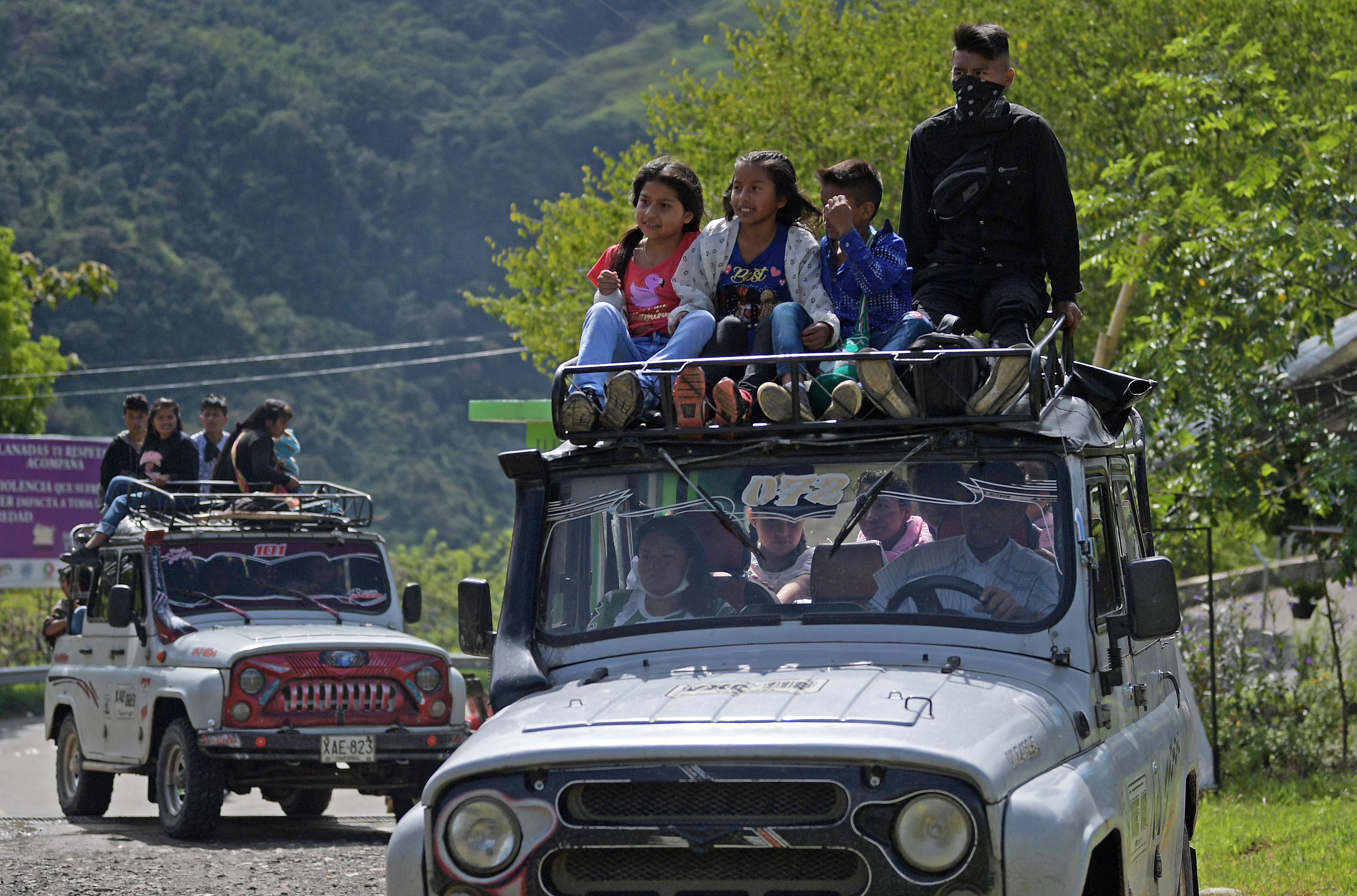
Bogotá. La paz que aplaudió el mundo, dividió a un país y desarmó a la guerrilla más poderosa de América cumple cinco años. Y aunque la violencia y el narcotráfico siguieron sin las FARC, hoy Colombia es un país en agitación, aunque con menos víctimas.
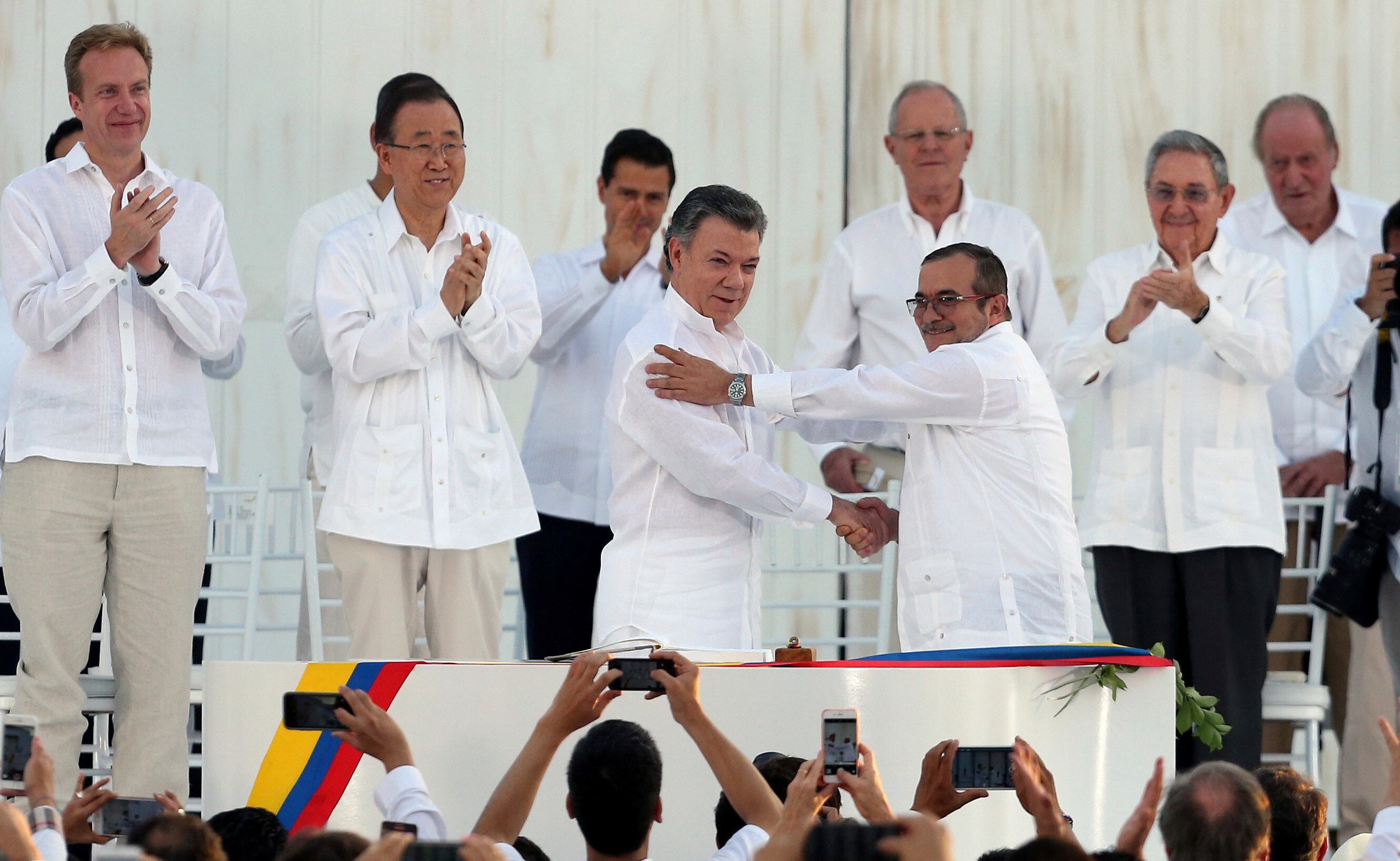
Teatro Colón de Bogotá, 24 de noviembre del 2016. Juan Manuel Santos y Rodrigo Londoño, el primero un presidente liberal premio Nobel de la Paz y el otro un campesino de ideas marxistas al frente de un ejército rebelde de 13.000 hombres y mujeres, firman un texto de 310 páginas en un ambiente sobrio y de sonrisas recortadas.
LEA MÁS: Hoy hace 50 años: En Colombia 200 hombres crean las FARC, una guerrilla comunista
El acuerdo, que fue negociado en Cuba, contiene reformas políticas y agrarias —la propiedad de la tierra detonó el conflicto—, fórmulas contra el narcotráfico y la promesa de justicia para cientos de miles de víctimas.
Sin embargo, poco más de la mitad de los colombianos se opuso en un plebiscito previo a la firma, lo que obligó a ajustar el pacto y hundió al país en la polarización. Las Fuerzas Armadas Revolucionarias de Colombia (FARC) entregaron finalmente sus fusiles a la ONU, poniendo fin a medio siglo de fallida y cruenta lucha por el poder. Y si bien ahora son una fuerza política intrascendente, la paz le abrió paso a una sociedad más activa en la protesta.
Violencia
El acuerdo no extinguió la violencia, aunque ha salvado muchas vidas. Juan Carlos Garzón, investigador de la Fundación Ideas para la Paz, lo ilustra: Antes del 2012, cuando comenzaron los diálogos, la tasa anual de homicidios era de 12.000 al año.
“Durante el proceso de negociación, del 2013 al 2016, llegó a bajar a 9.000″ homicidios, aseguró. Hernando Gómez Buendía, director del portal Razón Pública, revela un dato más certero: cada año morían unas 3.000 personas por el conflicto y en el 2017 fueron 78.
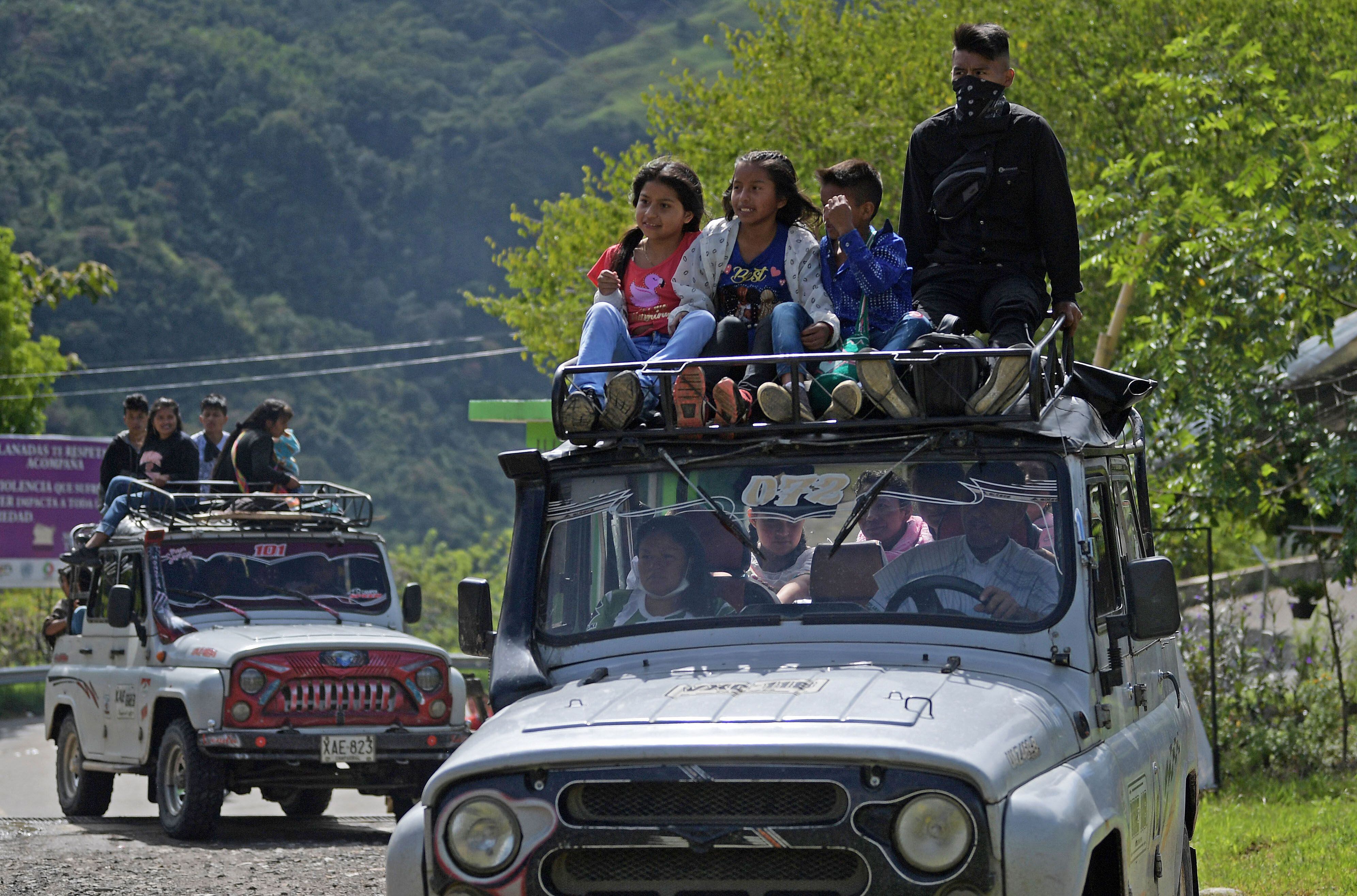
Sin embargo, otra vez los homicidios están al alza, apuntó Garzón: “La mala noticia es que entre enero y setiembre del 2021 estamos de nuevo en un nivel de 10.500 homicidios”, añadió.
Aunque el grueso de las FARC se desmovilizó, quedaron activas disidencias y la guerrilla del Ejército de Liberación Nacional (ELN) volvió a la ofensiva tras un intento fallido de paz. El narcotráfico también tiene sus propios ejércitos. Todas las fuerzas ilegales suman unos 10.000 combatientes, según el Instituto de Estudios para el Desarrollo y la Paz.
El “vacío de poder y regulación fue copado por otros actores”, explicó Garzón, y añadió otro factor: la incapacidad del Estado de “ofrecer garantías de protección” a la población. En estos cinco años han sido asesinados 293 excombatientes por sus excompañeros o enemigos de la guerra, mientras otros volvieron a las armas. Y en el centro de todas las violencias: el tráfico de drogas.
El acuerdo, que promovía la sustitución voluntaria de cultivos ilegales, no le hizo mella al negocio: Colombia sigue produciendo y exportando cocaína en cifras récord.
Víctimas
Las víctimas están en el centro del acuerdo. Son más de nueve millones entre muertos, heridos, desaparecidos y desplazados. Las FARC aceptaron la Jurisdicción Especial para la Paz (JEP), que también le abrió la puerta a los paramilitares y agentes del Estado implicados en graves violaciones de derechos humanos. A cambio de que confiesen sus crímenes, reparen a las víctimas y no reincidan, podrán eludir la cárcel.
“El proceso de paz le ha cumplido a los victimarios, mientras que a las víctimas que ocasionaron las FARC no les ha cumplido”, renegó el general de la policía Luis Mendieta, rehén por casi 12 años. El oficial se siente excluido de la “institucionalidad de paz” que, además de la JEP, incluye una comisión de la verdad y una unidad de búsqueda de desaparecidos.
Los jueces preparan sus primeras sentencias contra el antiguo mando rebelde por más de 21.000 secuestros, mientras los militares deberán responder por el asesinato de 6.400 civiles presentados como guerrilleros caídos en combate entre el 2002 y el 2008.
“Estamos cumpliendo, porque estamos compareciendo ante la JEP (...) pero fue una guerra de más de 50 años y para resolverla en uno o dos o tres no va a ser posible”, afirmó la exguerrillera y senadora Sandra Ramírez.
Sociedad
El partido Comunes de los exguerrilleros fue castigado en las urnas y la derecha que más se opuso al pacto alcanzó la presidencia con Iván Duque, quien intentó en vano modificar lo acordado. “Nos encontramos con un proceso frágil (...) porque la coca había crecido exponencialmente” y los firmantes de paz “volvieron a la vida criminal”, expresó el mandatario.
Los exFARC, que acusan a Duque de torpedear el convenio y de promover la paz solo ante “los micrófonos”, tienen una mínima representación en el Congreso por cuenta de la negociación. Y en medio avanza un movimiento de protesta que encabezan jóvenes que apenas supieron de la guerra interna.
En los últimos dos años millones se han volcado a las calles, a pesar de la represión policial. “Fue tanto el cambio, que silenciar los fusiles permitió ver a la sociedad colombiana el estruendoso ruido de la corrupción, la enorme desigualdad que tenemos”, comentó la senadora Ramírez.
LEA MÁS: Grupos armados tienen más de 10.000 combatientes en Colombia