OMS prevé faltante mundial de 2.000 millones de jeringuillas para 2022
Organismo advierte de que escasez de este insumo podría provocar un retraso en las vacunaciones rutinarias y, por tanto, repercutir de manera negativa en la salud pública
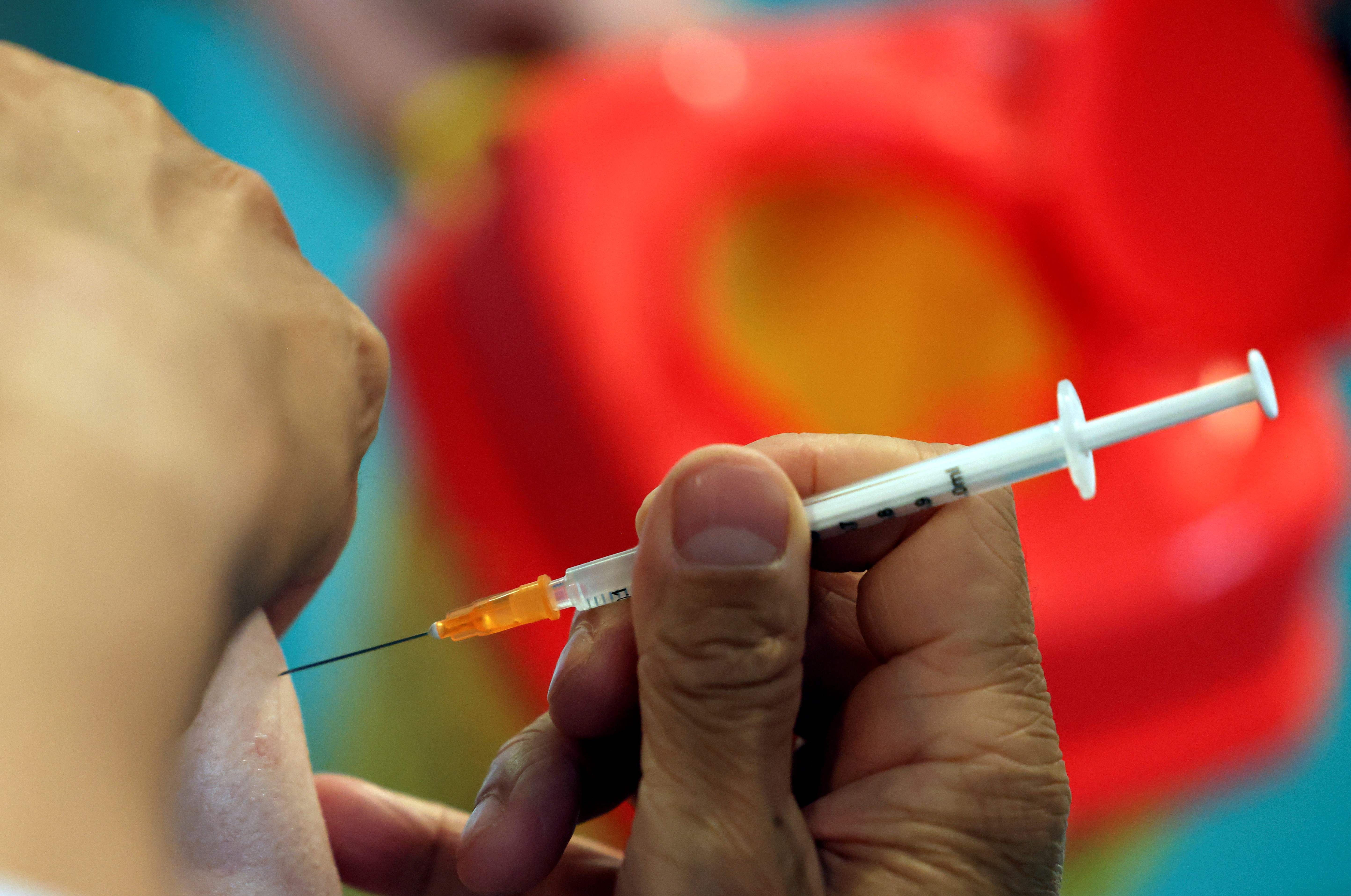
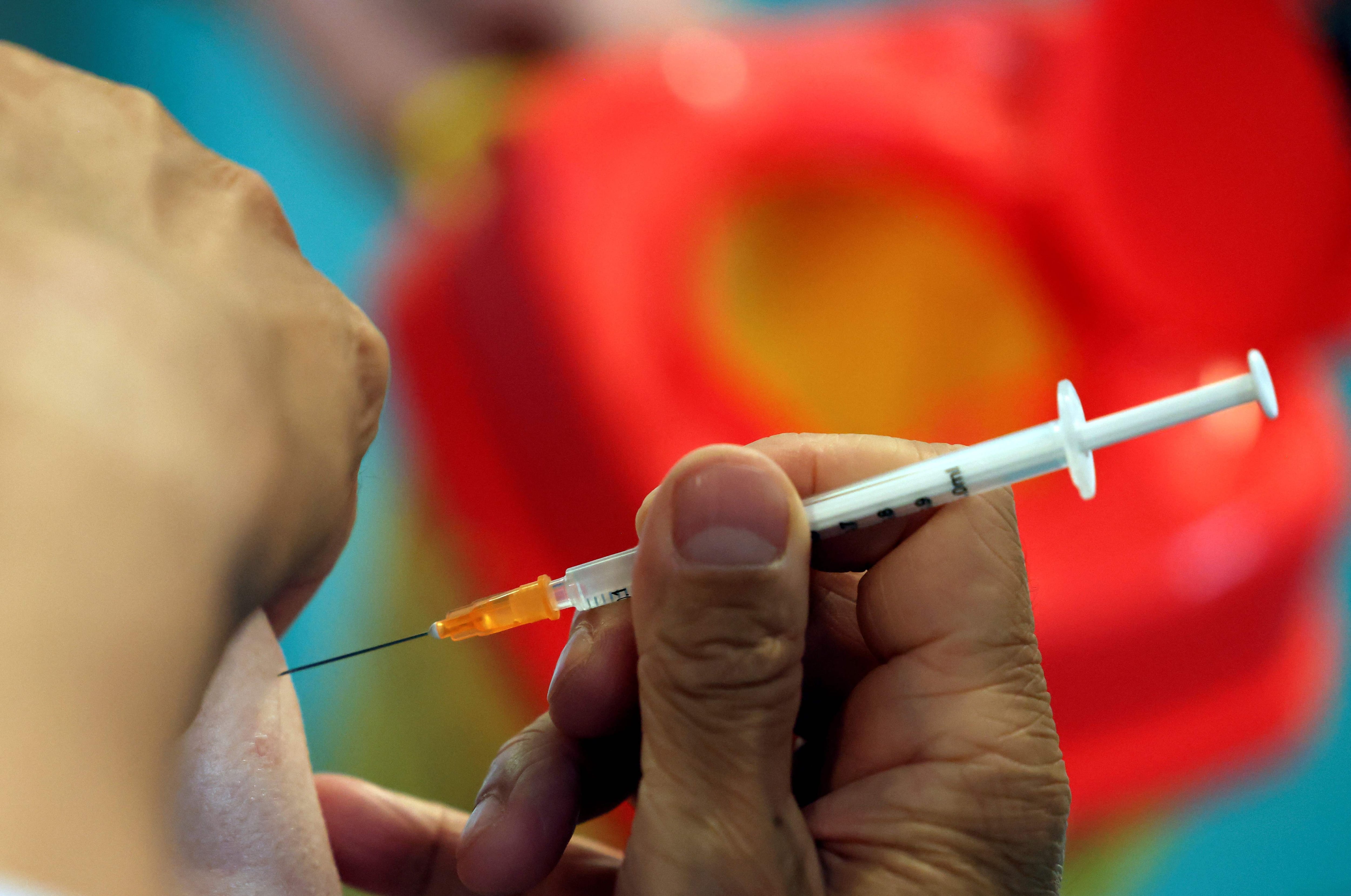
(FILES) In this file photo taken on September 13, 2021 an elerly patient receives the third dose of the Pfizer-BioNtech Covid-19 vaccine in Paris. - A booster shot of the anti-Covid-19 vaccine developed by Pfizer/BioNTech is 95.6 percent effective against symptomatic infection, according to trial data published by the makers on October 21, 2021. The clinical phase three trial with "10,000 participants 16 years of age and older" showed "a relative vaccine efficacy of 95.6 percent against disease during a period when Delta was the prevalent strain", the companies said in a statement. (Photo by THOMAS COEX / AFP) THOMAS COEX
Ginebra. La Organización Mundial de la Salud (OMS) advirtió este martes que podría haber un déficit de hasta 2.000 millones de jeringuillas en el 2022 si su producción no logra seguir el ritmo de la de las dosis de vacunas contra la covid-19.
“Estamos planteando la preocupación real de que podamos tener una escasez de jeringuillas, lo que a su vez provocaría graves problemas, como la ralentización de los esfuerzos de inmunización”, aseguró Lisa Hedman, asesora principal de la OMS en materia de acceso a los medicamentos y productos sanitarios. “Dependiendo del suministro de vacunas, podría haber un déficit de entre mil a dos mil millones”, añadió.
Según la funcionaria, que instó a los países a aumentar su capacidad de producción, ya se están realizando esfuerzos. De hecho, ya se han administrado más de 7.250 millones de dosis de la vacuna contra la covid-19 en todo el mundo. Esto supone casi el doble del número de vacunas que se administran al año, y el doble del número de jeringuillas necesarias.
Según Lisa Hedman, la escasez de jeringuillas podría provocar un retraso en las vacunaciones rutinarias y, por tanto, repercutir en la salud pública “durante años” si una generación de jóvenes no recibe las vacunas infantiles habituales.
También podría dar lugar a la reutilización de jeringuillas y agujas, que se supone que son de un solo uso.