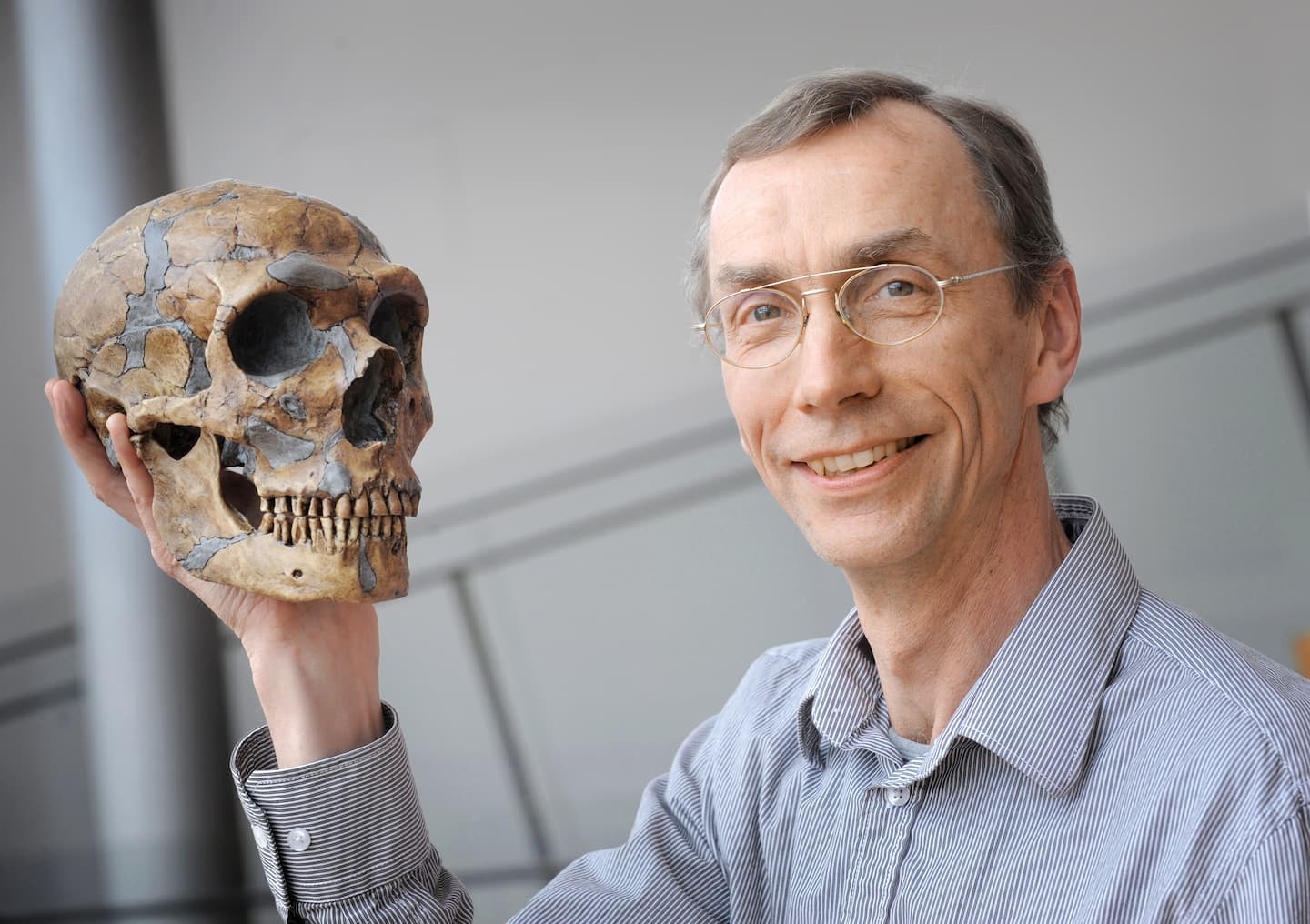
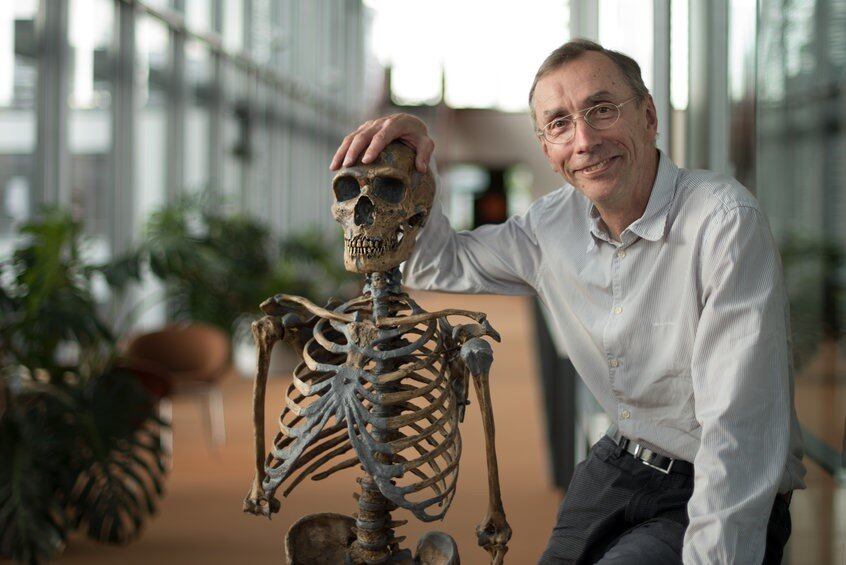
Estocolmo. El Premio Nobel de Medicina coronó el lunes al pionero de la paleogenética, el sueco Svante Pääbo, por la secuenciación completa del genoma de los neandertales y la fundación de esta disciplina que analiza el ADN de tiempos remotos para descifrar los genes humanos.
“Al revelar las diferencias genéticas que distinguen a todos los seres humanos vivos de los homínidos desaparecidos, sus descubrimientos han dado la base a la exploración de lo que hace de nosotros, humanos, seres únicos”, dijo el jurado del Nobel.
Gracias a la secuenciación de un hueso hallado en Siberia en el 2008, pudo revelar la existencia de otro hominino diferente y desconocido hasta entonces, el hombre de Denisova, que vivía en la actual Rusia y en Asia.
De 67 años e instalado en Alemania desde hace décadas, Pääbo descubrió en el 2009 que un 2% de genes había pasado de estos homininos hoy desaparecidos al homo sapiens. Este flujo antiguo de genes hacia el hombre actual tiene un impacto fisiológico, por ejemplo, en la forma en que el sistema inmunitario reacciona a las infecciones.
Sus trabajos demostraron recientemente que los enfermos de covid-19 con un segmento de ADN de neandertal —sobre todo en Europa y en el sur de Asia— herencia de un cruce con el genoma humano hace unos 60.000 años, tienen más riesgo de padecer complicaciones graves de la enfermedad.
“Las diferencias genéticas entre el homo sapiens y nuestros parientes más cercanos desaparecidos no se conocían hasta que fueron identificadas gracias a los trabajos de Pääbo”, añadió el comité Nobel en su decisión.

ADN deteriorado
El investigador sueco logró superar las dificultades de estudiar un ADN muy deteriorado por el tiempo, ya que tras miles de años, solo quedan restos, altamente contaminados por bacterias o rastros humanos.
En una entrevista en la Fundación Nobel, el paleogenético contó que estaba “tomando su último sorbo de té” cuando recibió una llamada de Estocolmo. “Realmente no pensé que [mis descubrimientos] me harían merecedor de un Premio Nobel”, afirmó.
El hombre de neandertal cohabitó un tiempo con el hombre moderno en Europa, antes de desaparecer totalmente hace unos 30.000 años. Pääbo, oriundo de Estocolmo, recibió en el 2018 en España el premio Princesa de Asturias de Investigación Científica y Técnica.
“Vive en Leipzig (Alemania), entonces fue fácil ponerse en contacto con él, no dormía”, explicó Thomas Perlmann, secretario del comité Nobel. El Instituto Max-Planck se congratuló del galardón y alabó un trabajo “que ha revolucionado nuestra comprensión del desarrollo histórico de los humanos modernos”.
El premio se acompaña de una recompensa de 10 millones de coronas ($900.000 / ¢562 millones). El padre del galardonado, Sune Bergström, ya había recibido el Nobel de Medicina en 1982 por sus hallazgos sobre las hormonas. Svante Pääbo lleva el apellido de su madre, la química estonia Karin Pääbo.
Al Nobel de Medicina, le seguirán el de Física el martes, Química el miércoles y, los más esperados, de Literatura el jueves y de la Paz el viernes (en Oslo). El Nobel de Economía, de creación más reciente, cierra la temporada del 2022 el lunes próximo.
Con este 113.º Nobel de Medicina, son 226 personas las que lograron el galardón desde su creación, entre ellos 12 mujeres. Ninguna organización fue recompensada, ya que está prohibido en el reglamento del Instituto Karolinska que otorga los premios.
Dominación masculina
El año pasado, el galardón recayó en los estadounidenses Ardem Patapoutian y David Julius por sus descubrimientos sobre la manera en que el sistema nervioso transmite la temperatura y el tacto.
Investigadores estadounidenses o instalados en Estados Unidos, de sexo masculino, dominan ampliamente los Nobel científicos de las últimas décadas, pese a los esfuerzos de los jurados para consagrar a más mujeres.
Para el Nobel de Literatura el jueves, los críticos interrogados por AFP se inclinan por un nombre más conocido, tras dos galardonados más discretos, la poetisa estadounidense Louise Glück en el 2020 y el novelista británico de origen tanzano Abdulrazak Gurnah en el 2021.
LEA MÁS: Arqueólogos encuentran tumbas de 76 niños sacrificados en Perú
Pero será el premio de la Paz el que tendrá más impacto este año. ¿Tras haber galardonado a dos periodistas, el ruso Dmitri Muratov y la filipina Maria Ressa, el comité noruego dará un premio anti-Putin tras la invasión de Ucrania?
Nunca desde la Segunda Guerra Mundial, un conflicto interestatal había ocurrido tan cerca de Oslo. La Corte Penal Internacional (CPI), encargada de investigar los crímenes de guerra en Ucrania, así como la Corte Internacional de Justicia, también con sede en Países Bajos, suenan entre las candidatas. También el opositor ruso preso Alexéi Navalni o la opositora bielorrusa Svetlana Tijanóvskaya.