Cairo. En una orilla soleada del mar Rojo, los peces vuelven a nadar entre miles de manglares, un ecosistema que Egipto trata de salvar para preservar su biodiversidad y luchar contra el cambio climático.
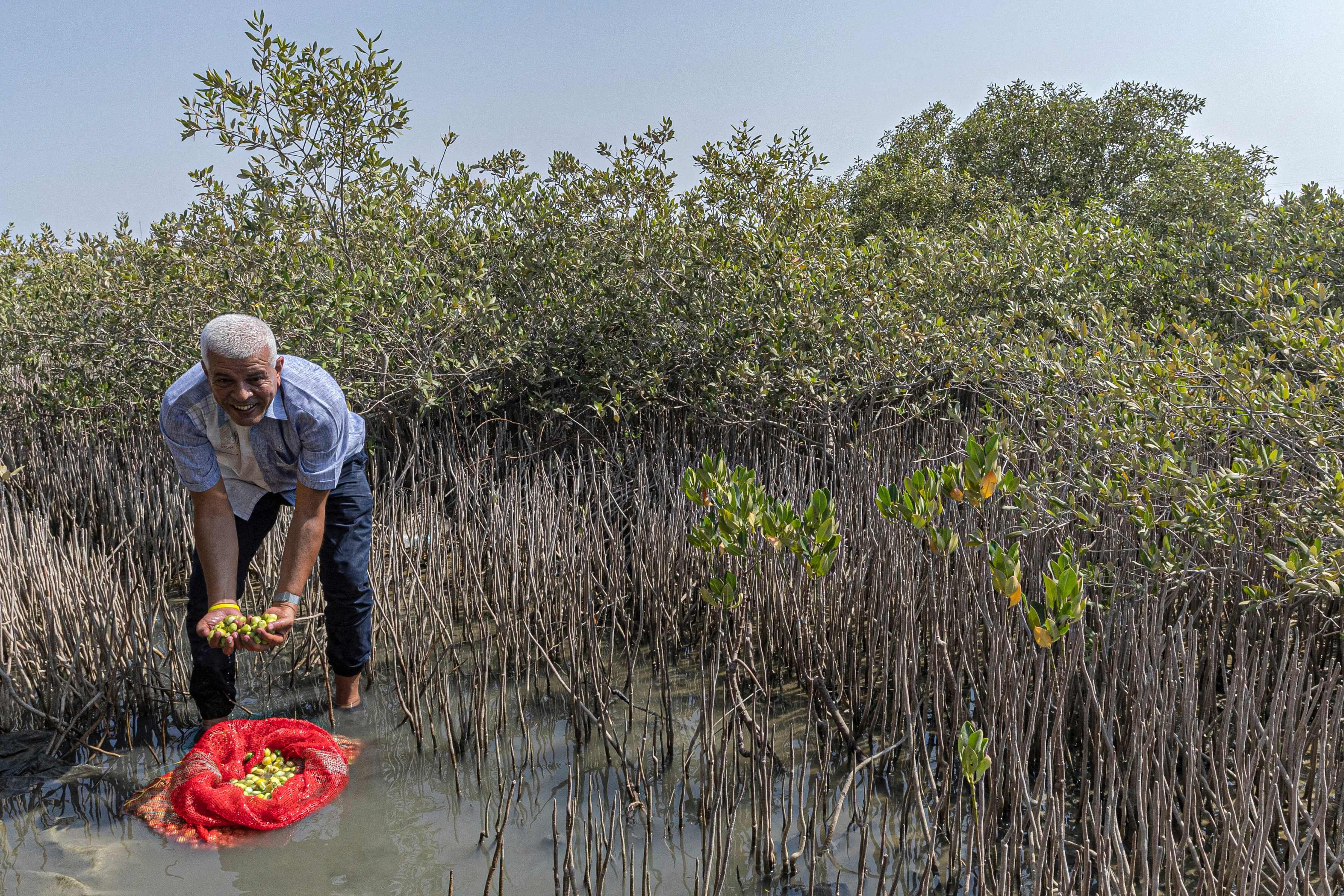
“Es todo un ecosistema: al plantar un manglar, traemos vida marina, crustáceos y pájaros”, explica a la AFP Sayed Jalifa, profesor de agricultura.
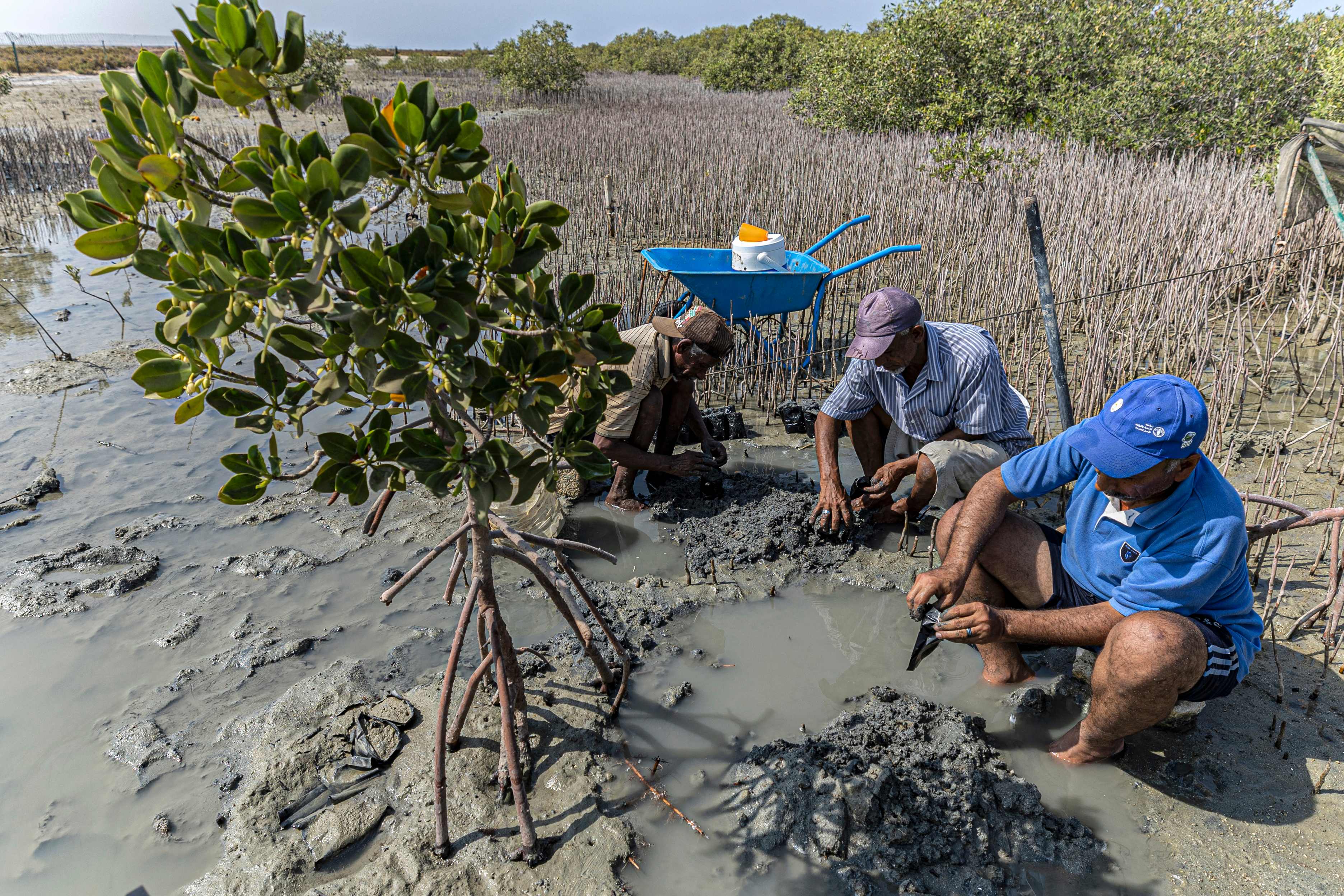
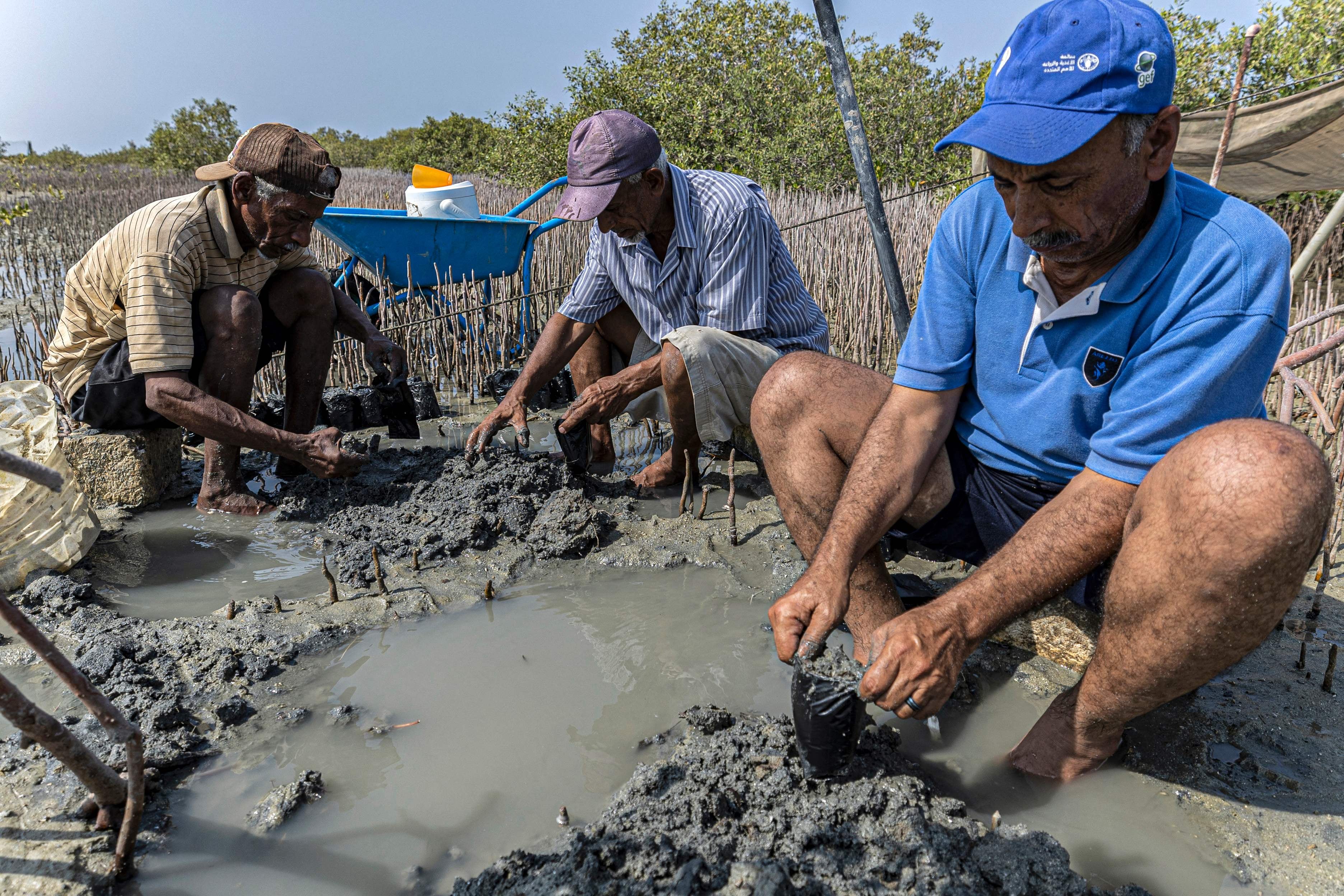
Desde 2017, él dirige un proyecto de reforestación en Hamata, en el sur, que cubre seis zonas de manglares sobre las dos orillas egipcias del mar Rojo: una en el continente africano y otra en la península del Sinaí.
Los mangles, árboles muy resistentes, avanzan cada día “más allá de sus límites”, asegura el Programa de las Naciones Unidas para el Medioambiente (PNUMA). Absorben cinco veces más carbono que los bosques terrestres, filtran la contaminación del agua, protegen de las temperaturas extremas y forman una barrera natural contra la crecida de las aguas.
Y todo ello con un coste de mantenimiento mil veces más barato que construir muros contra las crecidas, según PNUMA.
A pesar de estas ventajas competitivas, entre los años 1980 y 1990, al menos el 35% de los manglares del planeta desaparecieron. Y hasta un 80% en algunas zonas del océano Índico, donde los manglares han constituido de siempre una barrera natural ante los tsunamis.
‘Prefirieron los ingresos’
Los políticos no se dieron cuenta entonces "de la importancia de los manglares" y prefirieron "la oportunidad de ingresos" que ofrecía la construcción de infraestructuras turísticas costeras, dice Niko Howai, doctorando en la Universidad de Reading de Reino Unido.
“El turismo de masas y los complejos hoteleros que provocan la contaminación, los barcos y la perforación en busca de hidrocarburos” terminaron con muchos manglares en Egipto, explica Kamal Shaltout, profesor de botánica en la Universidad de Tanta, en el norte del país.

Actualmente, El Cairo dedica cada año unos $50.000 a la reforestación de estos ecosistemas. Pero esto “no llevará a nada” si el turismo y sus daños no son controlados, advierte Shaltout.
Los manglares cubren casi 500 hectáreas en Egipto, una porción mínima del total en el océano Índico. Es imposible saber cuánta superficie ha desaparecido en total.
Una cosa es segura: en 2018, un equipo de investigadores participado por Shaltout señaló que algunos manglares registrados en "los años 1950 y 1960" fueron totalmente destruidos, especialmente en la región de Hurgada, una zona turística muy apreciada por los submarinistas.
Para estos investigadores, la magnitud de los daños "supera probablemente con creces (los efectos de) los años de programas de reforestación".
El mangle es como el olivo: puede sobrevivir más de un siglo, pero necesita "de 20 a 30 años y una protección total para llegar a su tamaño adulto", explica Jalifa.
Alianza con el turismo
Pero él continúa creyendo en su proyecto de reforestación en Hamata y quiere extenderlo “lo más al sur posible”, según dice, con los pies en el agua y el dedo señalando un puerto para yates a seis kilómetros.
En el mar Rojo, que genera un 65% de los beneficios del sector turístico egipcio, los mangles deben abrirse camino entre puertos de ocio, hoteles y complejos turísticos.
"No es imposible, pero será más complicado", advierte Howai. "Los mangles son robustos, pero también sensibles, sobre todo cuando son jóvenes".
Jalifa defiende que "hay que replantar, extender los manglares e implicar a los actores turísticos". Por ejemplo, se puede convencer a cada hotel para que plante mangles en su zona, afirma.
"Podríamos pensar en ventajas fiscales" para fomentarlo, propone.
“Pueden obtener beneficios, pero también deben desempeñar un papel en la protección de la naturaleza”, asegura.