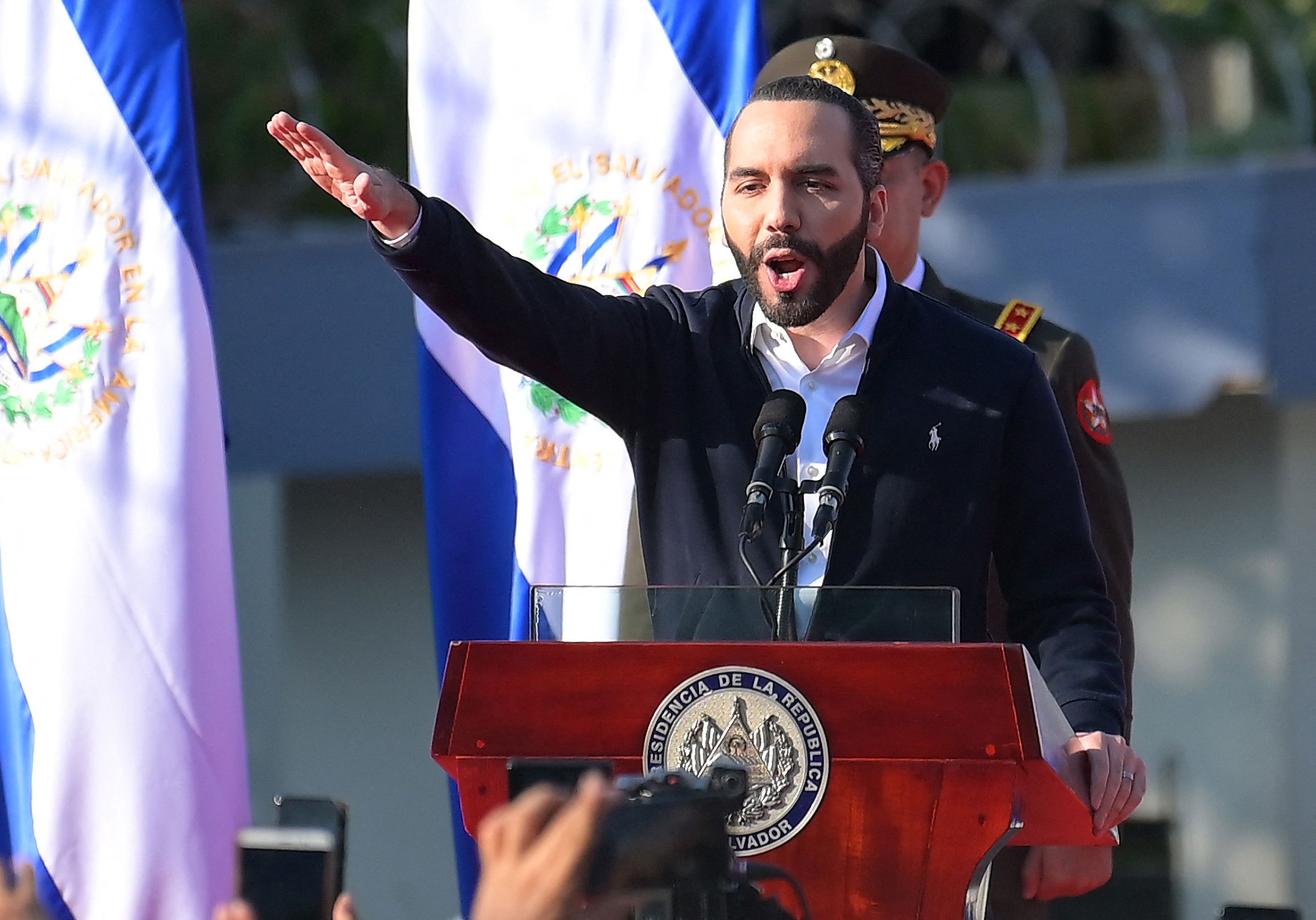
San Salvador. El presidente de El Salvador, Nayib Bukele, criticó este lunes las conversaciones en el plano energético entre Washington y el gobierno de Nicolás Maduro en Caracas, pese a que la Casa Blanca no lo reconoce como mandatario de Venezuela.
“El gobierno de Estados Unidos decide quién es el malo y quién es el bueno y también cuándo el malo se vuelve bueno y el bueno se vuelve malo”, escribió Bukele en su cuenta de Twitter.
Washington desconoce al gobierno de Maduro porque considera que su reelección en 2018 fue fraudulenta. Pero envió este lunes una delegación a Venezuela para hablar sobre energía, cuando busca reducir sus importaciones de petróleo de Rusia, un aliado clave de Caracas, como parte de sus sanciones por la invasión de Ucrania.
“El propósito del viaje que realizaron los funcionarios de la administración fue discutir una variedad de temas que incluyen ciertamente energía, seguridad energética”, declaró en rueda de prensa la portavoz del gobierno de Joe Biden, Jen Psaki.
“Ratifico, como le dije a la delegación, toda nuestra voluntad desde la diplomacia, desde el respeto, y desde la máxima del mundo mejor nosotros poder avanzar en una agenda que permita el bienestar y la paz a los pueblos de nuestro hemisferio, de nuestra región”, dijo luego Maduro sobre el encuentro.
En los últimos meses las relaciones entre El Salvador y Estados Unidos han sido tirantes, complicadas luego que la administración Biden dijera que el gobierno de Bukele tomó decisiones “antidemocráticas”, como remover en mayo de 2021 con ayuda del Congreso al fiscal general y a magistrados de la Sala Constitucional de la Corte Suprema.
Este lunes, Bukele resaltó en otro tuit que “todo esto es un chiste mal contado” al recordar que, en octubre del año pasado, uno de los asesores de Biden para Latinoamérica, Juan González, indicó que se debía “evitar” que El Salvador “se vuelva otra Venezuela”.
“Lo peor de todo, es que miles de millones de personas siguen comprando ese discurso [de EE. UU.] y tomándolo como verdad”, consideró Bukele.
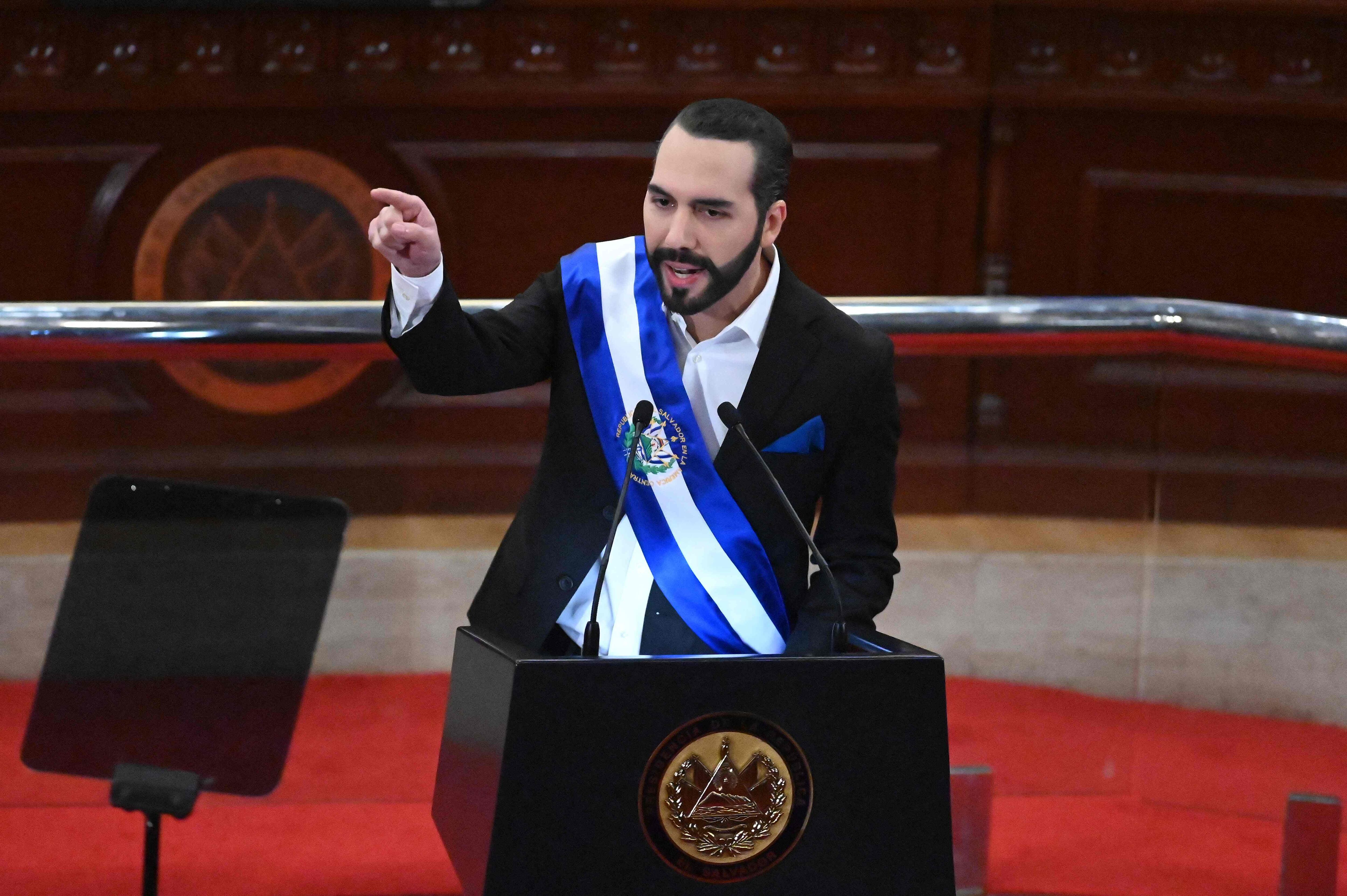
Delegación de EE. UU. viajó a Venezuela y habló sobre energía con el gobierno de Maduro
La Casa Blanca, que desconoce a Maduro como presidente tras tachar de fraudulenta su reelección en 2018, indicó que el tema de la energía estuvo sobre la mesa, en un momento en que Estados Unidos busca reducir sus importaciones de petróleo de Rusia, un aliado clave de Venezuela, tras la invasión de Ucrania.
“El propósito del viaje que realizaron los funcionarios de la administración fue discutir una variedad de temas que incluyen ciertamente energía, seguridad energética”, declaró Psaki.
Maduro confirmó la noche del lunes la reunión, que calificó de “respetuosa, cordial y diplomática” sin entrar en detalle de los temas abordados.
“La hicimos en el despacho presidencial”, señaló en una alocución por televisión. “Ahí estaban las dos banderas bonitas, unidas como deben estar las banderas de Estados Unidos y Venezuela, tuvimos casi dos horas conversando”.
“Me pareció muy importante poder, cara a cara, conversar temas de máximo interés de Venezuela”, siguió. “Ratificó, como le dije a la delegación, toda nuestra voluntad desde la diplomacia, desde el respeto, y desde la máxima esperanza del mundo mejor, nosotros poder avanzar en una agenda que permita el bienestar y la paz a los pueblos de nuestro hemisferio, de nuestra región”.
Venezuela no tiene relaciones diplomáticas con Washington desde 2019 cuando, en su lugar, reconoció como presidente encargado al dirigente opositor Juan Guaidó e impuso una batería de sanciones a Caracas en pos de forzar la salida del líder chavista.
Las medidas incluyen un embargo vigente desde abril de 2019 que impide a Venezuela negociar su crudo -que representaba 96% de los ingresos del país- en el mercado estadounidense. Desde entonces, Maduro recibió un fuerte apoyo de Rusia para poder seguir exportando petróleo a pesar de las medidas punitivas.
“Conversaciones separadas”
Psaki agregó que la delegación también planteó la situación de ciudadanos y residentes estadounidenses detenidos por el gobierno de Maduro, incluidos seis ejecutivos de Citgo -filial en Estados Unidos de la petrolera venezolana PDVSA- arrestados en 2017.
Pero enfatizó que el diálogo sobre energía y el destino de los detenidos son “conversaciones separadas”.
“Hubo una discusión que tuvieron los miembros de la administración en el transcurso de los últimos días”, señaló la vocera. “Y parte de nuestro enfoque también está en la salud y el bienestar de los ciudadanos estadounidenses detenidos”.
En los últimos años, Estados Unidos también ha reclamado la liberación del exmarine Matthew Heath, detenido en septiembre de 2020 señalado de “espía”, y de dos veteranos militares, Airan Berry y Luke Denman, acusados de tramar una fallida incursión por mar para derrocar a Maduro en mayo de 2020.
Según el New York Times, la actual visita a Caracas de altos funcionarios del Departamento de Estado y la Casa Blanca responde al supuesto interés de Washington de reemplazar parte del petróleo que le compra actualmente a Rusia con el que dejó de comprarle a Venezuela.
Aliado cercano de Moscú, Maduro alertó del peligro de una expansión del conflicto en Ucrania hacia “una tercera guerra mundial” y de los “brutales impactos mundiales” en los precios de la energía, de los alimentos o el transporte.
“Estamos tocando la campana de alerta (...) al mundo entero”, dijo Maduro, que pidió se respeten los “corredores humanitarios” en Ucrania” y “no se azuce el conflicto militar”.
Reunión con la oposición venezolana
Psaki no precisó quiénes integraron la delegación del gobierno de Biden, pero trascendió que incluía a Juan González, director para las Américas del Consejo de Seguridad Nacional de Biden; a Roger Carstens, enviado presidencial especial para asuntos de rehenes; y a Jimmy Story, embajador de Estados Unidos en Venezuela, basado en Bogotá.
Por el gobierno participaron Maduro; su esposa, Cilia Flores; y el presidente del Parlamento, Jorge Rodríguez.
Guaidó informó más temprano de un encuentro con estos altos funcionarios estadounidenses, que también se reunieron con Gerardo Blyde, jefe de la delegación opositora en un proceso de negociación con el gobierno en México, que se encuentra suspendido desde octubre y que según Maduro será reactivado “con mucha fuerza”.
El anuncio coincide igualmente con la visita de la delegación de Estados Unidos, que ha pedido por meses retomar las conversaciones. De hecho, Washington señaló el mes pasado que estaría dispuesto a revisar la política de sanciones “si se registraran avances considerables en el marco de estas negociaciones”.
El lunes, Psaki dijo que Biden no ha decidido aún sobre una eventual prohibición de la importación de petróleo ruso, en momentos en que legisladores demócratas y republicanos impulsan un proyecto de ley en ese sentido.
El Wall Street Journal informó de pedidos de inversores al gobierno de Biden para poder volver a comprar crudo venezolano.
Pero para el senador republicano Marco Rubio, eso sería cambiar el petróleo de “un dictador asesino por petróleo de otro dictador asesino”. “Que Biden organice reuniones secretas con el narcoterrorista Maduro sin siquiera informar a los venezolanos que han sufrido y arriesgado todo oponiéndose a Maduro es una vil traición”, tuiteó el lunes.
Para Mariano de Alba, experto sobre Venezuela en el International Crisis Group, pensar que en un plazo muy corto Maduro abandone a Putin y se acerque a Estados Unidos “es bastante irrealista”, explicó.
Pero reconoció que Washington tiene intereses sobre seguridad energética y liberación de prisioneros, lo cual “sería una buena noticia” antes de las elecciones de mitad de mandato en noviembre, claves para los demócratas.