Críticas de Biden alejan su prometida reconciliación con Cuba
El presidente estadounidense y su homólogo de Cuba, Miguel Díaz-Canel, se acusan mutuamente por la situación convulsa que se vive en la isla
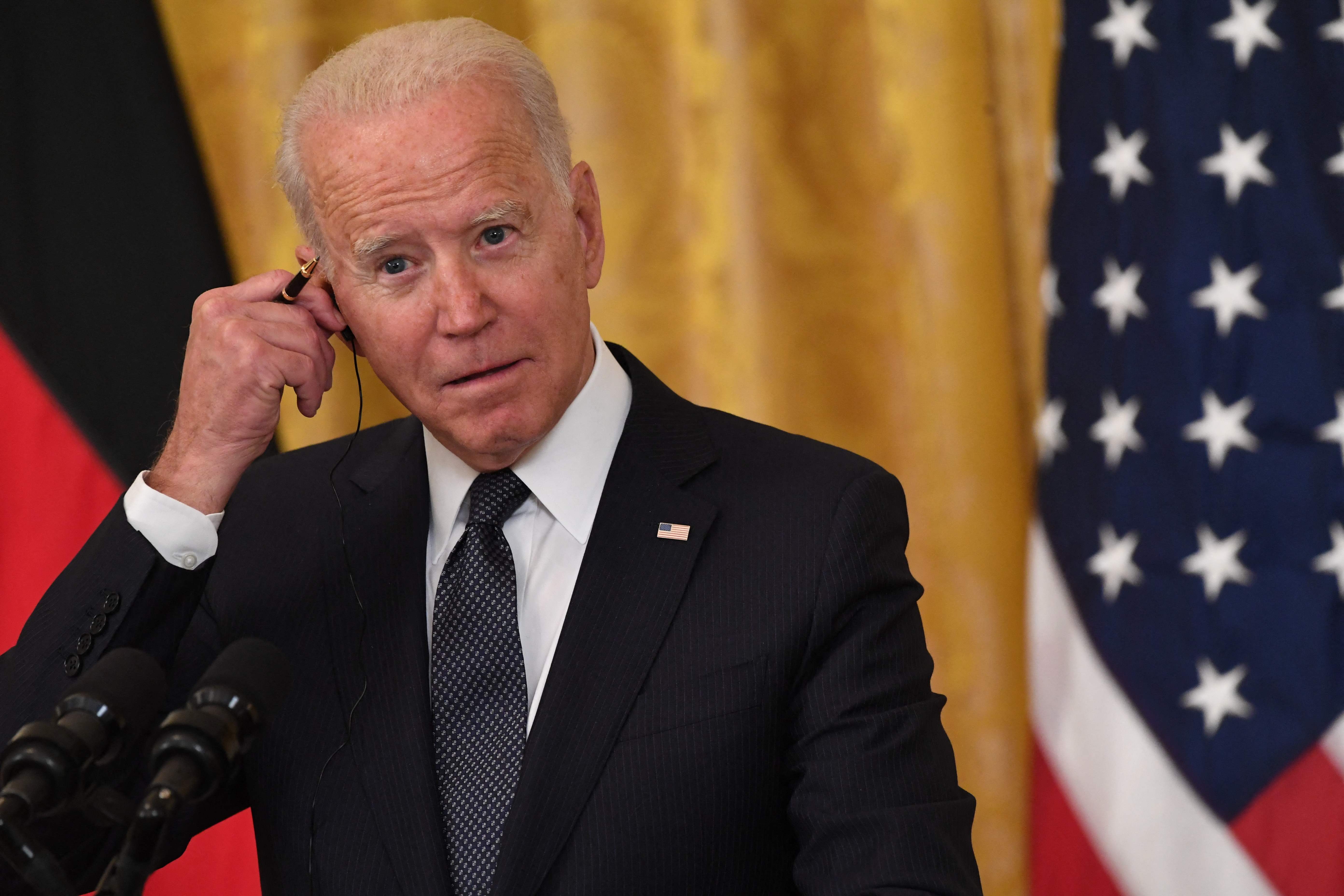
US President Joe Biden and German Chancellor Angela Merkel hold a joint press conference in the East Room of the White House in Washington, DC, July 15, 2021. - Chancellor Angela Merkel on Thursday visited the White House in her diplomatic swan song, a trip underlining how important the veteran German leader has been to the transatlantic relationship, but also highlighting the unanswered questions she leaves behind. (Photo by SAUL LOEB / AFP) SAUL LOEB
El presidente de Estados Unidos, Joe Biden, participó junto a la canciller alemana, Angela Merkel (fuera de cuadro), en una conferencia de prensa conjunta en el Salón Este de la Casa Blanca, en Washington, Estados Unidos, el 15 de julio del 2021. (SAUL LOEB/AFP)
Washington. Las protestas de los miles de cubanos que se echaron a la calle el 11 y 12 de julio lograron que Joe Biden fijara su atención en la isla, aunque lo hizo para criticar con dureza al gobierno, lo que aleja la prometida reconciliación entre Washington y La Habana.
“Las protestas han puesto a Cuba en la agenda de Washington otra vez. Pero al mismo tiempo han hecho muy difícil, si no imposible, que la administración Biden levante las medidas punitivas” de su antecesor Donald Trump, afirmó Michael Shifter, presidente de Diálogo Interamericano, un centro de análisis con sede en Washington.
Miles de cubanos se lanzaron a la calle este domingo y el lunes al grito de “tenemos hambre”, “abajo la dictadura” y “libertad” en 40 ciudades y pueblos de la isla para protestas por las penurias y las crecientes dificultades que sufren.
Biden y el presidente de Cuba, Miguel Díaz-Canel, se acusan mutuamente por la situación.
El presidente estadounidense se refirió este jueves a Cuba como “un Estado fallido que reprime a sus ciudadanos”.
Ante la peor ola de covid-19 que sufre la isla, Biden se ofreció a mandar vacunas a condición de que una organización internacional las aplique en Cuba, el único país de la región que ha desarrollado sus propios inmunizantes, en medio de la crisis económica.
Sin embargo, dejó claro que no va a permitir el envío de remesas desde Estados Unidos. “No haría eso ahora” porque es probable que “el régimen confisque esas remesas o una gran parte de ellas”, expresó.
“Un Estado fallido es aquel que para complacer a una minoría reaccionaria y chantajista, es capaz de multiplicar el daño a 11 millones de seres humanos”, respondió este viernes en Twitter el presidente de Cuba, Miguel Díaz-Canel.
“Si Biden tuviera sincera preocupación humanitaria por el pueblo cubano, podría eliminar las 243 medidas aplicadas por el Presidente Donald Trump, incluidas las más de 50 impuestas cruelmente durante la pandemia”, añadió en referencia al embargo que Estados Unidos ha hecho a Cuba desde 1962, recrudecido durante el gobierno de Trump.
En su campaña electoral, Biden prometió eliminar las principales sanciones de Trump, aunque seis meses después de llegar a la Casa Blanca, el tema no es prioridad.
En las manifestaciones del domingo y el lunes hubo violencia y vandalismo por parte de algunos manifestantes, otros fueron reprimidos con dureza por la policía y por partidarios del gobierno.
Las protestas dejaron un muerto, decenas de heridos y más de 100 detenidos.
‘Política estancada’
Copiado!
La derecha del exilio cubano exige mano dura con La Habana, la estocada final.
Díaz-Canel acusó a Estados Unidos de instigar y financiar las revueltas, y llamó a sus partidarios a tomar las calles, que "son de los revolucionarios", mientras que Rusia, China y gobiernos latinoamericanos de izquierda le han expresado su apoyo.
"La política, que (se) endureció notablemente bajo (el gobierno de) Trump, se mantendrá con su piloto automático por el momento", consideró Shifter.
Si Biden intenta “suavizar y flexibilizar” esta política hacia un “enfoque más humanitario, será duramente criticado por los republicanos, por ceder demasiado al régimen. La política está estancada”, concluyó.
Biden recurrió a “un relato que demuestra total solidaridad con los manifestantes y severa crítica contra la dictadura”, agrega.
No obstante, el artífice del acercamiento con Cuba llevado a cabo por Barack Obama, el exconsejero de Seguridad Nacional Ben Rhodes, exigió este martes a Biden que actúe.
“Los cubanos han expresado con valentía sus frustraciones y han ejercido sus derechos universales de formas verdaderamente inspiradoras.
Deberíamos pensar sobre todo en qué podemos hacer para ayudarlos”, comentó, sugiriendo el envío de alimentos, medicinas y permitir el flujo de remesas.
‘Sentido común’
Copiado!
El lobby anti embargo Cuban Americans For Engagement (CAFE), con sede en Nueva York, expresó en un comunicado su más “profunda preocupación” por las protestas y dijo entender la “frustración” de la gente en el “peor momento”.
El grupo de intelectuales culpa al gobierno cubano de desoír "importantes consejos" de liberalización gradual de la economía, lo que sumado a "otros fallos" provocaron las manifestaciones.
Sin embargo, recalcó que el gobierno de Biden es “hipócrita” al ofrecer “su apoyo al pueblo de Cuba, mientras aplaude las revueltas”.
"Si tanto le importan los cubanos, que levante las sanciones, al menos las más apremiantes, lo cual ayudará a nuestros familiares y amigos a lidiar mejor con la pandemia".
CAFE instó “a que en ambas orillas prime el sentido común, a que se levanten sanciones” y a “mecanismos de democratización”.