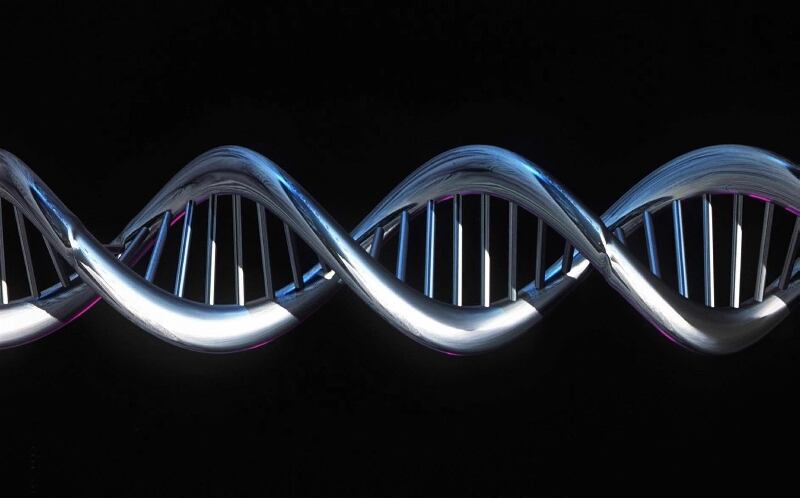
El panel de expertos sobre genética convocado por la Organización Mundial de la Salud (OMS) resolvió la tarde de este martes trabajar por una regulación internacional sobre edición genética de seres humanos.
Este fue el resultado de una reunión de dos días en donde se analizaron los retos científicos, éticos, sociales y legales y harán recomendaciones para crear normas de estos procedimientos.
El comité está formado por un panel de 18 personas de los más diversos campos profesionales, como Derecho, Medicina, Salud Pública, Farmacia, Genética, Filosofía, Tecnologías en Salud, Bioética, Neurociencias, Biología y Ciencias Políticas.
Dentro de su pronunciamiento, el comité concordó que en este momento es irresponsable que cualquier persona o instituto proceda con aplicaciones clínicas de edición de la genética humana.
“La edición genética es una promesa increíble para la salud, pero también representa algunos riesgos, tanto éticos como médicos. Este comité es un ejemplo del liderazgo de la OMS, que reúne a algunos de los expertos líderes en el mundo para dar guías en este tema tan complejo”, dijo en conferencia de prensa Tedros Adhanom Ghebreyesus, director general de la OMS.
El panel de expertos invitó a todos los grupos que en este momento realizan investigaciones en este campo a discusiones abiertas para entender mejor el ambiente, la técnica y los acuerdos, para así establecer límites a los trabajos actuales y que puedan continuar con el desarrollo científico (sin aplicarlo a seres humanos) con los mejores lineamientos éticos.
“El comité redactará herramientas esenciales y guías para todos aquellos que están trabajando con esta nueva tecnología, para así asegurarnos el beneficio máximo y el menor riesgo a la salud humana", señaló Soumya Swamanathan, jefe científico de la OMS.
En los próximos dos años, se harán reuniones, entrevistas, consultas y discusiones para redactar esta regulación internacional. En ellos no solo participarán científicos y médicos, también grupos de pacientes, sociedad civil y especialistas en ética.
En contexto
La técnica de edición genética más común es la llamada CRISPR, que fue catalogada como el hito científico del año 2015.
Lo primero que debe tenerse claro es que existen dos componentes vitales en este tipo de tecnología: un trozo de ARN (el “mensajero” genético) y la proteína Cas9. El primero sirve para identificar el fragmento de gen o genes que se quieren “editar”, y la proteína, mientras tanto, lo “edita”. Por ejemplo, si se detectara la amenaza de una enfermedad, el ARN localiza las porciones “defectuosas” y la Cas9 las corta.
Esta tecnología ya se utiliza con éxito para hacer cultivos más resistentes a las plagas, o con mayor duración o con mejoramiento de la calidad del alimento, pero es muy diferente llevarlo a la edición de genes humanos, ya se en embriones o en personas “ya nacidas” de cualquier edad.
Por esta razón es necesario saber cuáles son las implicaciones médicas, científicas, legales, sociales y éticas del asunto.
Estas regulaciones o recomendaciones para llevar a cabo estudios en genes humanos se hacen más necesarias luego de que el científico chino He Jiankui anunciara que modificó la genética de dos embriones para que no pudieran ser infectados con VIH y consiguió dos embarazos: el de las gemelas Lulu y Nana y otro que hasta enero pasado se encontraba en gestación.
LEA MÁS: Todo lo que necesita saber sobre la edición genética de embriones humanos, el tema que desvela a los científicos