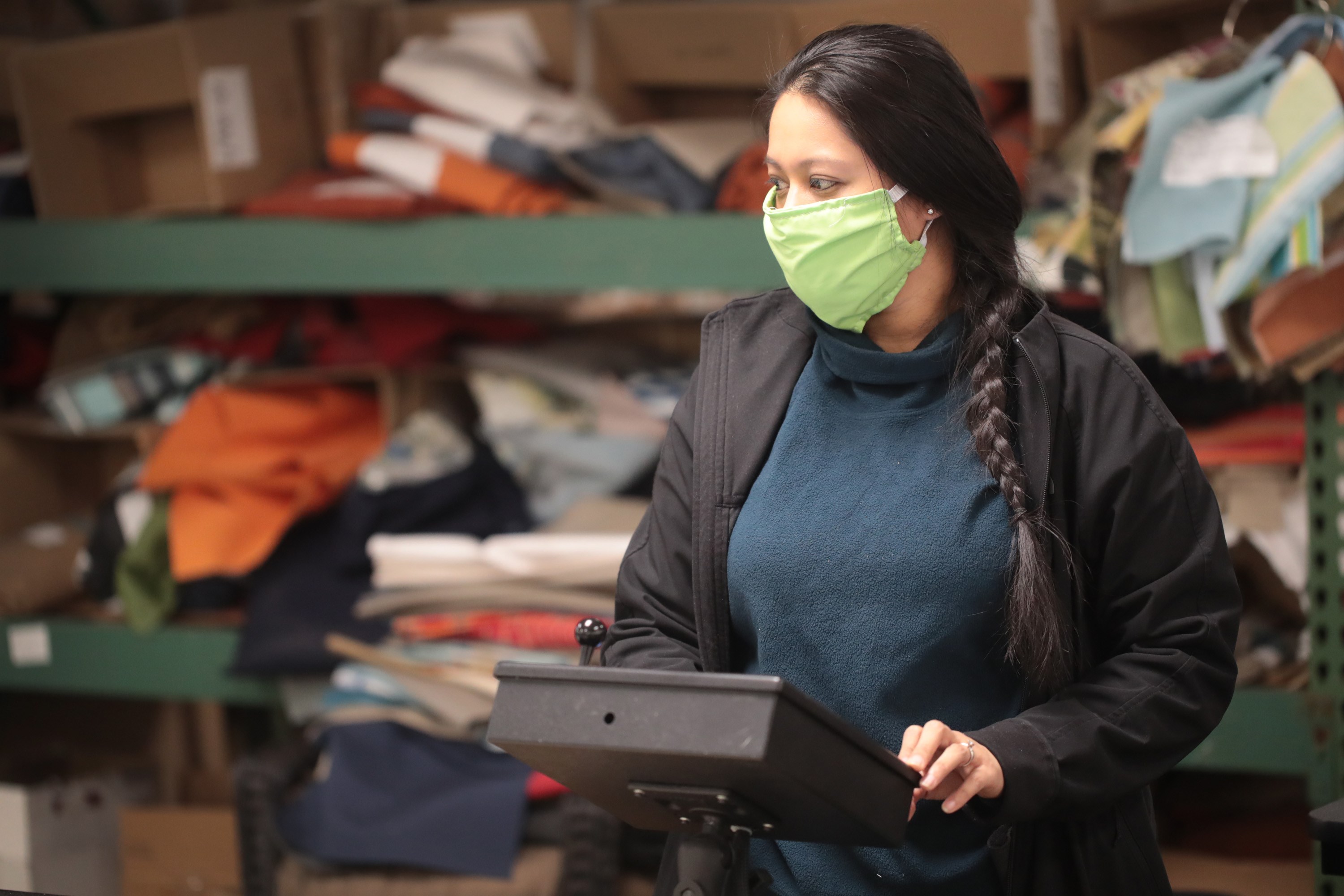
Ante el coronavirus, ¿es preferible llevar una mascarilla casera a no cubrirse el rostro? Pese a que no se disponen de datos científicos, algunos médicos defienden esta opción, sobre todo para evitar contagiar a los demás cuando se está enfermo del covid-19.
"Mucha gente piensa que llevando una mascarilla se protege de un contagio, mientras que en realidad esto permite reducir las fuentes de transmisión", dijo a la AFP el doctor KK Cheng, especialista en salud pública de la Universidad de Birmingham.
La autoprotección "funciona si todo el mundo lleva una y en este caso, una mascarilla muy básica basta, puesto que un retazo de tela puede bloquear" las gotitas de saliva que proyecte un enfermo, añade. "No es infalible, pero es mejor que nada".
En el caso del coronavirus esta medida es todavía más importante puesto que muchas personas son asintomáticas y lo transmiten sin saberlo, recuerda Cheng.
Pero a la vez faltan datos científicos que demuestren su eficacia.
"No sabemos muy bien si las mascarillas caseras reducen la transmisión, se ha investigado muy poco al respecto", indica a la AFP el doctor Benjamin Cowling, epidemiólogo en la Universidad de Hong Kong.
En 2013, un estudio de la Universidad de Cambridge concluyó que en caso de pandemia gripal estas protecciones deberían emplearse como "último recurso".
Los médicos recuerdan además que su uso no debe hacer que se dejen de lado las medidas barrera, como el lavado de manos.
(Video) ¿Protegen las mascarillas contra el nuevo coronavirus? Depende
Escasez
El hecho de que muchos países europeos estimaran que el porte generalizado de mascarilla no era necesario tras el estallido de la pandemia sorprendió en Asia.
“El gran error en Estados Unidos y Europa es que la gente no lleva mascarillas”, declaró el viernes el jefe del Centro chino de Control y Prevención de Enfermedades, Gao Fu, en una entrevista en la revista Science.
"Ponerse una mascarilla no forma parte de la cultura occidental", argumenta Cheng, quien apunta además que las autoridades habrían podido evitar recomendar su porte generalizado para evitar que la población se abalanzara sobre las mascarillas quirúrgicas que están reservadas al personal sanitario.
"Hay una escasez increíble" de estos productos, afirma el neumonólogo francés Nicolas Hutt, haciéndose eco de un problema que se da en otros países europeos, como en España.
Hutt también llama a la población a llevar "máscaras alternativas, artesanales o especializadas para la industria".
“Pantallas”
"Básicamente estas actúan como pantallas antiproyecciones" cuando las usa la población, afirma este médico.
En Internet se pueden hallar fácilmente tutoriales de fabricación casera, incluso a veces procedentes de hospitales.
En los últimos días, varios países de Europa cambiaron su posición oficial: en Eslovenia y República checa es obligatorio llevarlas y Austria anunció el lunes que quería generalizarlas en los supermercados.
Incluso las marcas de lujo se implican: Saint Laurent, Gucci, Balenciaga y Chanel anunciaron su intención de fabricar mascarillas en sus talleres.