En paralelo a la carrera para encontrar una vacuna contra el nuevo coronavirus, las grandes compañías farmacéuticas también compiten para hallar lo antes posible anticuerpos monoclonales, un arma capaz de neutralizarlo.
Los anticuerpos monoclonales se utilizan desde hace unos 30 años para tratar el cáncer o las enfermedades inflamatorias y podrían servir también contra el SARS-CoV-2, el nombre científico del nuevo coronavirus que provoca la enfermedad covid-19.
En su origen, estos anticuerpos son moléculas producidas naturalmente por el sistema inmunitario para desencadenar un ataque contra peligros específicos como las células cancerígenas, las bacterias o los virus.
Para poder utilizarlos con fines terapéuticos hay que clonarlos en el laboratorio.
Varias decenas de equipos de investigación en el mundo están trabajando actualmente para seleccionar anticuerpos capaces de neutralizar al coronavirus, responsable de una pandemia que ha dejado más de 320.000 muertos en el mundo.
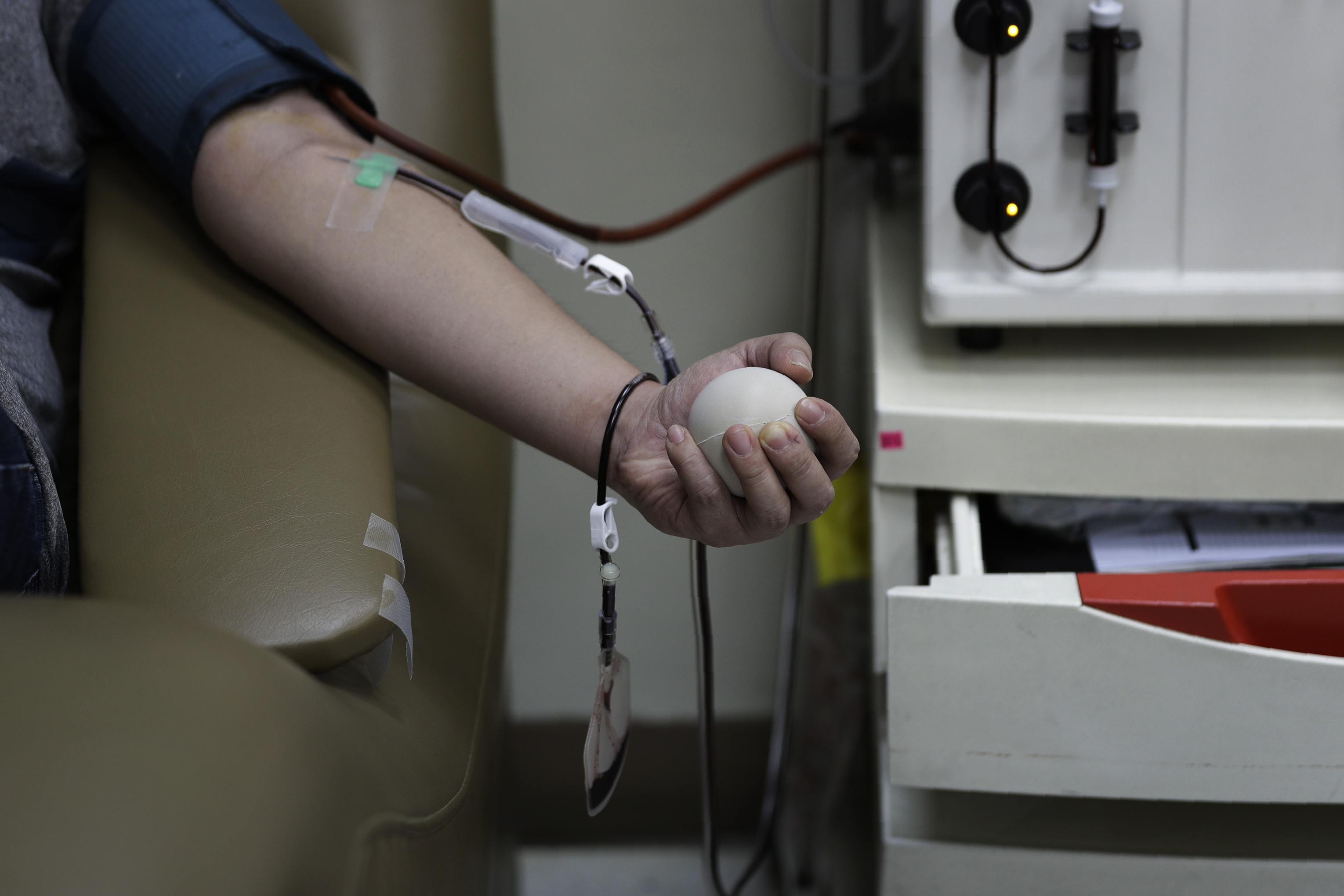
Los anticuerpos monoclonales se seleccionan en la sangre de enfermos curados o bien se producen en el laboratorio a partir de grupos de células preparadas para ese fin.
Todos ellos tienen en común que atacan la proteína S con la que el virus SARS-CoV-2 se acopla a la superficie de las células humanas, una proteína que tiene un papel clave en el proceso infeccioso, explicó a la AFP el investigador Hugo Mouquet.
Su laboratorio de inmunología humoral del Instituto Pasteur, en París, empezó hace dos meses a buscar estos anticuerpos.
Por el momento ya hicieron una primera selección de anticuerpos a partir de la sangre de una decena de pacientes que tenían una "fuerte respuesta" inmunitaria.
Otros laboratorios están más avanzados, según las numerosas publicaciones científicas sobre el descubrimiento de anticuerpos contra el coronavirus, en total unas quince, dice Hugo Mouquet.
(Video) Caballos ya están listos para ser aliados para obtener tratamiento contra covid-19
Anticuerpo “prometedor”
El lunes un equipo de científicos suizos y estadounidenses anunció en la revista Nature el descubrimiento de un anticuerpo monoclonal humano “prometedor”.
Este anticuerpo, llamado S309 "contiene la promesa de un antídoto eficaz para limitar la pandemia de COVID-19", indican los investigadores.
El S309 tiene la particularidad de tener una actividad neutralizante de amplio espectro contra los sarbecovirus, una categoría de los coronavirus del que forma parte el SARS-CoV-2 así como el virus responsable de la epidemia de SRAS en 2003.
Unas horas antes, un equipo chino anunció a la revista estadounidense Cell el descubrimiento de anticuerpos neutralizantes eficaces.
Se trata de un 'cóctel' de 14 anticuerpos, seleccionados a partir de la sangre de 60 pacientes chinos convalescientes.
Fueron probados con éxito en ratones y permitieron que animales enfermos se curaran y que los animales sanos siguieran protegidos tras ser contaminados en el laboratorio.
Sunney Xie, el principal responsable de esta investigación y director del Centro de Innovación Avanzada y Genómica de la Universidad de Pekín, dijo a la AFP que hay ensayos clínicos en curso en humanos con estos anticuerpos y que podría haber un tratamiento disponible este año.
Un plazo "factible", según Hugo Mouquet, porque se necesitan unos seis meses para llevar a cabo tests de eficacia en humanos con anticuerpos monoclonales.
Sin embargo, según el investigador francés, "tendrían más eficacia terapéutica que preventiva".
En cualquier caso los anticuerpos monoclonales no competirán con las vacunas sino que serán complementarios, según el francés.
El conocimiento preciso de las modalidades de acción de los anticuerpos monoclonales tendrá un efecto beneficioso para las vacunas para que sean "más precisas y eficaces" indica Mouquet.
Por ahora el principal obstáculo es económico. El infliximab, uno de los anticuerpos monoclonales más antiguos y más vendidos en el mundo contra la enfermedad de Crohn y la artritis reumatoide, cuesta por ejemplo en Francia unos 500 euros por perfusión.
¿Se puede detener la pandemia del nuevo coronavirus sin una vacuna?