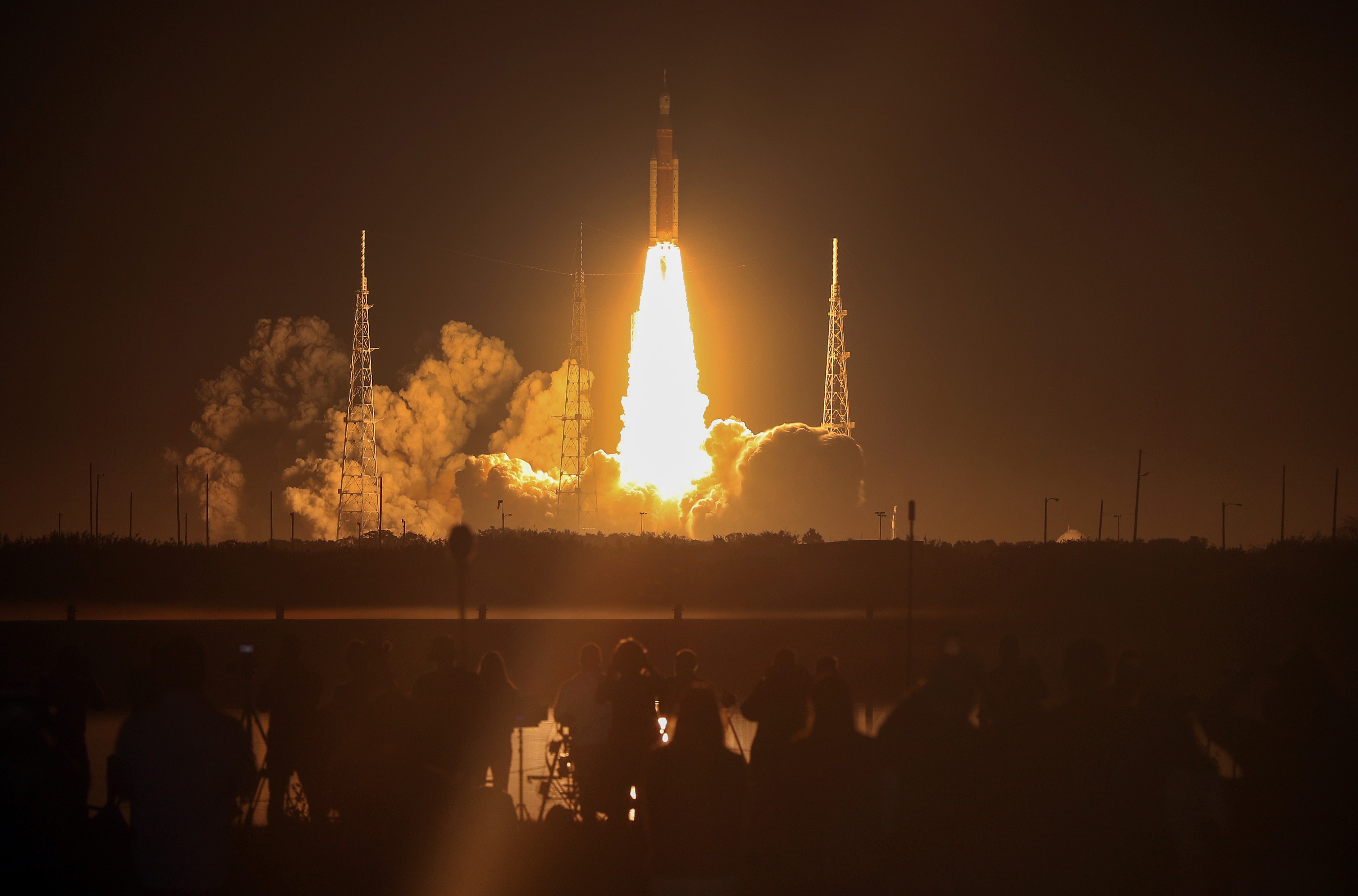

Colorado Springs. La próxima vez que la Administración Nacional de Aeronáutica y el Espacio (NASA) viaje a la Luna, intentará quedarse. Bajo el programa Artemis, la agencia espacial estadounidense planea mantener una presencia humana, por primera vez en la historia, en un cuerpo celeste distinto a la Tierra.
Pero construir una base lunar no es desafío menor. Se necesitan generadores de energía, vehículos y hábitats. Y la industria espacial ya está en carrera para alcanzar esos retos tecnológicos.
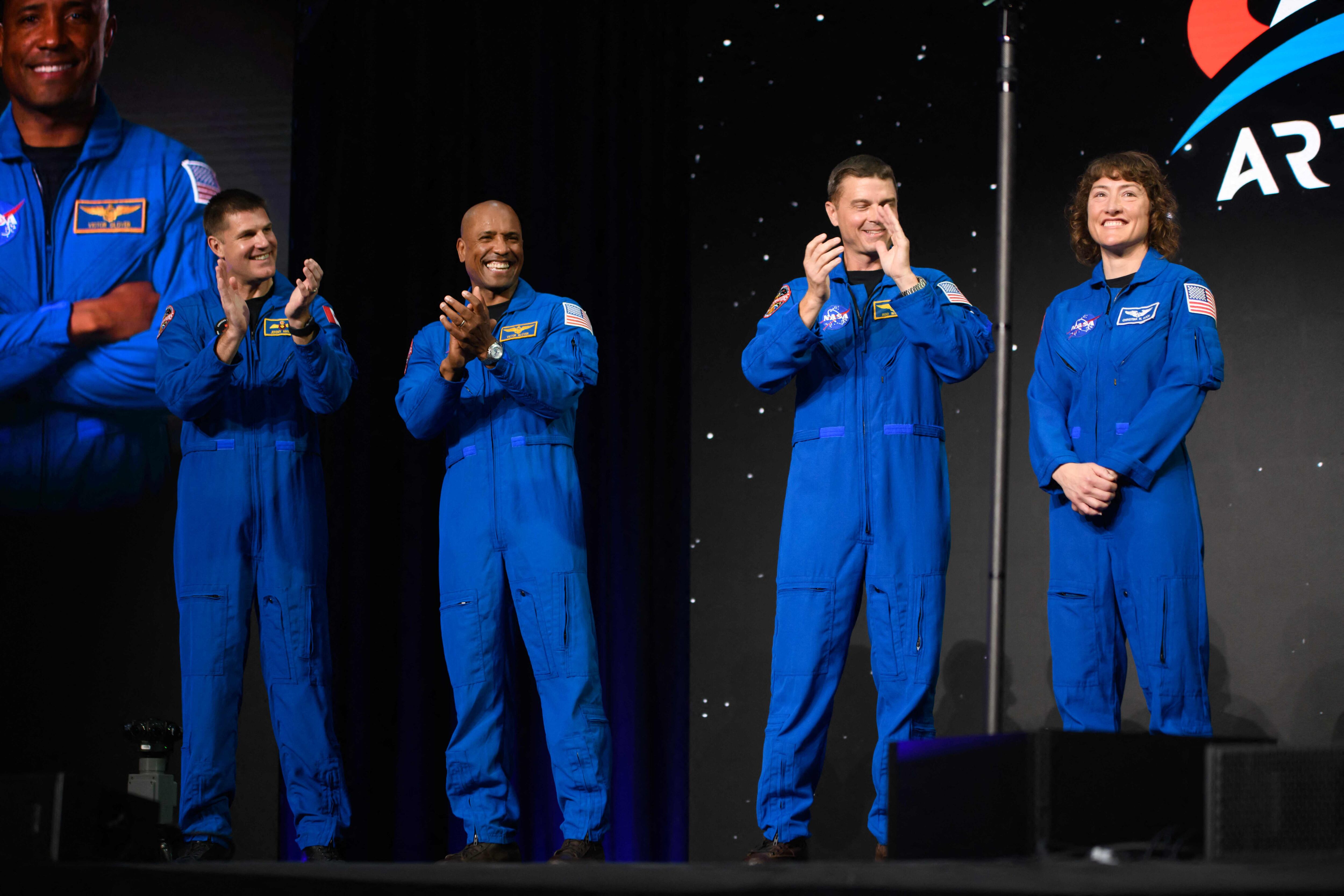
LEA MÁS: Cuatro astronautas se preparan para volver a la Luna en misión Artemisa II
“Es el Supertazón de la ingeniería”, dice a esta agencia Neal Davis, líder de ingeniería de sistemas para el Vehículo de Terreno Lunar en la compañía espacial Dynetics.
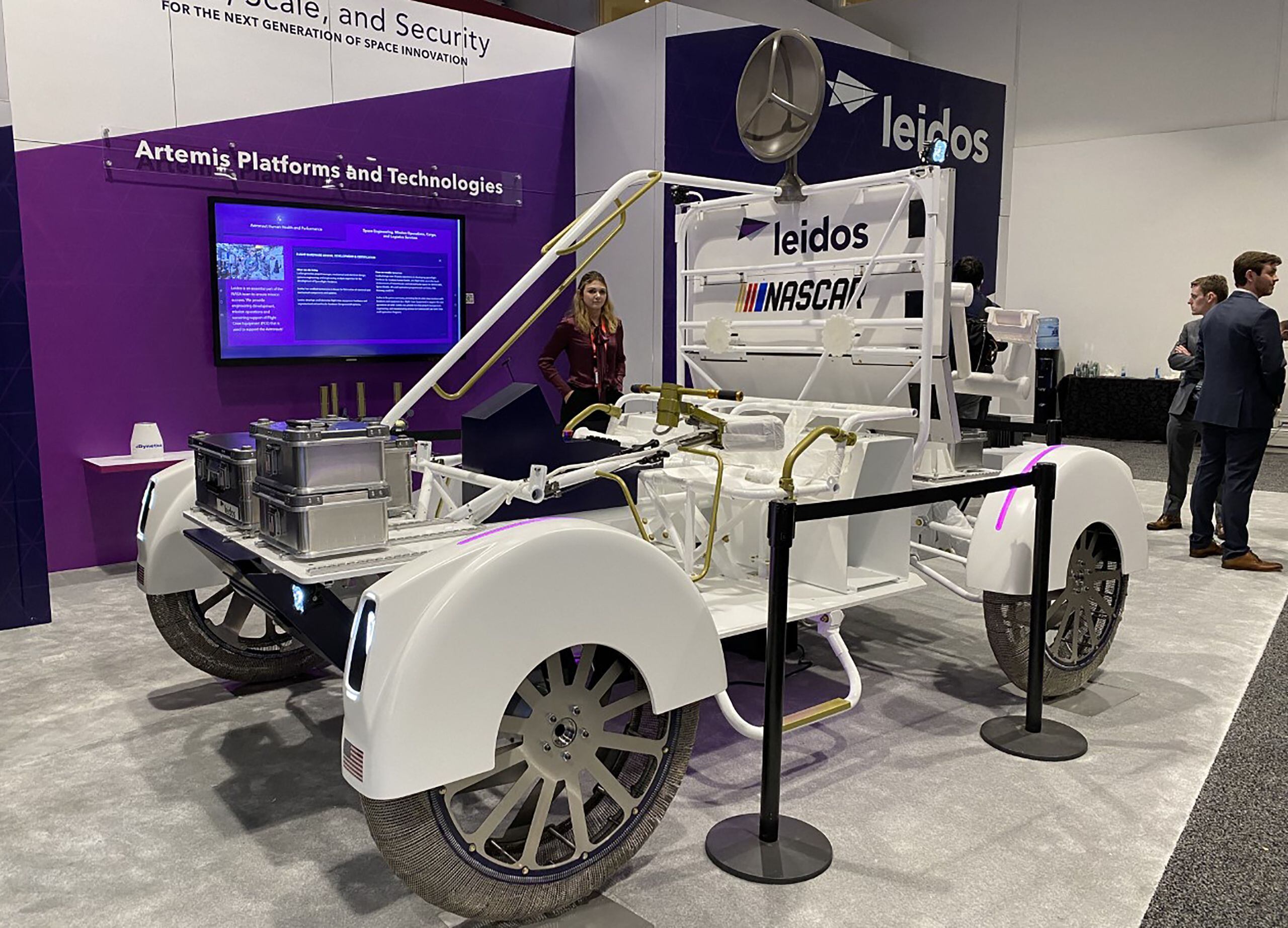
Dynetics reveló su prototipo el mes pasado (abril) en el Simposio Espacial de Colorado Springs.
Sin embargo, será después de las misiones Artemis (7 de aquí en adelante) cuando empezarán a buscar “añadir habitaciones permanentes en la superficie”, dijo Jim Free, administrador asociado de la NASA.
La misión Artemis 3, la primera que planea alunizar, no ocurrirá antes del final de esta década, así que los hábitats empezarían a construirse recién después de 2030.
La base probablemente comprenderá múltiples sitios, añadió, para diversificar los objetivos de la exploración espacial y ofrecer flexibilidad para los alunizajes.
Energía y comunicaciones
A pesar de que las fechas se ven lejanas, las compañías están ansiosas por hallar soluciones.
“El paso cero son las comunicaciones”, dijo a esta agencia Joe London, director ejecutivo de Crescent Space, una nueva subsidiaria de Lockheed Martin dedicada a servicios lunares.
“Piensa en cuando te mudas a un nuevo apartamento, lo primero que tienes que hacer es conectar tu teléfono y tu internet”.
Comenzando con un par de satélites, la compañía quiere convertirse en el proveedor de internet y Sistema de Posicionamiento Global (GPS) de la Luna.
Esto aliviaría la tensión en la Red del Espacio Profundo de la NASA, que amenaza con sobrecalentarse ante todas las próximas misiones, incluidas las privadas.
Landon estima que el valor del mercado lunar será de “$100.000 millones a lo largo de los próximos 10 años”.
El siguiente paso: encender las luces.
Astrobotic, con 220 empleados, es una de las tres compañías seleccionadas por la NASA para desarrollar paneles solares.
Deben instalarse verticalmente debido a que en el polo sur de la Luna, el destino preferido por la presencia de agua en forma de hielo, el sol apenas se asoma por el horizonte.
De unos 18 metros de alto, los paneles de Astrobotic estarán conectados por cables de varios kilómetros, dijo Mike Provenzano, director de sistemas de superficie lunar de la compañía.
Además, estarán fijados a vehículos para llevarlos a diferentes ubicaciones.
LEA MÁS: Europeos se acercan a la Luna con la misión Artemis
Vehículos
Para sus expediciones científicas, la NASA encomendó a la industria desarrollar para 2028 un “rover” despresurizado, es decir, descapotable para dos personas.
A diferencia de los “rovers” en las misiones Apolo, podrán operar de manera autónoma para salidas sin astronauta.
Esto implica que puedan sobrevivir a las heladas noches lunares, que pueden durar hasta dos semanas, con temperaturas que caen hasta los —170° C.
Muchas compañías ya dieron el primer paso.
Lockheed Martin se asoció con General Motors para apoyarse en la experiencia del gigante de los vehículos eléctricos y todoterreno.
Dynetics, subsidiaria de ingeniería del gigante Leidos, unió fuerzas con Nascar.
Su prototipo, que alcanzará una velocidad máxima de 15 kilómetros por hora, incluye un brazo robótico y ruedas de metal trenzadas para maximizar la tracción en la superficie arenosa y manipular cualquier encuentro con rocas.
El polvo lunar plantea un gran desafío porque, al no erosionarse por el agua o el viento, es casi tan abrasivo como el vidrio.
La NASA aún no anunció la empresa o empresas seleccionadas.
A más largo plazo, la NASA está trabajando con la agencia espacial japonesa JAXA en un vehículo presurizado en el que los astronautas no necesitarán usar sus trajes.
Hábitats
Finalmente, la tripulación necesita un lugar para colgar sus cascos y llamar a casa.
La NASA otorgó un contrato por $57.2 millones a Icon, una compañía con sede en Texas que se especializa en impresión 3D (tercera dimensión), para desarrollar la tecnología necesaria para construir caminos, pistas de aterrizaje y viviendas.
La idea es usar el suelo lunar como material.
Otras compañías, como Lockheed Martin, están desarrollando prototipos de viviendas inflables.
“Lo bonito es que puedes aterrizarlas en la Luna e inflarlas y entonces habrá mucho más espacio para que la tripulación viva y trabaje”, dice a esta agencia Kirk Shireman, vicepresidente de la Campaña de Exploración Lunar en Lockheed Martin.
Adentro habría habitaciones, una cocina y un espacio para instrumentos científicos.
El concepto básico detrás del regreso a la Luna con Artemis es ayudar a la NASA a prepararse para misiones más lejanas a Marte.
“Cualquier dinero que invirtamos en desarrollar estos sistemas en la Luna, queremos que sean aplicables para ir a Marte”, añade Shireman.