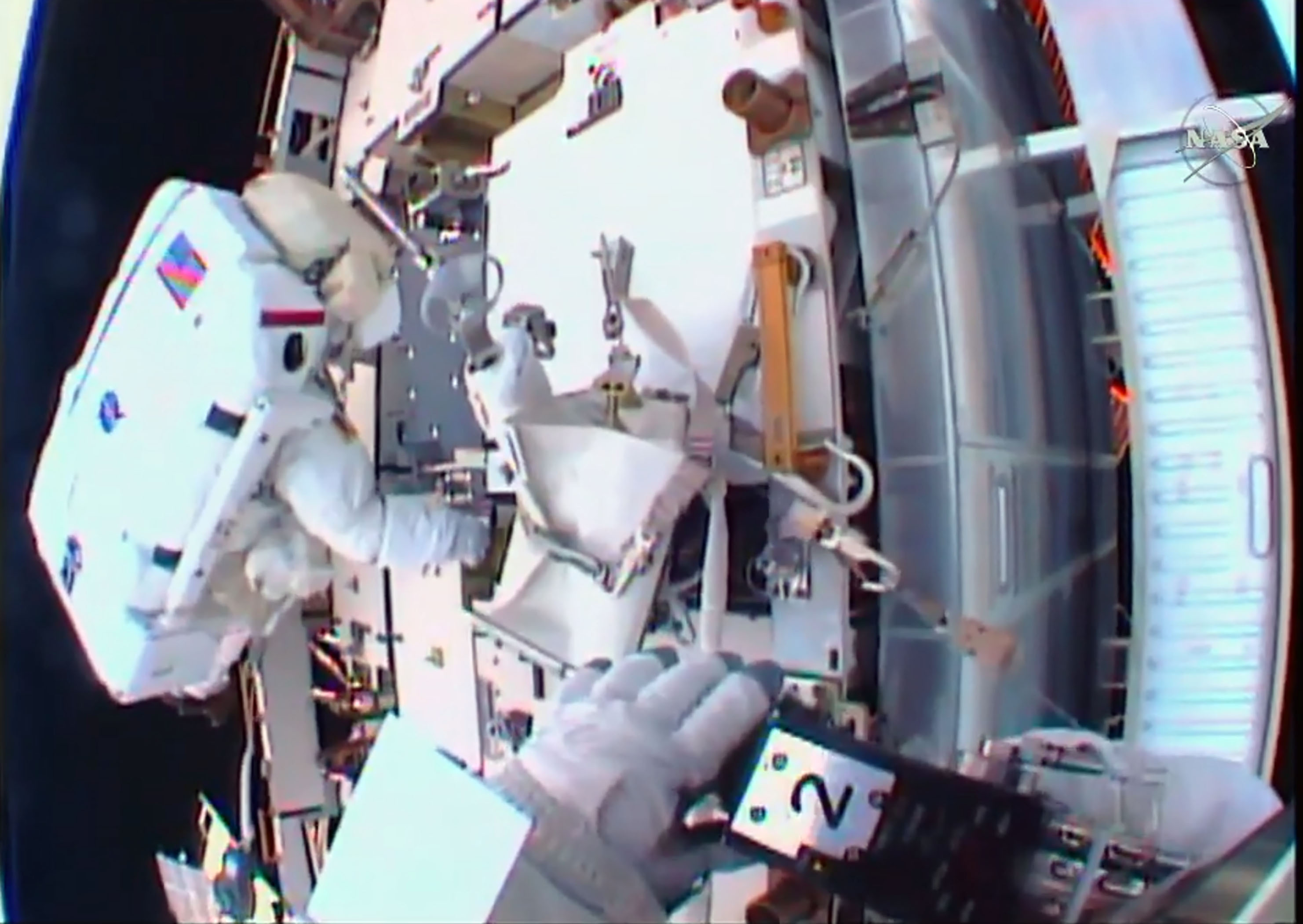
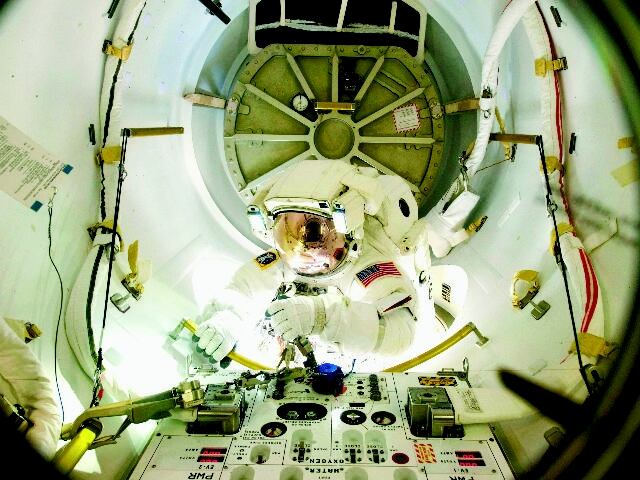
Pasar tres o más meses fuera del planeta Tierra sí afecta el cerebro de los astronautas. Una investigación de la Facultad de Medicina de la Universidad de Carolina del Sur en Estados Unidos indicó que hay diferencias en la estructura cerebral de quienes realizan misiones espaciales con una duración mayor a 90 días.
Estos surcos permiten que nuestros cerebros quepan en el cráneo y disminuyen la distancia entre las neuronas, lo que mejora la transmisión de información.
LEA MÁS: Astronauta de la NASA todavía no se recupera tras pasar un año en el espacio
Además, el estudio detectó una curvatura inusual en la corteza cerebral en el 94% de los astronautas que estuvieron en viajes largos, en comparación con quienes solo estuvieron en viajes cortos.
"Sabemos que los vuelos de larga duración suponen un estrés muy grande para los cuerpos de los astronautas, ya se ha estudiado mucho sobre lo que pasa con el sistema inmunitario, la vista o la densidad ósea, pero ¿qué le pasa al cerebro humano y a sus funciones?", manifestó en un comunicado de prensa Donna Roberts, coordinadora de la investigación.
Paso a paso
Roberts y su equipo llevan más de una década de investigar las posibles consecuencias de la microgravedad espacial en el cerebro de los astronautas, tanto en viajes cortos como largos.
LEA MÁS: Astronauta rompe el récord de permanencia en el espacio
Uno de sus primeros estudios consistió en poner a voluntarios a pasar acostados durante 90 días. Las personas estuvieron en una cama especial que les ponía un grado de inclinación con la cabeza hacia abajo para así simular los efectos de la microgravedad.
Los científicos realizaron resonancias magnéticas a las personas antes, durante y después del experimento para ver cómo se comportaba el cortex cerebral (tejido nervioso que cubre los hemisferios del cerebro).
Los resultados indicaron que los surcos se hacían más angostos conforme más tiempo pasaban los individuos en el experimento.
LEA MÁS: Astronautas francés y ruso vuelven a la Tierra tras 200 días en el espacio
En estudios posteriores, Roberts analizó y comparó resultados de resonancias magnéticas de dos grupos de astronautas: 18 que estuvieron en el espacio por períodos cortos de tiempo y 16 que estuvieron durante 90 días o más fuera del planeta Tierra.
Además, se analizaron imágenes de alta resolución en tercera dimensión de 12 astronautas que estuvieron en vuelos de larga duración y de seis que estuvieron en misiones de corta estadía.
Roberts y su equipo estudiaron el fluido cerebroespinal (líquido que protege el sistema nervioso central de las infecciones y de los traumatismos que pudieran lesionar al cerebro). Este fluido está encapsulado en estructuras llamados ventrículos.
LEA MÁS: Astronautas vivirán en ISS todo un año
El análisis arrojó que los ventrículos de los astronautas que permanecieron largo tiempo en el espacio tenían menor cantidad de líquido.
Otras zonas que se vieron afectadas son los lóbulos parietales y el frontal, que controlan el equilibrio y la función de movimientos.
Posibles consecuencias
¿Cómo impactará esto a los astronautas? Roberts y su equipo aseguran que aún es pronto para saber, pues la mayoría de las consecuencias pueden manifestarse a largo plazo.
LEA MÁS: Astronauta Scott Kelly: un año en el espacio compartiendo la belleza de la Tierra en redes sociales
Por esta razón, el equipo continuará investigando a los astronautas para ver cambios no solo en la estructura cerebral, si no también en su comportamiento, memoria, concentración, comunicación y realización de funciones básicas.
Toda esta información será de utilidad para cuando se realicen viajes a más largo plazo, como los que, en el futuro, se tienen previstos a Marte.