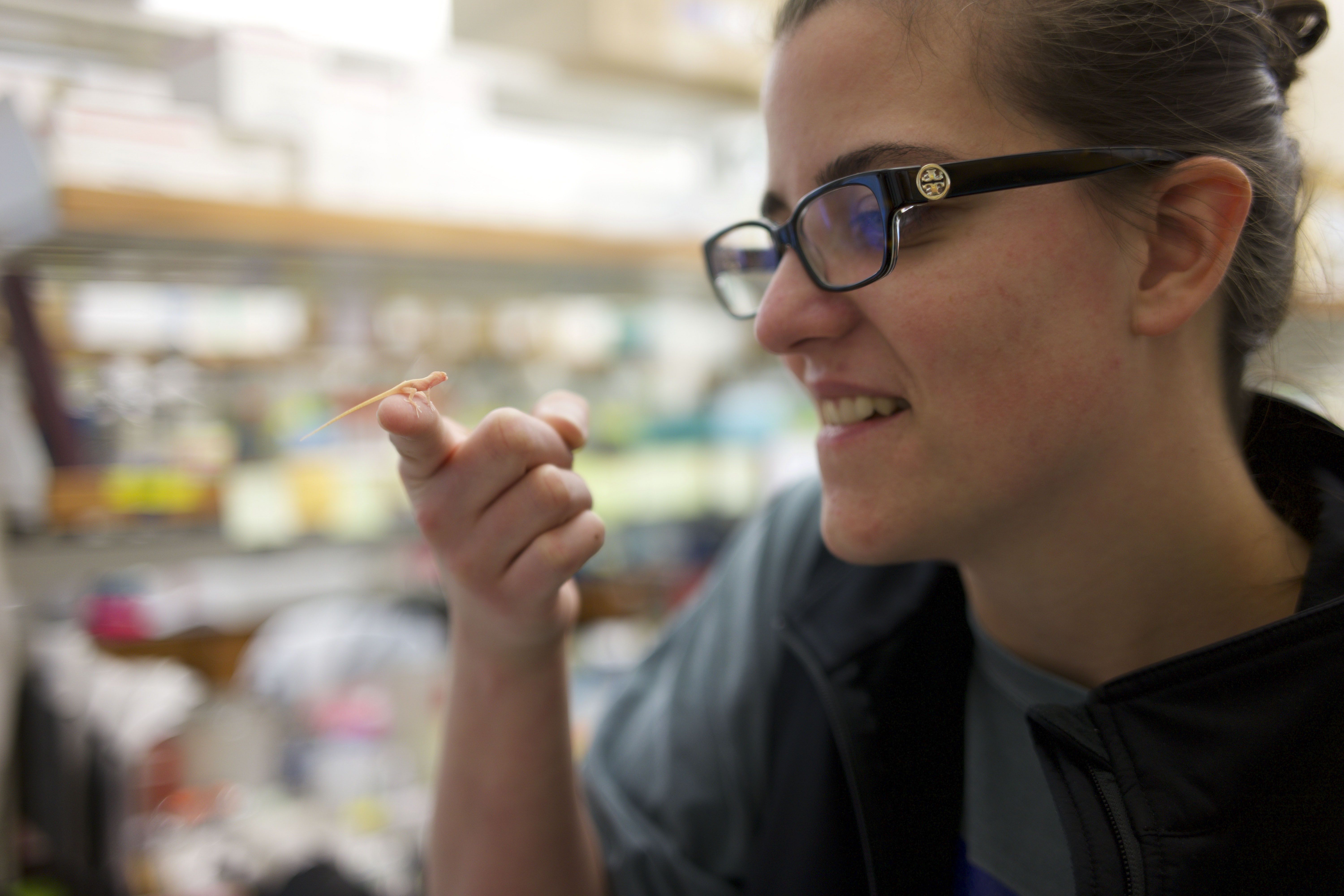
Un grupo de científicos de la Universidad de Georgia logró superar este desafío y consiguió con éxito crear lagartijas anolis albinas, que podrían ayudarnos a comprender mejor los problemas de visión de las personas con albinismo.
"Hemos estado batallando durante mucho tiempo para averiguar cómo modificar los genomas de los reptiles y manipularlos, pero nos hemos quedado estancados en el modo en que se realiza la edición de genes en los principales modelos de sistemas", dijo Doug Menke, coautor de un artículo que describió el trabajo publicado el martes en la revista Cell Press.
Los principales modelos de sistemas son los organismos comúnmente estudiados en el laboratorio como ratones, moscas de la fruta y peces cebra.
La edición genética CRISPR generalmente se realiza en óvulos recién fertilizados o cigotos unicelulares, pero la técnica es difícil de aplicar a los animales que ponen huevos. La razón es que los espermatozoides permanecen almacenados durante mucho tiempo en los oviductos de las hembras y es difícil saber el momento preciso en que se producirá la fertilización.
Pero Menke y sus colegas notaron que la membrana transparente que cubre los ovarios de las lagartijas les permitía ver qué óvulos serían los fertilizados, y decidieron inyectarles los reactivos CRISPR justo antes de que esto ocurriera.
No solo funcionó sino que, para su sorpresa, las ediciones de genes afectaron tanto la línea materna como el ADN paterno y no solo en la primera como habían previsto.
La elección
Pero, ¿por qué eligieron hacer que las lagartijas fueran albinas?
Primero, dijo Menke, eliminar el gen de la tirosinasa, que cataliza la producción de melanina y produce albinismo, no es letal para el animal.
En segundo lugar, los humanos con albinismo a menudo tienen dificultades de visión, por lo que los investigadores pueden usar a estas lagartijas del tamaño de un dedo índice como modelo para estudiar cómo el gen afecta el desarrollo de la retina.
"Los humanos y otros primates tienen una característica en el ojo llamada fóvea, que es una estructura en la retina en forma de hoyo que es clave para la agudeza visual. La fóvea está ausente en los principales modelos de sistemas, pero está presente en las lagartijas anolis, ya que confían en la visión altamente aguda para cazar insectos", dice Menke.
El equipo sostiene que la técnica también podría aplicarse a las aves, que han sido editadas genéticamente en el pasado pero utilizando procesos más complejos.
Desde que irrumpió en escena hace casi dos décadas, la CRISPR (también conocida por su nombre completo, CRISPR-Cas9) se ha utilizado para una serie de aplicaciones revolucionarias: desde reducir la gravedad de la sordera congénita en ratones hasta crear polémicos bebés humanos inmunes al VIH.
Menke argumentó que era esencial ampliar el rango de animales en los que se podría aplicar la técnica.
“Sin duda, cada especie tiene cosas que decirnos si nos tomamos el tiempo para desarrollar los métodos para realizar la edición genética”, dijo.