Tesla enfrenta demanda por ‘engañar a los consumidores’
Departamento de Vehículos Motorizados dijo que Tesla publicitó sus tecnologías de piloto automático y conducción autónoma como más capaces de lo que realmente son
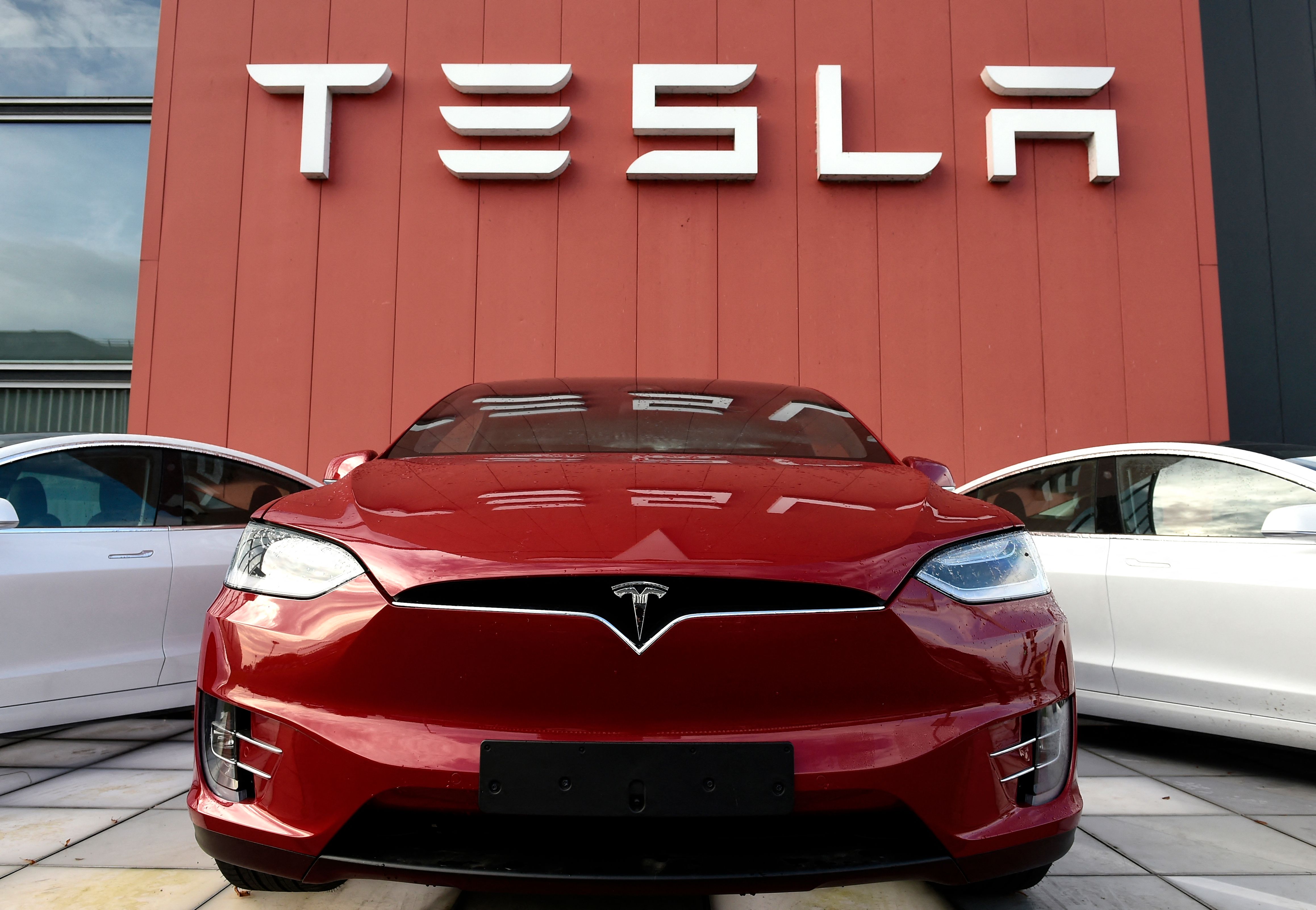
(FILES) In this file photo taken on October 23, 2019 (FILES) In this file photo taken on October 23, 2019 the logo marks the showroom and service center for the US automotive and energy company Tesla in Amsterdam. - US officials are probing whether Tesla's "passenger play" videogame function could lead to crashes, according to an online posting on December 22, 2021, by the National Highway Traffic and Safety Administration. The feature, available on an estimated 580,000 Tesla models from 2017 through 2022, "allows the gameplay to function on the front center touchscreen while the vehicle is in motion and may present a distraction to the driver," according to the administration. (Photo by JOHN THYS / AFP) JOHN THYS
San Francisco. Un regulador de California acusó a la empresa Tesla de engañar a los consumidores sobre sus sistemas de asistencia al conductor y presentó una demanda que podría impedir al fabricante de automóviles vender su producción en el estado, informaron el viernes medios estadounidenses.
En su presentación, el Departamento de Vehículos Motorizados (DMV) californiano dijo que Tesla publicitó sus tecnologías de piloto automático y conducción autónoma como más capaces de lo que realmente son, según reportó el diario Los Angeles Times.
La compañía “hizo o difundió declaraciones que son falsas o engañosas y no se basan en hechos”, señala la demanda, presentada el 28 de julio ante el tribunal de la Oficina de Audiencias Administrativas.
Los autos Tesla nunca podrían “y no pueden operar ahora como vehículos autónomos”, dijo el DMV, indicó el periódico de California. El regulador no respondió de inmediato la solicitud de comentarios que le formuló la AFP.
El sitio web de Tesla describe que su piloto automático tiene "una capacidad total de conducción autónoma".
“Todo lo que tendrá que hacer el conductor es entrar a su vehículo y decirle adónde ir”, señala el portal. “Si no le dice nada, el auto mirará su agenda y lo llevará allí como el destino asumido”.
Un fallo a favor del regulador de California podría tener graves consecuencias para el fabricante de automóviles eléctricos, incluida una posible revocación de las licencias que autorizan a Tesla a fabricar y vender sus automóviles en el estado, según el Times.
Pero un portavoz del DMV dijo al periódico que la agencia apuntaría en realidad a que Tesla eduque mejor a los conductores sobre sus vehículos autónomos y admita las limitaciones de su tecnología.
Los vehículos Tesla equipados con software de conducción autónoma han estado involucrados en 273 accidentes en Estados Unidos, según un informe publicado en junio por la Administración Nacional de Seguridad del Tráfico en las Carreteras, que está investigando al fabricante de automóviles.
En junio, el propietario de Tesla, el magnate Elon Musk, destacó la importancia de la conducción totalmente autónoma y afirmó que sin ella el valor de su empresa sería “cercano a cero”.
El Departamento de Vehículos Motorizados informó que busca que Tesla eduque mejor a sus consumidores y acepte las limitaciones de su tecnología. (JOHN THYS/AFP)