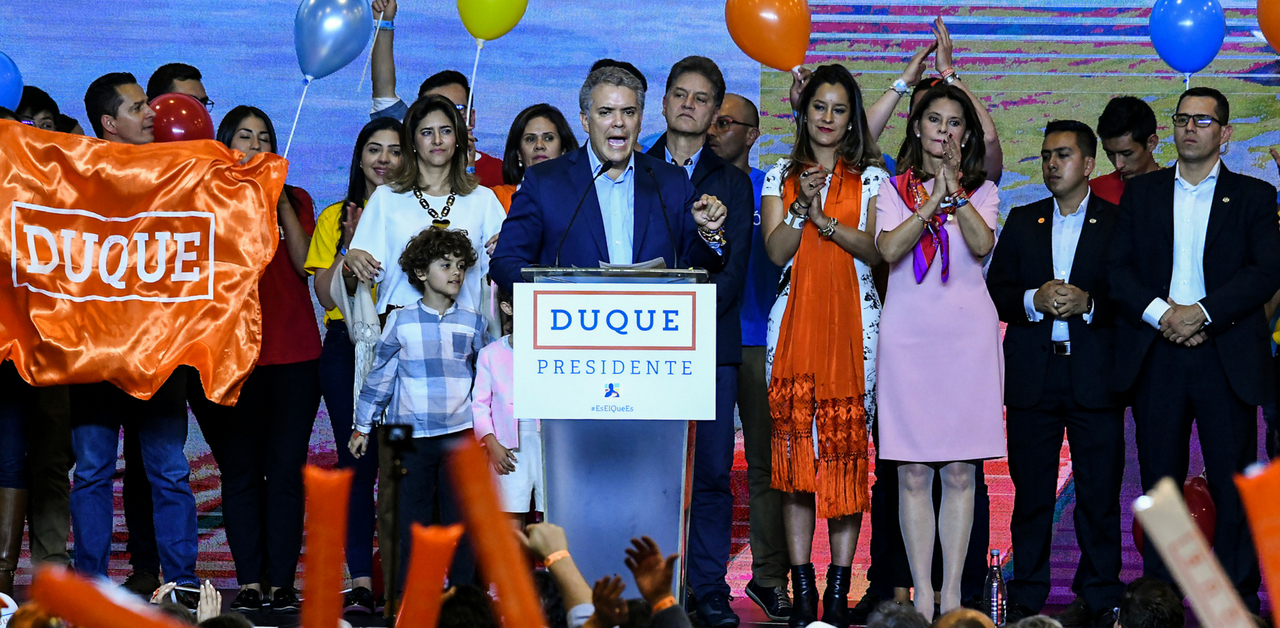
Este domingo Colombia elegirá al sustituto de Juan Manuel Santos. Iván Duque y Gustavo Petro se disputarán la presidencia luego de ser los más votados en la primera ronda.
Duque lideró la votación, del 27 de mayo, con el 39,1% de los votos, mientras que Petro obtuvo el 25,1%.
¿Qué podría definir la elección? ¿Por qué importa esta contienda? ¿En qué contexto llega? Estas son las claves de la segunda ronda electoral colombiana.
LEA MÁS: Derecha contra izquierda: El histórico duelo final por el poder en Colombia
¿Cómo pasó?
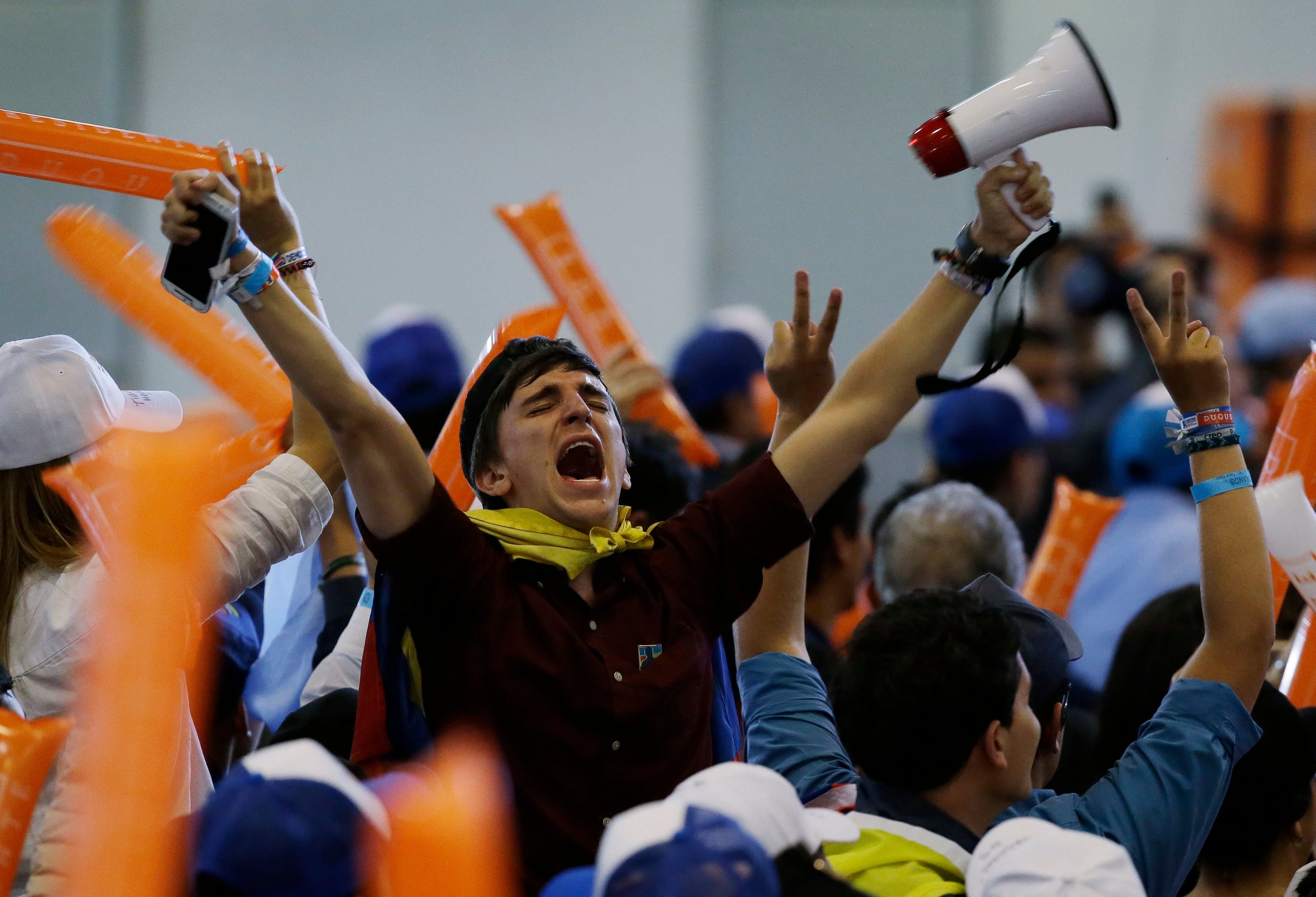
Entre los factores que le habrían permitido a Duque ganar la primera ronda electoral se encuentran el fuerte apoyo que tuvo del uribismo y su posición crítica sobre el acuerdo de paz alcanzado por Juan Manuel Santos con las Fuerzas Armadas Revolucionarias de Colombia (Farc).
Por su parte, Gustavo Petro logró llegar a segunda ronda por el apoyo de la izquierda colombiana y sobre todo porque su discurso anti tradición caló en una parte de la población que se siente excluida por las políticas promovidas desde la presidencia de Santos.
¿Por qué importa?
Este será el primer presidente que nombrará Colombia tras los acuerdos de paz firmados por Juan Manuel Santos. Durante medio siglo, el país sudamericano ha vivido en guerra y el nuevo mandatario tendrá el reto de consolidar la paz.
Sin embargo, los dos candidatos a la presidencia tienen posiciones distintas sobre el futuro de los acuerdos. Petro se mercadea como garante de la paz, pero critica la ausencia de reformas sociales que solucionen los problemas de fondo que generaron el conflicto armado.
Por otro lado, Duque se muestra como un fuerte opositor del acuerdo con las FARC y en su discurso de ganador de la primera ronda aseguró que pretende revisarlo. Si resulta ganador, el líder de derecha promete cambios respecto a la participación política de los exintegrantes de las FARC.
¿Quiénes están involucrados?
Gustavo Petro, exguerrillero del Movimiento 19 de abril (M-19), es un político y economista de izquierda, fue senador y alcalde de Bogotá. Se define a sí mismo como “progresista”.
Con un discurso que trata de romper el molde de la política tradicional, Petro centró su campaña en la necesidad de promover reformas económicas que beneficien a los "olvidados" del sistema.

Al otro lado de la contienda se ubica Iván Duque, abogado y político colombiano que también fue senador, es el candidato de la derecha y cuenta con el apoyo del uribismo.
Duque fue enérgico, durante su campaña, en señalar la necesidad de fortalecer las fuerzas armadas.
El expresidente Álvaro Uribe es una de las figuras más relevantes de la contienda, el exmandatario es uno de los políticos que cuenta con más popularidad y sin duda fue una figura vital en la victoria de Duque de primera ronda.
Otra figura trascendental es Sergio Fajardo, quien en la primer ronda obtuvo el 23,7% de los votos, su apoyo podría inclinar la balanza, pero de momento sigue defendiendo su decisión de votar en blanco en la segunda ronda electoral.
Para nosotros el voto no es una obligación, es una convicción. Es un acto de confianza que se refrenda libremente en cada elección. Creemos que la confianza es el resultado de actuar coherente y consistentemente ante la
— Sergio Fajardo (@sergio_fajardo) May 31, 2018
ciudadanía. https://t.co/HBkAEx5dzN