Es una situación que parece hipotética, pero es posible que ninguno de los candidatos a la Presidencia de Estados Unidos logre los 270 votos electorales que, como mínimo, se requieren para ser declarado ganador por el Colegio Electoral.
El sistema electoral estadounidense es indirecto, lo cual quiere decir que el 3 de noviembre los ciudadanos no estará escogiendo propiamente a su próximo mandatario, sino a un grupo de grandes electores en cada estado. Estos, reunidos en el Colegio Electoral, serán quienes elijan al presidente.
El número de votos electorales de cada estado está constituido por la suma de miembros en la Cámara de Representantes más los dos senadores. Así, California cuenta con 55 grandes electores (votos electorales) pues dispone de 53 representantes y dos miembros en el Senado (como todos los estados).
Excepto en Maine y Nebraska, en los restantes 48 estados el candidato ganador consigue todos los votos electores.
En total, el Colegio Electoral lo forman 538 grandes electores, entre ellos tres del Distrito de Columbia (Washington D.C.), asiento de la capital del país.
Es posible, como sucedió en 1824, que ningún aspirante obtenga el “número mágico”: 270 votos electorales o que se registre un empate a 269.
Salida al problema
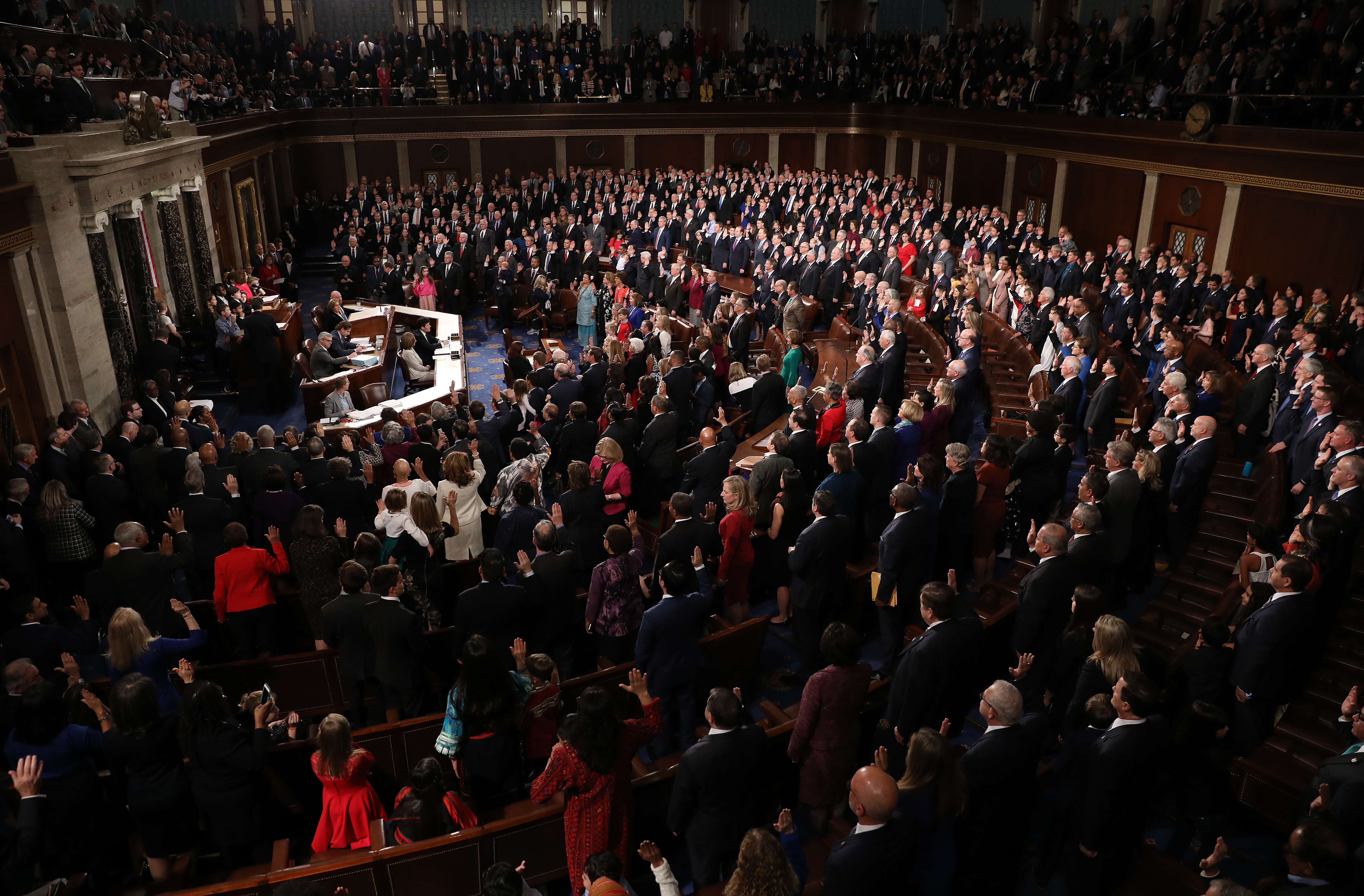
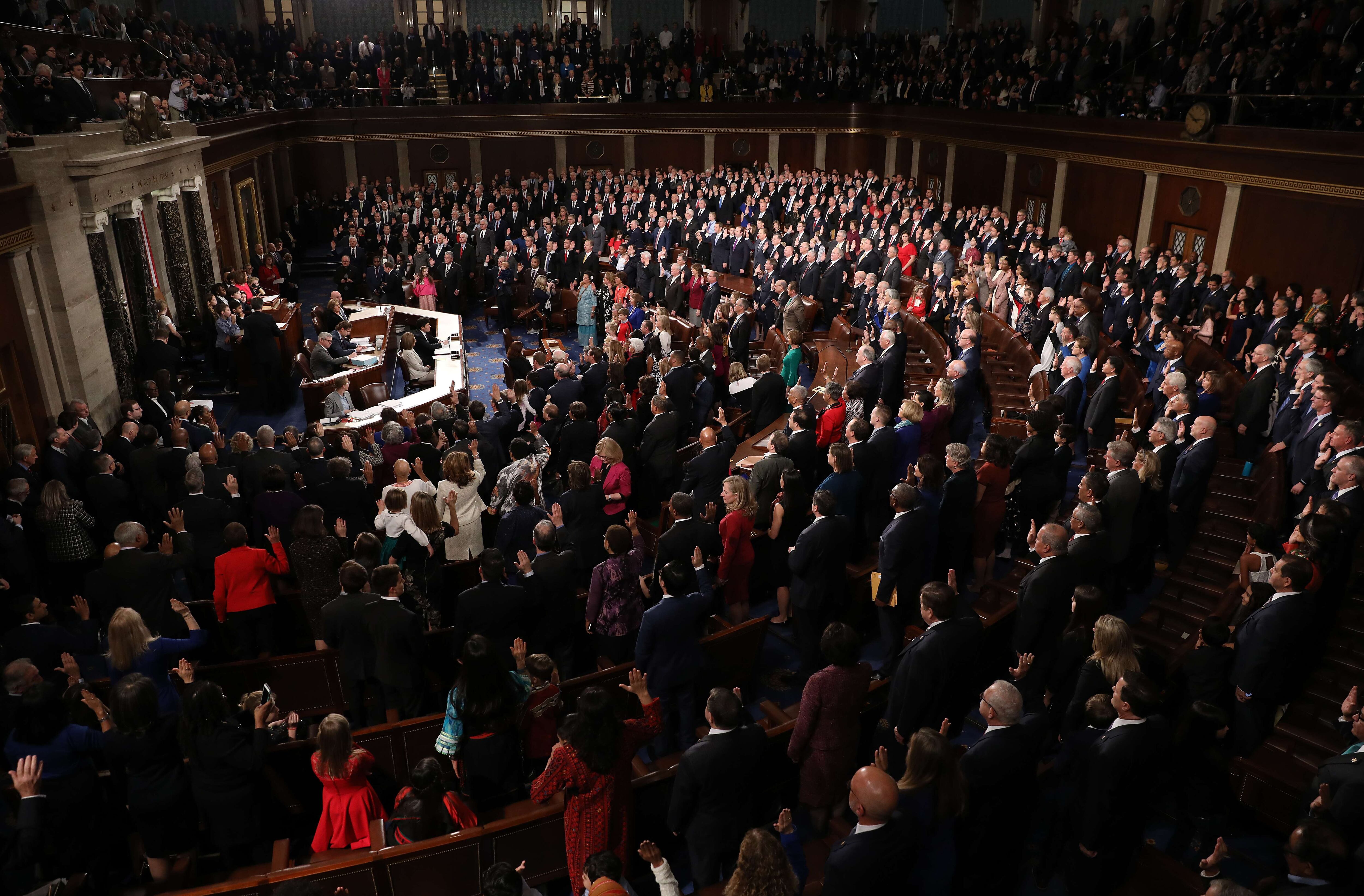
Previendo tal caso, la Constitución federal determinó que será la nueva Cámara de Representantes la encargada de escoger al presidente entre los tres candidatos con mayor votación popular (en Estados Unidos no solo demócratas y republicanos compiten en los comicios, pero son abrumadoramente dominantes).
Aunque ese cuerpo legislativo está constituido por 435 escaños, en esta elección cada estado tiene un voto y sus representantes deberán decidir por quién se inclinan. Se necesitan, por tanto, 26 sufragios para ganar la Presidencia.
(Video) ¿Quién elige al presidente de EE. UU. si ningún candidato logra 270 votos electorales?
La designación del vicepresidente es potestad del Senado, que tiene 100 miembros.
La Cámara Alta deberá decidir entre los dos candidatos restantes a quién elige, por mayoría simple (51 votos).
Valga decir que en caso de renuncia, muerte o destitución del vicepresidente (por juicio político o impeachment), toca al Senado nombrar el reemplazo.