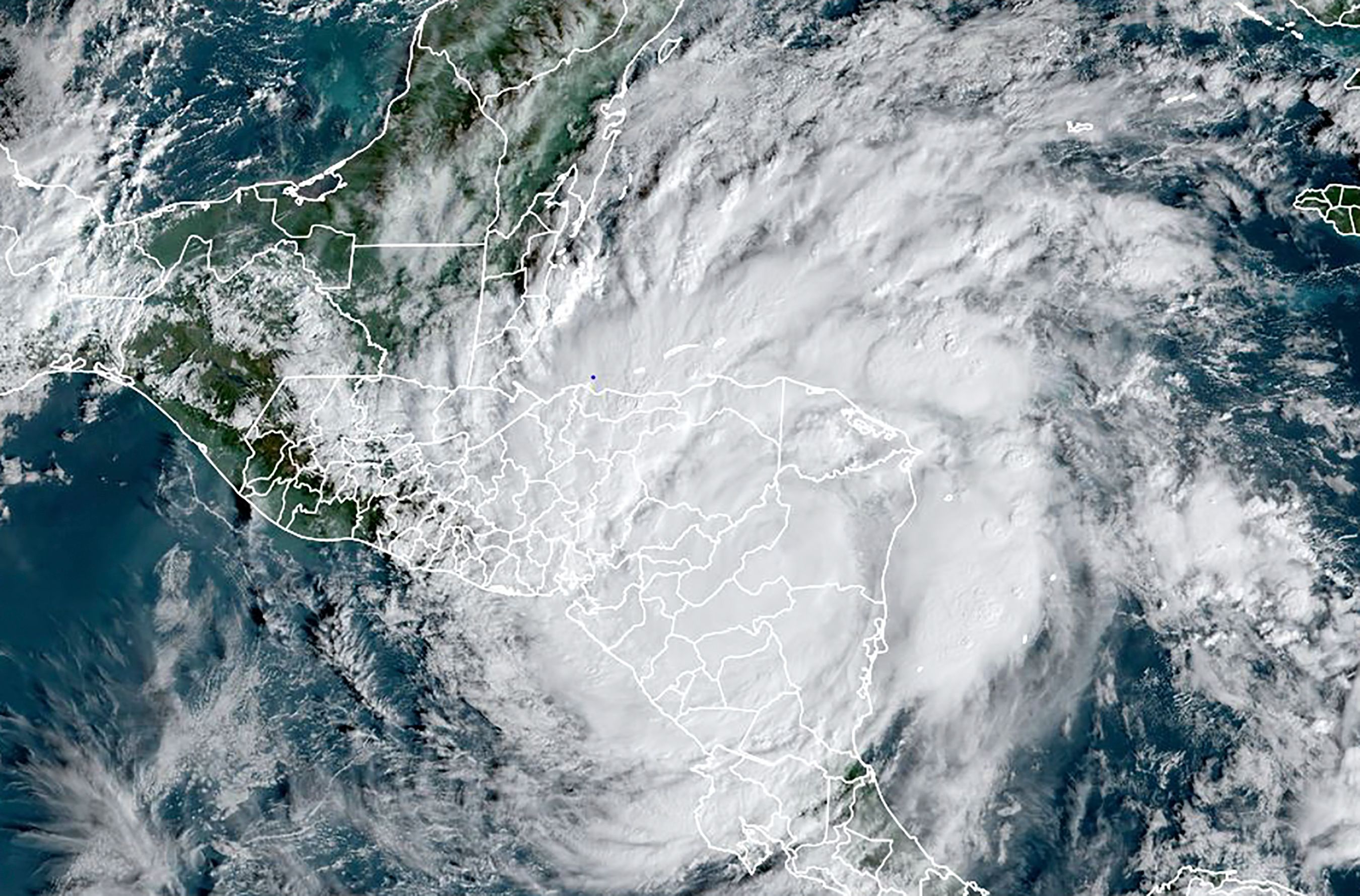
Managua. Iota se degradó este martes a tormenta tropical tras azotar con fuertes lluvias y vientos a Nicaragua, donde miles de personas quedaron incomunicadas, sin agua ni luz, mientras continúa su avance por una Centroamérica devastada hace dos semanas por el ciclón Eta.
Tras tocar tierra el lunes en Nicaragua como huracán categoría 5 (la máxima en la escala Saffir-Simpson), ahora “Iota se degradó a tormenta tropical, con vientos máximos sostenidos de 105 km/h”, en el norte de Nicaragua y avanzando rumbo a Honduras, informó el Instituto Nicaragüense de Estudios Territoriales (Ineter).
El ciclón cambió su rumbo norte y se orientó hacia el oeste, con lo que debía ingresar a la vecina Honduras al final del martes, indicó la Comisión Permanente de Contingencias (Copeco) de ese país.
El paso de Iota deja hasta ahora seis muertos, incluyendo dos niños que perecieron al intentar cruzar un río en el sureste de Nicaragua, informó la primera dama, Rosario Murillo. El diario La Prensa consignó el deceso de dos personas en el municipio de Wiwilí, departamento de Jinotega, norte del país.
Este lunes se reportó un muerto en la isla colombiana de Providencia, y otro este martes en la comunidad indígena panameña de Ngäbe Buglé.
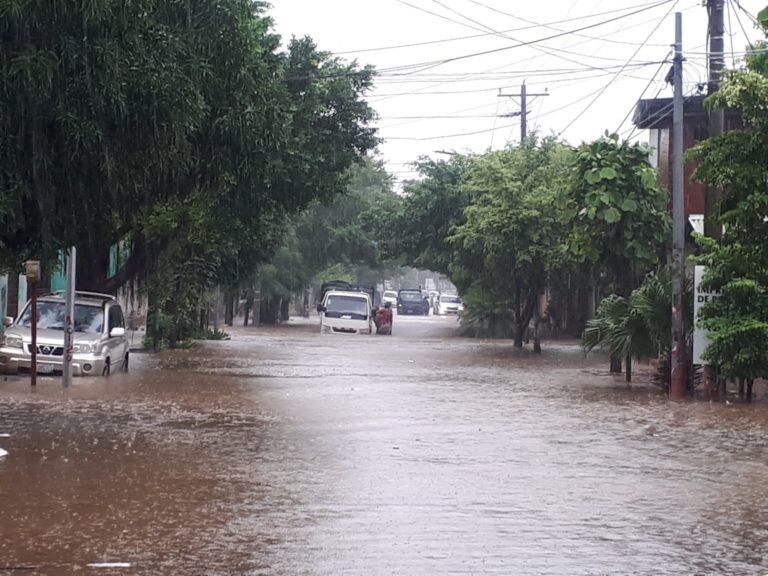
Más fuerte que su predecesor, Iota llegó a Nicaragua como huracán con vientos máximos de 260 km/h, según un informe del Centro Nacional de Huracanes de Estados Unidos (NHC), pero luego comenzó a perder fuerza.
Inundaciones repentinas y crecidas de ríos que amenazan la vida de los pobladores se continuarían registrando hasta el jueves en partes de América Central debido a las lluvias provocadas por Iota, previno el NHC.
LEA MÁS: 'Catastrófico’ huracán Iota toca tierra y comienza a golpear el Caribe de Nicaragua
En Honduras, Nicaragua y Guatemala esas situaciones “podrían verse exacerbadas por los efectos recientes del huracán Eta”, que tocó tierra el 3 de noviembre también en el Caribe nicaragüense y dejó al menos 200 muertos y 2,5 millones de afectados en Centroamérica.
En Bilwi, principal ciudad del Caribe norte de Nicaragua, hay “caída de árboles, de postes de luz del tendido eléctrico, de techos de casas que salieron por el aire y un hotel que perdió todo el techo”, indicó el director del Sistema Nacional de Prevención, Mitigación y Atención de Desastres (Sinapred), Guillermo González.
Sin comunicación
El ministro nicaragüense de Infraestructura, Denis Moncada, dijo que brigadas intentan despejar 497 árboles que cayeron sobre carreteras en los municipios caribeños de Rosita, Siuna y Bonanza.
Agregó que en la costa del Pacífico hay cortes de vías, principalmente en el departamento sureño de Rivas, sobre la carretera Panamericana, por el desborde del río Ochomogo.
Sinapred informó de que 48.000 personas fueron evacuadas en Nicaragua, la mayoría en el Caribe norte.
Sin embargo, se desconoce la magnitud real de los daños causados por Iota en el Caribe norte debido a que la comunicación con Bilwi está interrumpida.
La empresa de Telecomunicaciones (Telcor) informó en una nota de prensa de que hay “serias afectaciones con los servicios de telecomunicaciones” en esa localidad.
Las autoridades mantenían la alerta roja en el Caribe norte y amarilla en el resto del territorio.
El gobierno puntualizó que 114.200 viviendas en todo el país quedaron sin energía eléctrica y 47.638 carecían de agua a causa de Iota.
Los fuertes vientos y los aguaceros inundaron los barrios bajos de Bilwi y dejaron sin electricidad a Bilwi incluso antes de la embestida de Iota, observaron periodistas de AFP en el lugar.
Habitantes de la zona aseguraron que el viento arrancaba techos de las casas “como si fueran de cartón”.
Sinapred alertó también de potenciales deslizamientos por las intensas lluvias en otras localidades de Nicaragua.
Amenaza regional
Mientras Iota se acercaba a Honduras, militares y policías desalojaban a los pobladores de zonas de riesgo en la región del valle de Sula y de orillas de los ríos y barrios propensos a deslaves en Tegucigalpa.
El diario hondureño La Prensa consignó que los efectos del meteoro empezaron a percibirse con mayor intensidad a partir de la mañana del martes, sobre todo en el departamento de Gracias a Dios, Tocoa, La Ceiba, La Lima, Tela, El Progreso, Tegucigalpa y partes del occidente del país.

En la comunidad miskita de Nueva Jerusalén, en el Caribe, los vientos destruyeron el techo del centro de salud y 38 viviendas, y arrancaron árboles frutales y maderables, según un informe del organismo de local protección civil (Copeco).
Copeco adelantó que las mayores lluvias caerían este martes en los norteños departamentos de Atlántida, Cortés, Comayagua (centro) y Santa Bárbara (oeste).
LEA MÁS: Huracán Iota: Deslizamientos generan cierre de vías en Buenos Aires de Puntarenas
El incremento de las precipitaciones repercutió en la subida del caudal de los ríos, cortes en carreteras, caída de árboles, daños en puentes e interrupciones en los servicios de electricidad e Internet, indicó aquel periódico.
El lunes, al menos una persona murió en la isla colombiana de Providencia donde Iota destruyó cerca del 98% de su infraestructura, según informó el presidente Iván Duque en Twitter.
Guatemala se preparaba para “lo peor”, señaló el presidente Alejandro Giammattei, aunque los daños han sido menores a lo esperado.
La actual temporada de huracanes en el Atlántico ha batido récords. Iota es la decimotercera de las 30 tormentas con nombre registradas este año que alcanzó la categoría de huracán.
