
Omsk. No se ha descubierto “ningún veneno” en el organismo del líder opositor ruso Alexéi Navalni, ingresado muy grave en un hospital en Siberia, según los médicos, que subrayaron que su estado es “inestable” y no puede ser trasladado al extranjero, como desean sus allegados.
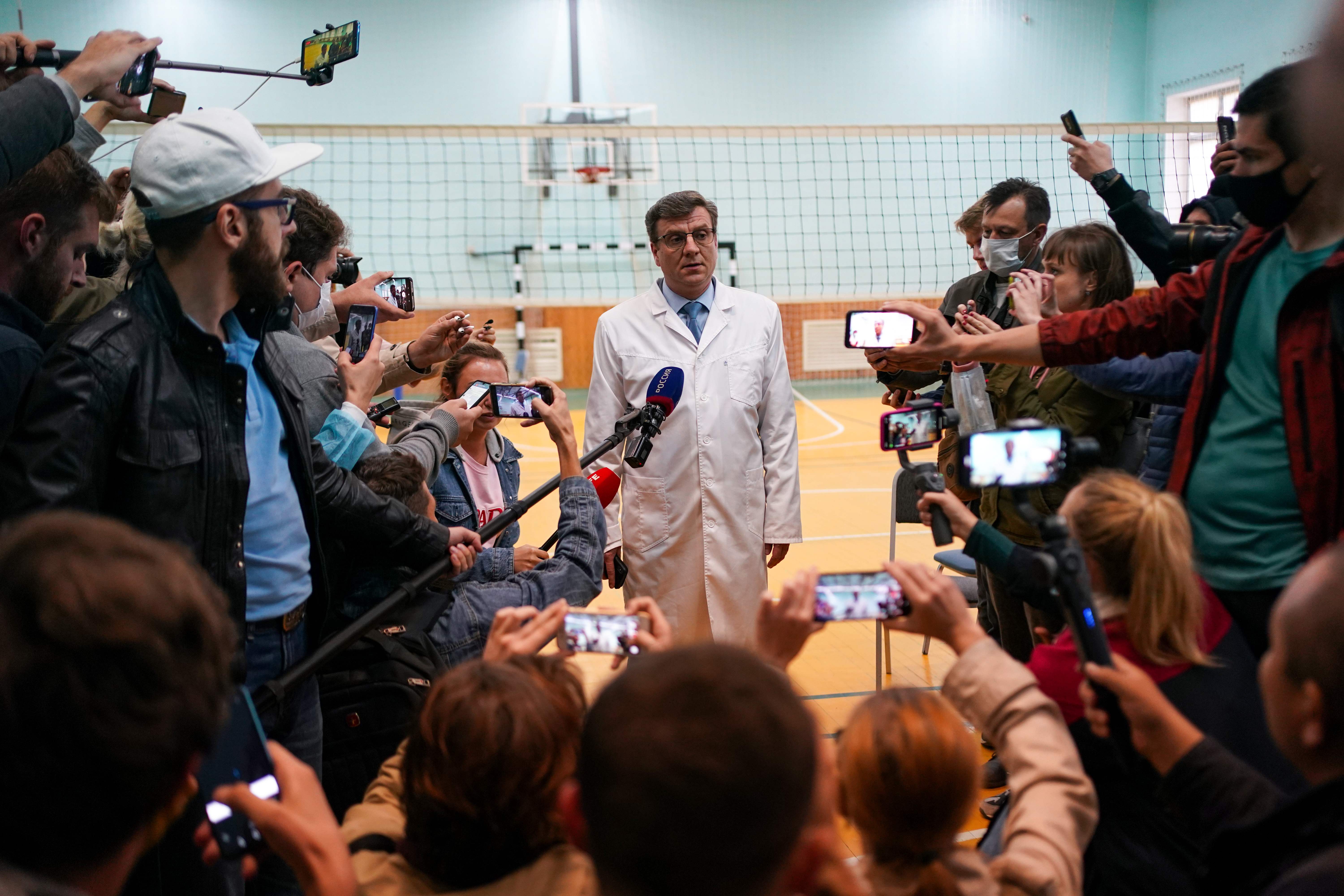
"Hasta ahora no se ha identificado ningún veneno en la sangre ni en la orina, no hay rastros", dijo Anatoli Kalinishenko, subdirector del hospital de urgencias n°1 de Omsk, donde el opositor fue internado el jueves.
El entorno del líder opositor afirma que fue “envenenado intencionalmente” con algo mezclado con su té.
Alexéi Navalni, abogado de 44 años y uno de los críticos más duros contra el Kremlin, regresaba en avión de Tomsk a Moscú cuando empezó a sentirse mal. El aparato tuvo que hacer un aterrizaje de emergencia en Omsk, en Siberia.
LEA MÁS: Alexéi Navalni es un tenaz luchador contra los intocables en Rusia
El opositor fue ingresado en el hospital, en la unidad de cuidados intensivos, donde está en coma y conectado a un respirador artificial.
"No creemos que haya sido víctima de un envenenamiento", agregó Kalinishenko, añadiendo que no podía, por ley, hacer público su diagnóstico, pero que sí había sido comunicado a su familia.
El responsable médico afirmó además que su estado "inestable" no permite el traslado al extranjero, pese a la llegada a Omsk el viernes al amanecer de un avión medicalizado desde Alemania, fletado por una ONG que espera llevar al líder opositor a Berlín.
En una carta dirigida al presidente Vladimir Putin y publicada en Twitter, la esposa de Navalni, Yulia Navalnaia, pidió al mandatario la autorización para este traslado.
“Estimo que Alexéi Navalni necesita una asistencia médica cualificada en Alemania (...) Me dirijo directamente a usted para pedirle permiso para llevarlo”, afirmó Yulia Navalnaia, en una carta difundida en Twitter en la que considera “reunidas todas las condiciones para un transporte inmediato de Alexéi bajo la supervisión de médicos de alto nivel”.
‘Amenaza para su vida'
El rechazo a trasladarlo “es una amenaza directa para su vida”, dijo por su parte en Twitter la portavoz del opositor, Kira Yarmysh.
Poco después, un vocero del Kremlin aseguró que se trata de una decisión “puramente médica”.
El brazo derecho del activista, Leonid Volkov, denunció por su parte "una decisión política y no médica". "Esperan que las toxinas se disuelvan en el cuerpo y no puedan ser detectadas. No hay diagnóstico ni análisis. La vida de Alexéi está en peligro", aseguró en Twitter.
"Negarse a trasladarlo es necesario para ganar tiempo y esperar que el veneno ya no sea detectable en su organismo", corroboró Yarmysh.
Otro médico responsable del hospital, Alexander Murajovski, explicó a los periodistas que no hubo complicaciones durante la noche y que el estado de Navalni mejoró ligeramente el viernes por la mañana, aunque todavía estaba inconsciente. Según él, la hipótesis privilegiada hasta ahora es "un desequilibrio glucémico, es decir un problema metabólico".
"Sobre su traslado, creemos que la cuestión es prematura. Es necesario llegar a una estabilización del paciente", afirmó.
Según este doctor, hay que resolver también "ciertas cuestiones jurídicas" antes de dejar que los médicos europeos examinen a Navalni.
El avión medicalizado fletado por la ONG alemana “Cinema for Peace”, que ya realizó una operación similar con un miembro del grupo de opositores rusos Pussy Riot en el 2018, llegó por el viernes la mañana a Omsk, según los medios locales.
“No podemos confiar en este hospital y exigimos que (Navalni) nos sea devuelto para que podamos hacer que se recupere en un hospital independiente”, dijo la esposa del opositor.
LEA MÁS: Médicos luchan por salvar a opositor en Rusia, posible víctima de un envenenamiento
Ataques precedentes
Por su parte, la embajada estadounidense en Moscú dijo que si la hipótesis del envenenamiento se confirma será “un momento grave para Rusia”.
Por su parte, la UE pidió una investigación "rápida, independiente y transparente".
El presidente francés, Emmanuel Macron, y la canciller alemana, Angela Merkel, se dijeron el jueves extremadamente "preocupados" y "conmocionados" y pidieron "claridad" y "transparencia" sobre el estado de salud de Navalni. Ambos países ofrecieron asistencia médica al líder opositor.
Navalni, cuyas publicaciones sobre la corrupción de las élites rusas son muy seguidas en las redes sociales, ya ha sido víctima de varios ataques físicos. En 2017, fue rociado con un producto antiséptico en los ojos a la salida de su oficina en Moscú.
En julio del 2019, cuando cumplía una corta condena en la cárcel, sufrió súbitamente una erupción cutánea en el torso y denunció que había sido envenenado. Las autoridades explicaron que había tenido “una reacción alérgica”.
Navalni estaba haciendo campaña estos días a favor candidatos de oposición de cara a las elecciones regionales de setiembre. El líder opositor ha sido condenado en varias ocasiones a cortas condenas de cárcel, debido principalmente a la organización de manifestaciones.
Varios adversarios a las autoridades rusas han sufrido envenenamientos en los últimos años, en Rusia o en el extranjero.
Ha habido dos casos muy mediatizados en el Reino Unido en el 2018 y el 2006 contra exagentes secretos rusos.
En marzo del 2018, un exagente doble y su hija, Serguéi y Yulia Skripal, fueron encontrados inconscientes en un banco de una pequeña ciudad del sur de Inglaterra. Londres acusó a Moscú de estar detrás de un envenenamiento utilizando Novichok, un poderoso gas agente nervioso fabricado en la era soviética.