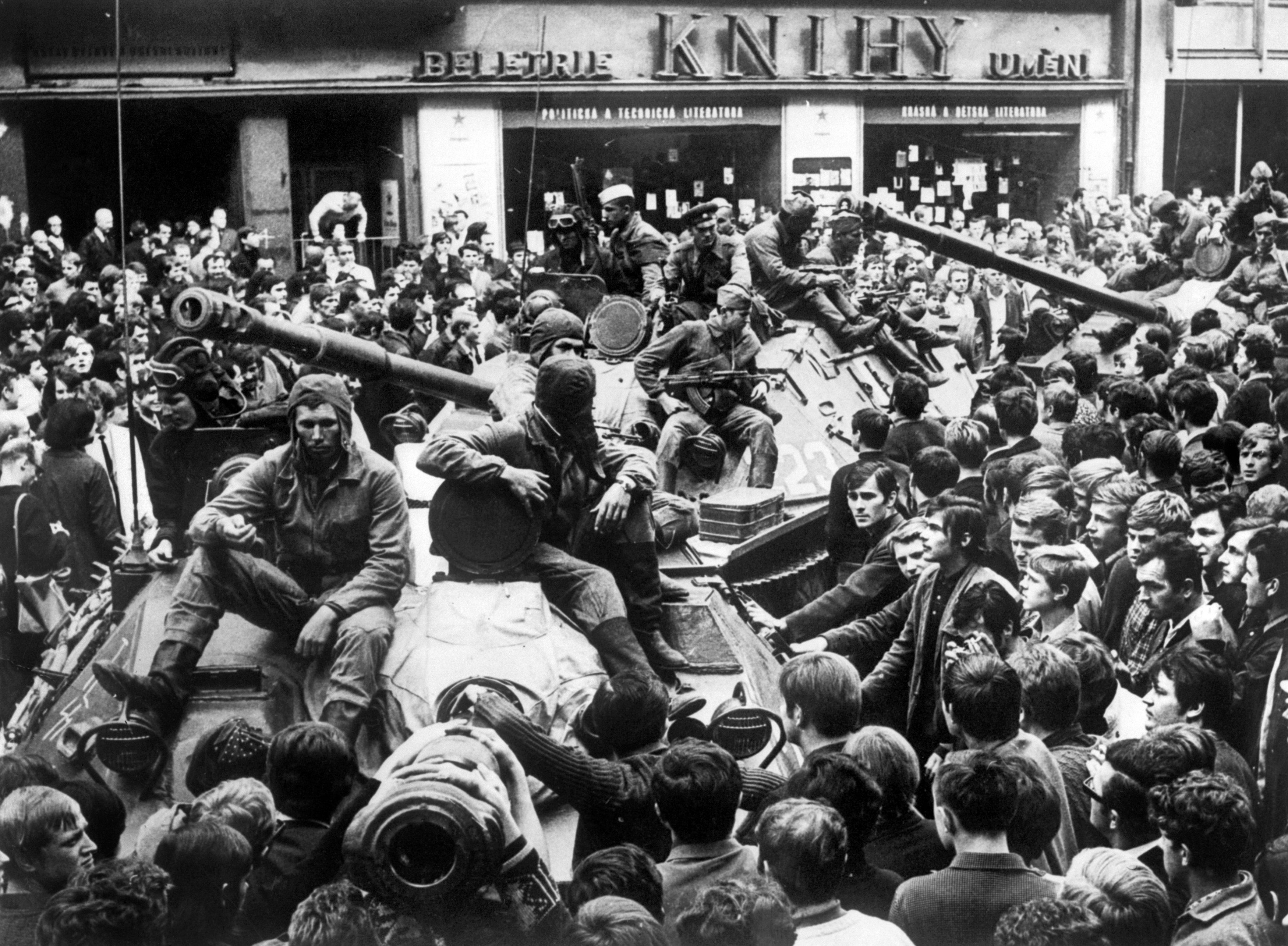
Praga. Hace 50 años, el 5 de enero de 1968, Alexánder Dubcek, un singular dirigente del Partido Comunista checoslovaco, defendió el sueño tan bello como efímero de un “socialismo con rostro humano”, aplastado sin piedad por los tanques soviéticos.
Con su sonrisa encantadora, que tanto lo diferenciaba de sus camaradas comunistas, Dubcek, de 46 años, sustituyó al frente del partido (KSC) al dogmático Antonin Novotny, muy impopular en los círculos intelectuales de Praga y entre los eslovacos que reclamaban una mayor autonomía en el seno del Estado binacional.
Lo que parecía al principio una disputa banal entre facciones comunistas despertó un viento de reformas limitadas, pero inéditas, en un país dominado entonces por Moscú y cuya frontera occidental con Austria y Alemania Occidental formaba parte del “telón de acero”.
“Es cierto queDubcek es el símbolo de la llamada Primavera de Praga, pero su papel histórico es más complicado”, asegura el historiador Oldrich Tuma.
“Hacía vida social, iba a la piscina pública y se unía a la gente sencilla para asistir a los partidos de fútbol y de hockey sobre hielo. Pero ¿tenía una política clara? Era ante todo comunista y jamás quiso salirse de ese marco”, explica.
“Siempre lo he considerado como un hombre honrado y con carácter. Pero también era indeciso, más un símbolo que un protagonista de los acontecimientos”, afirma -por su parte- la socióloga Jirina Siklova.
El principio de todo
Ante el fuerte descontento de una población cansada de las penurias constantes, el KSC dirigido por Dubcek emprendió una reforma económica prudente, provocando los primeros recelos de Moscú.
El enfado del Kremlin fue aumentando rápidamente a medida que Praga seguía adelante con sus cambios.
El gobierno checoslovaco levantó la censura provocando una liberalización sin precedentes de la prensa y de las actividades culturales.
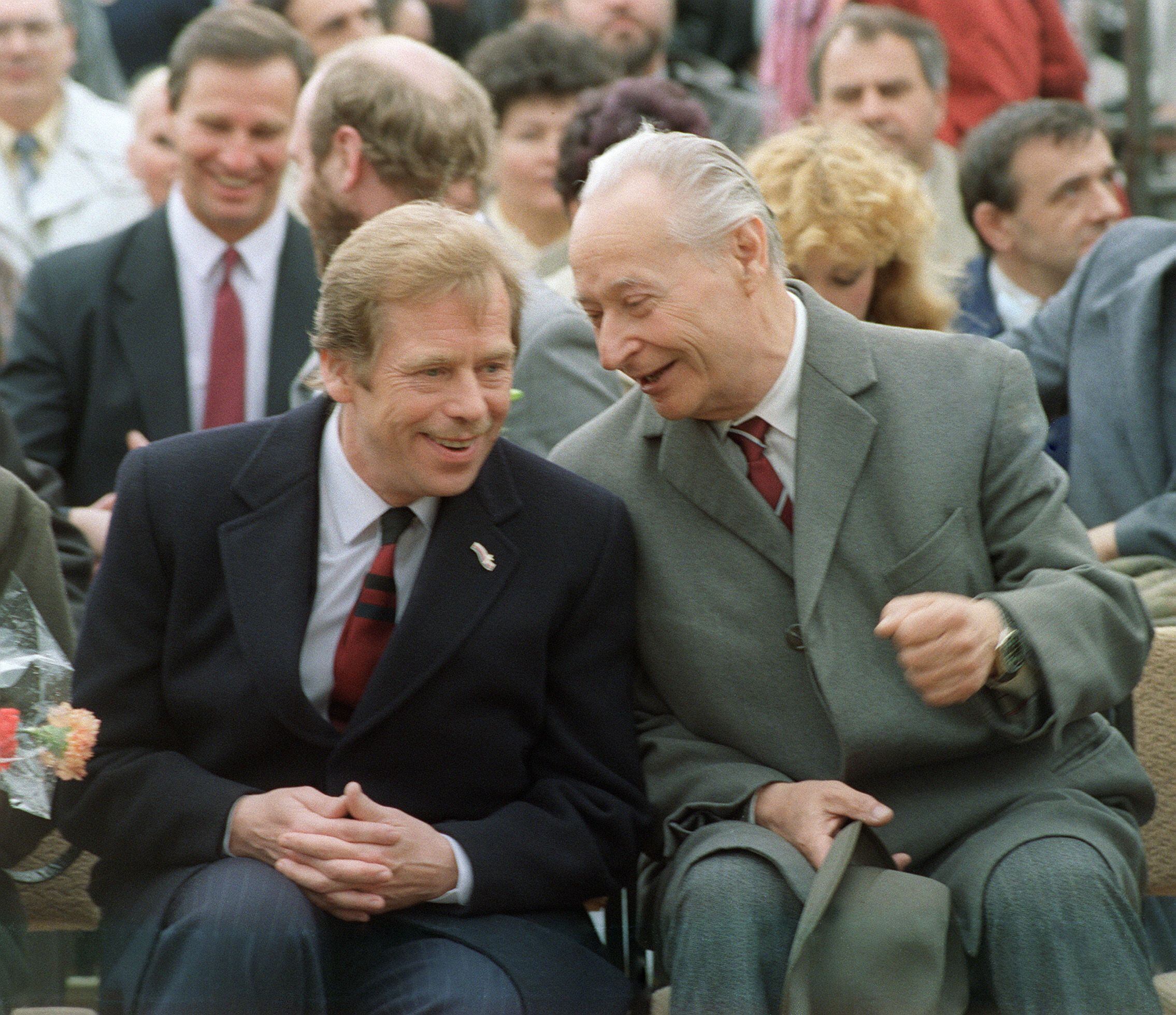
Y pronto aparecieron organizaciones no comunistas como el “K 231″, formada por exprisioneros políticos, y el “Club de los Sin Partido Comprometidos” (KAN), gérmenes de partidos opositores.
“Al verse de repente sin mordaza, los medios empezaron a hacer preguntas y a abordar temas impensables unos meses antes. Eso suscitaba enormes esperanzas en toda la sociedad, unas esperanzas que superaban con creces los objetivos iniciales de Dubcek”, afirma Tuma, quien considera que el nuevo líder del KSC se quedó poco a poco “a remolque” de los acontecimientos.
Entre las crecientes aspiraciones democráticas de los checos y los eslovacos y la hostilidad del líder del Partido Comunista soviético, Leonid Brézhnev, deseoso de seguir controlando a su “vasallo”, Dubcek esperaba que un congreso extraordinario del KSC, previsto para setiembre reforzara su postura.
Animado por los dirigentes dogmáticos de Alemania del Este, Wálter Ulbricht, y de Polonia, Wladyslaw Gomulka, preocupados ante las reformas en Checoslovaquia, Brézhnev optó finalmente por la intervención militar.
La fuerza de los tanques
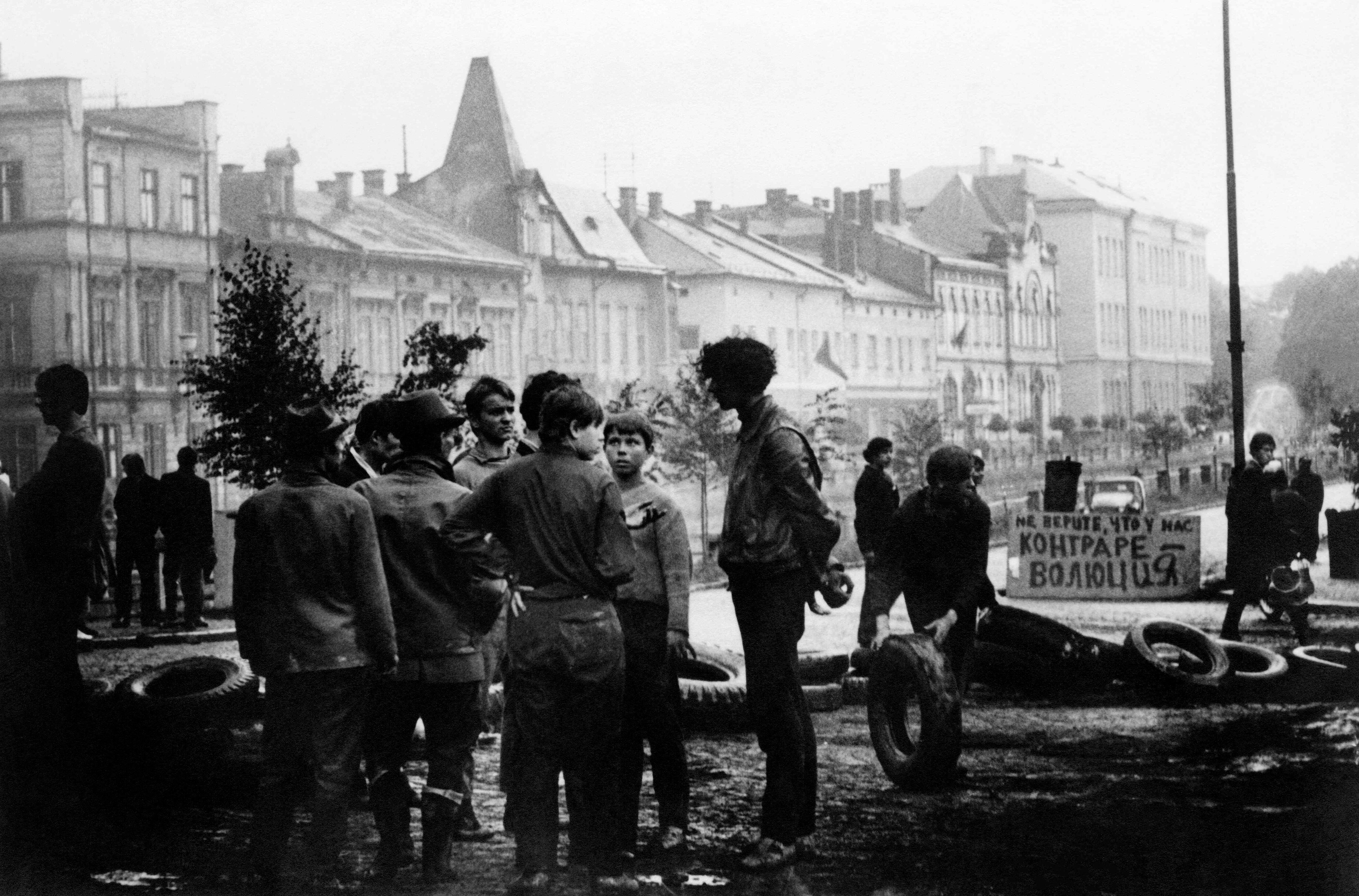
La ocupación de Checoslovaquia, el 21 de agosto de 1968, por tropas soviéticas y de otros cuatro países del pacto de Varsovia (Bulgaria, Hungría, Polonia y Alemania Oriental) causó un centenar de muertos en sus primeros días.
“Me hicieron esto a mí, a mí que he dedicado toda mi vida a la cooperación con la Unión Soviética. Es la mayor tragedia de mi vida”, lamentó Dubcek antes de ser detenido, deportado a Moscú y obligado a firmar un protocolo humillante sobre “la normalización de la situación”.
“En la mañana del 21 de agosto de 1968, llegué a la estación de Zbecno (a 50 km al oeste de Praga). Había muchas personas, la gente gritaba: ‘Los rusos nos ocupan’, y estaba muy sorprendida”, recuerda Jaroslava Sindlerova, quien estudiaba entonces en la escuela superior de Economía en Praga.
“Y yo les decía: ‘¿Por qué os sorprende? Todo iba encaminado hacia esto’. Dubcek era ingenuo. Yo tenía 20 años, lo había entendido y él no”, asegura
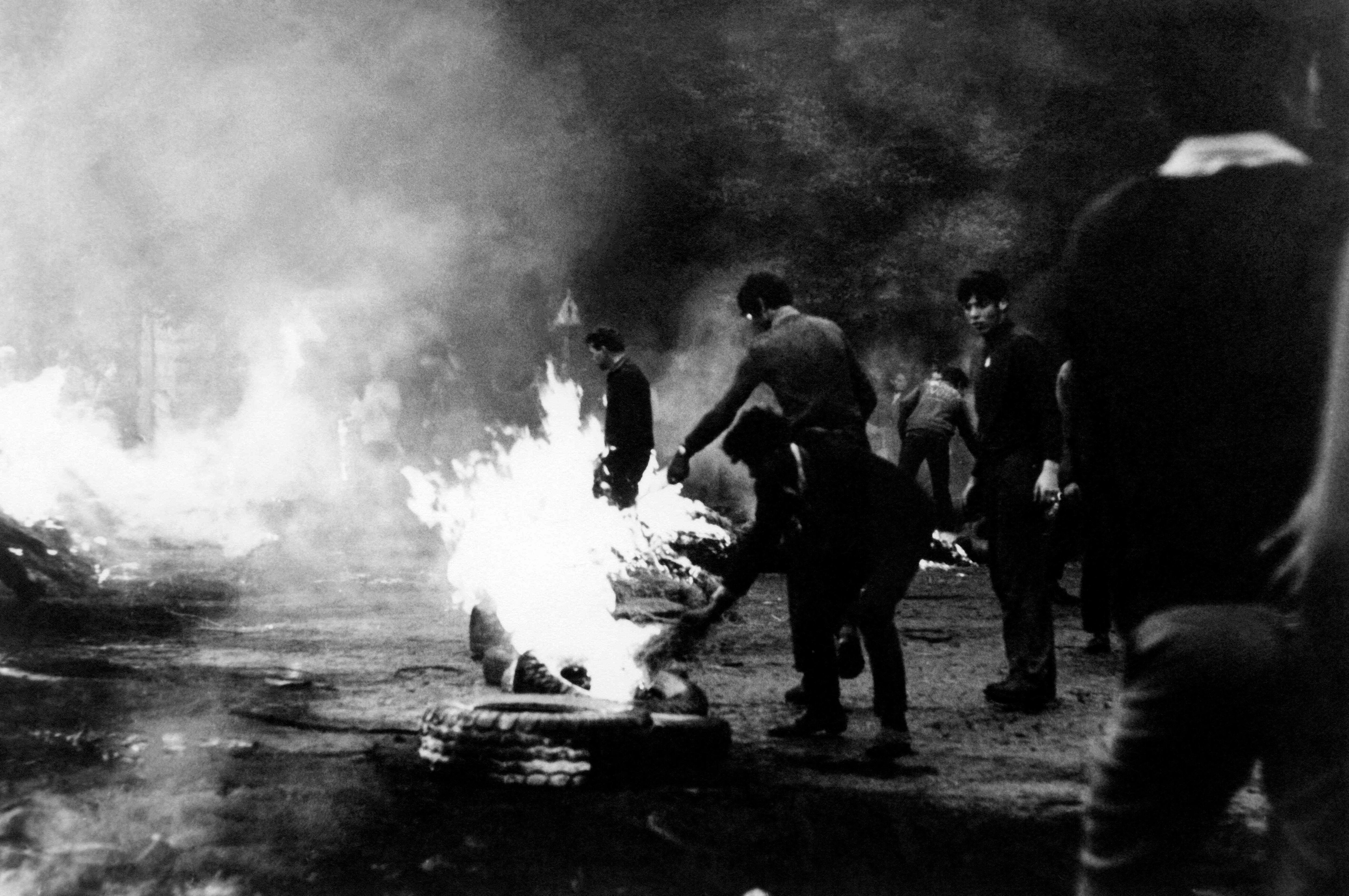
Dubcek fue destituido en abril de 1969 y se le obligó a callar. Su país se resignó, a pesar del sacrificio del estudiante Jan Palach, quien se quemó a lo bonzo con la esperanza de despertar las conciencias.
Hubo que esperar hasta la Revolución de Terciopelo de 1989 para que la democracia regresara a Praga.
Expulsado de su partido y asignado durante 15 años a la administración de los bosques, Dubcek regresó brevemente al escenario político y presidió el Parlamento checoslovaco. Murió el 7 de noviembre de 1992, a los 70 años, tras un accidente de tráfico.